Eski Pano
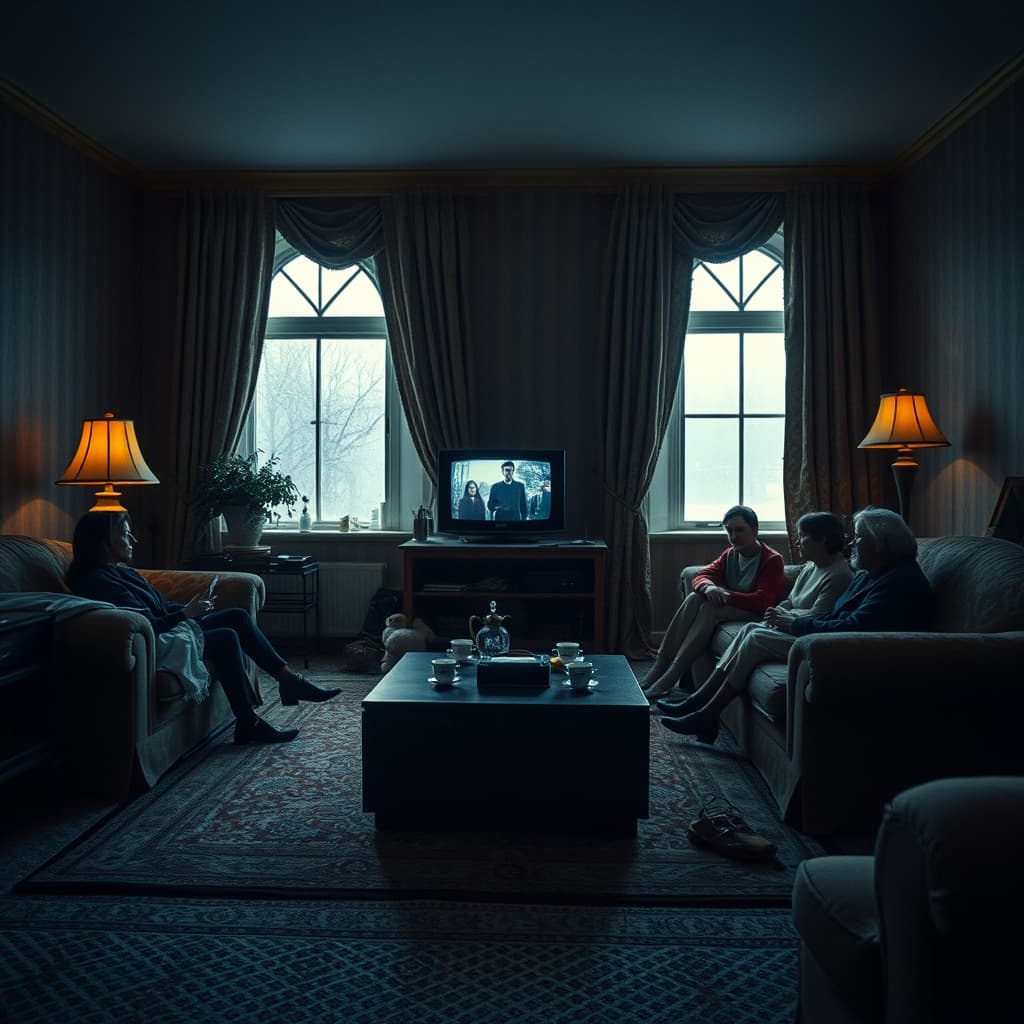
While the cold of stone pavements touched winter’s fogged window from outside, another warmth was formed inside the living room. The video player placed beneath the television stood like a small machine patiently waiting at the center of the evening. The cassette case was opened, the title on the tape was read, someone checked the cables, another tested the batteries in the remote, and children claimed their places on the carpet. Before the film had even begun, a quiet excitement moved through the room. Using a video player was therefore not merely pressing a button; it was a ceremony in itself, calling the family to the same screen, the same time, and the same expectation.
From the perspective of technological heritage, the video player was one of the devices that changed domestic entertainment culture, yet did so slowly and ritually. Being able to watch a film without depending on a broadcast schedule was a major novelty, but nothing was as easy as it is today. The tape had to be rewound, the playback head sometimes cleaned, the picture adjusted when it wavered, and labels checked so that nothing would be recorded over by mistake. These small actions kept the device from becoming invisible and made it part of family preparation. Technology invited people not only to speed, but also to careful attention. The value of the evening grew partly from that preparation.
The habit of renting videotapes or borrowing them from neighbors also tied this ceremony to the neighborhood. Covers standing on the shelves of a side-street shop were examined one by one, people discussed which film could be watched as a family, and sometimes the return time of the tape was calculated carefully. Once brought home, the cassette was placed beside the television where everyone could see it, dinner was eaten a little earlier, tea was brewed, and the living room arrangement changed. Adults adjusted the seats, children pulled blankets over themselves, and the light of the room was lowered. In this way, the video player worked not only as a device, but as a shared promise of evening carried from the neighborhood into the home.
The unforgettable part of this ceremony was the simultaneous presence of silence and excitement. The mechanical sound of the cassette entering the machine, the blue screen, the image trembling for a few seconds, and then the beginning of the film silenced everyone at once. No one looked at a phone, no one escaped to a separate screen, because the only center of that moment was the television in the living room. Even pausing the tape during an interval required a special care. Someone went to the kitchen, someone moved closer to the stove or heater, and someone asked, “Did it rewind?” Small interruptions did not ruin the evening; they made it more shared.
When we remember the video player today, what we miss is not only old films. What we truly miss is the household entering the same rhythm in order to watch a film, technology opening through a preparation that required patience, and the living room turning for a few hours into a room of shared memory. While the cold of stone pavements left fog on the glass, the turning tape inside gathered the family around the same story. That is why using a video player felt like a ceremony: before producing an image, the device activated waiting; before the screen, it activated togetherness. The quiet excitement of the analog age still reminds us how precious domestic time can be.
Why Using a Video Player with the Quiet Excitement of Families Gathered in the Living Room Was a Ceremony in Itself, Passing Along Stone Pavements and Striking Winter's Fogged Glass