Eski Pano
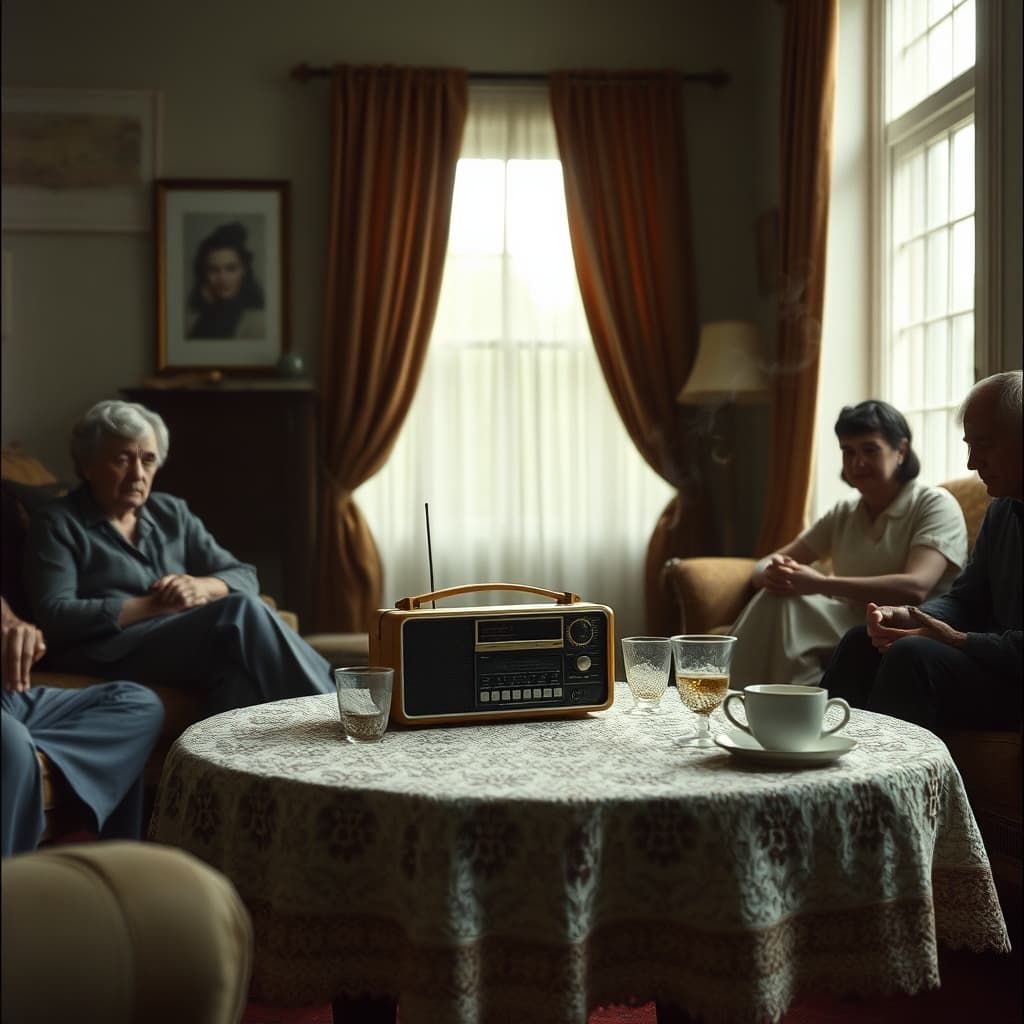
There was a time when, on certain late afternoons, the most attentive corner of the home was the living room. The transistor radio resting beside a lace cover on the table could gather the family around it even before its dial was turned. If the window stood slightly open, the cool breath of spring stirred the curtain, while steam from the tea in the kitchen left a thin warmth in the room. Children came closer asking for the volume to be raised, elders adjusted the antenna so it would not crackle, and everyone continued with daily tasks while also giving an ear to the radio. That quiet excitement was not loud enthusiasm. It was a soft anticipation built through shared attention, giving the domestic hour a weight of its own.
Seen as part of technological heritage, the transistor radio was not only a portable device. It was a turning point that placed sound at the center of home life in a different measure. After the large and heavy world of valve radios, this more practical object created a closeness that could travel from kitchen to balcony, from living room to summer house. Yet what remains unforgettable is less the technical innovation itself than the way it arranged daily life. News hour, radio theater, a song program, or a weekend sports broadcast were invisible signals that could pull family members into the same room. Once the dial of the transistor radio was turned, even conversation inside the house shifted into another rhythm, and everyone felt they were sharing the same voice.
The reason this habit stayed so firmly in memory is that listening became a small ritual inside the home. Thin-waisted tea glasses were lined up on a tray, a knitting piece was set down on someone’s lap for a while, and a person reading the newspaper would stop in the middle of a headline to listen. Children may not have grasped every word they heard, yet they noticed the expression of attention on adult faces. The announcer’s voice, the pauses between songs, the brief crackles, and the fine static heard while searching for the frequency gave the listening moment a material quality unlike today’s seamless digital sound. The sound did not merely pass through the ear; it moved through the room, touching objects and people and creating a shared atmosphere.
Those moments when the cool breath of spring mixed with tea steam formed the most unforgettable hour of this domestic scene. The coolness entering through the window met the warmth rising from the teapot, and the sound of the transistor radio built a delicate bridge between the two. Evening had not yet fully arrived, but the day was no longer whole; exactly at that threshold the radio became the center that gathered the house. A folk song, a football commentary, or a news bulletin heard at those hours remained memorable not only for its content, but for the air accompanying it. Listening together meant not simply being exposed to the same thing at once, but waiting together within the same silence. The force of that quiet excitement came from there.
When one asks why the days of the transistor radio are not forgotten, the answer lies in more than technological nostalgia. What truly matters is the discipline of listening that grew around that device. In those years people did not consume sound; they gathered around it. Radio broadcasts carrying the cool breath of spring in moments mingled with tea steam brought into the house both news of the outer world and the comfort of staying inside. That is why the transistor radio is remembered not merely as an old device, but as the sign of a habit capable of holding a family gently in the same place. Even today, the sound rising from that small box is enough to bring back the light of the living room, the half-open window, and the faint scent of tea all at once.
The Days of the Transistor Radio: Why Was a Habit That Grew with the Quiet Excitement of Families Gathering in the Living Room Not Forgotten, Carrying the Cool Breath of Spring in Moments Mixed with Tea Steam