
Transistor Radio Days and the Quiet Excitement of Families Gathered in the Living Room

🇹🇷 | Transistörlü Radyo Günleri Ve Salonda Toplanan Ailelerin Sessiz Heyecanı

🇵🇹 | Dias do Rádio Transistorizado e a Emoção Silenciosa das Famílias Reunidas na Sala

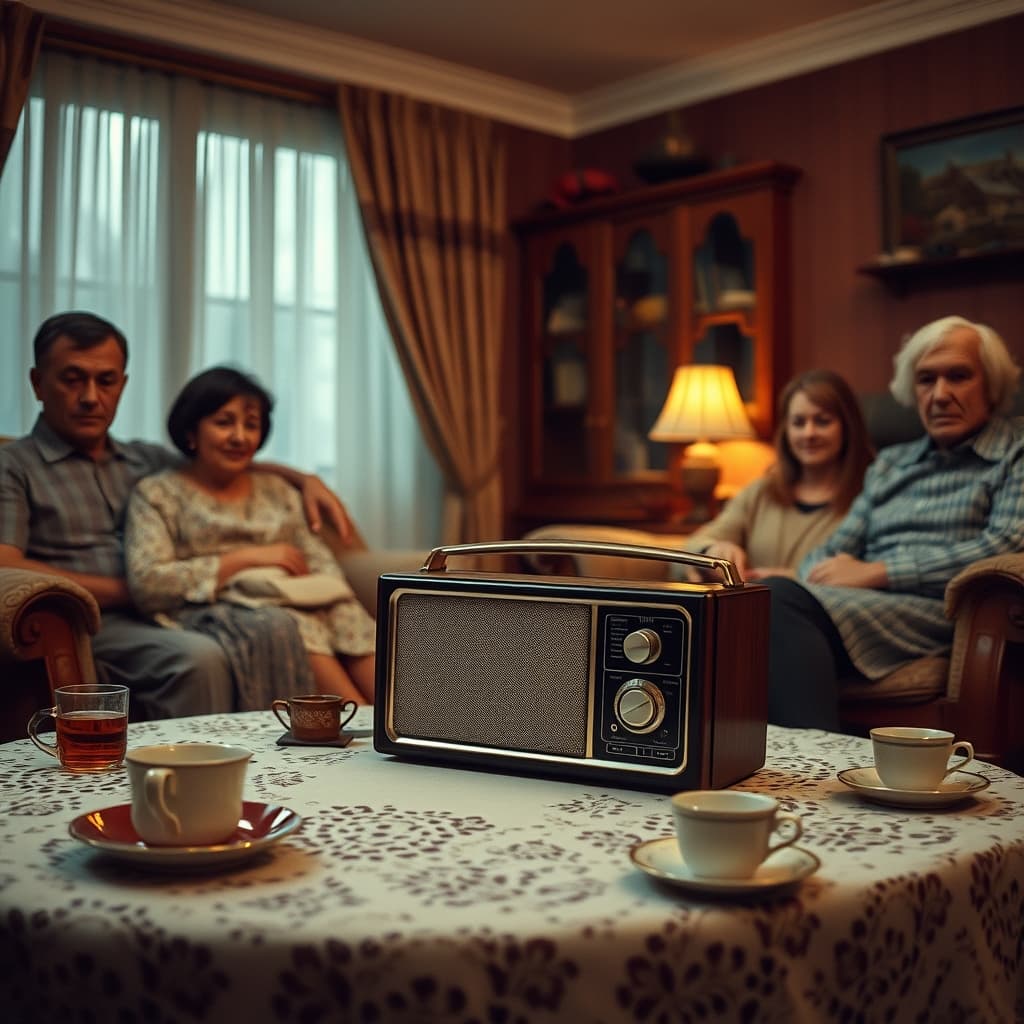
Family gathered around a transistor radio in an old living room

🇬🇧 Why a Small Device Became an Evening Habit That Still Sounds Like Tea Steam and an Old Photograph

Transistor radio days changed the atmosphere of many homes because sound became portable, intimate, and easy to gather around. A radio placed on a table could fill the living room with news, music, a football match, or a familiar voice from far away. In cultural memory, the transistor radio is remembered not only as technology, but as an evening companion.

A Small Object With A Large Presence

The device itself was modest: a handle, a dial, a speaker, sometimes a thin antenna adjusted with care. Yet its presence could organize the room. Someone lowered their voice, someone lifted a tea glass without taking their eyes away, and someone waited for the signal to clear. The soft crackle before the broadcast became part of the listening ritual.

This is why transistor radios are often remembered with domestic details: lace covers, glass cabinets, low tables, and the steam of tea. The technology did not erase the room; it joined it. It gave families a shared point of attention at a time when listening still required patience.

Why The Habit Was Not Forgotten

The habit endured in memory because it connected private life with the wider world. Through one small device, a living room could hear the city, the country, and distant melodies. The transistor radio made the outside world feel near without breaking the warmth of home.

🇹🇷 Küçük Bir Cihaz Nasıl Çay Buharına Ve Eski Bir Fotoğrafa Benzeyen Akşam Alışkanlığına Dönüştü

Transistörlü radyo günleri birçok evin havasını değiştirdi; çünkü ses taşınabilir, yakın ve etrafında toplanılabilir hale geldi. Masaya konan küçük bir radyo salona haber, müzik, maç heyecanı ya da uzaktan gelen tanıdık bir ses doldurabilirdi. Kültürel hafızada transistörlü radyo bu yüzden yalnızca teknoloji değil, akşamların yoldaşı olarak hatırlanır.

Küçük Bir Eşyanın Büyük Varlığı

Cihaz gösterişsizdi: bir kulp, bir ayar düğmesi, bir hoparlör, bazen özenle çevrilen ince bir anten. Buna rağmen odanın düzenini değiştirebilirdi. Biri sesini alçaltır, biri gözünü ayırmadan çay bardağını kaldırır, biri frekansın netleşmesini beklerdi. Yayından önceki hafif cızırtı bile dinleme ritüelinin parçasıydı.

Transistörlü radyoların dantel örtüler, cam vitrinler, alçak sehpalar ve çay buharıyla birlikte hatırlanması bundandır. Teknoloji odayı silmez; odaya katılırdı. Dinlemenin hâlâ sabır istediği zamanlarda ailelere ortak bir dikkat noktası verirdi.

Alışkanlık Neden Unutulmadı

Bu alışkanlık hafızada kaldı çünkü ev içi hayatı daha geniş dünyaya bağladı. Küçük bir cihazla salon, şehri, memleketi ve uzak ezgileri duyabilirdi. Transistörlü radyo dışarıdaki dünyayı yakına getirirken evin sıcaklığını bozmazdı.

🇵🇹 Como um Pequeno Aparelho Virou um Hábito Noturno que Ainda Soa Como Vapor de Chá e Fotografia Antiga

Os dias do rádio transistorizado mudaram a atmosfera de muitas casas porque o som se tornou portátil, íntimo e fácil de reunir. Um rádio sobre a mesa podia encher a sala com notícias, música, uma partida ou uma voz familiar vinda de longe. Na memória cultural, o rádio transistorizado é lembrado não apenas como tecnologia, mas como companheiro da noite.

Um Objeto Pequeno Com Grande Presença

O aparelho era modesto: uma alça, um botão de sintonia, um alto-falante, às vezes uma antena fina ajustada com cuidado. Mesmo assim, sua presença podia organizar a sala. Alguém baixava a voz, alguém levantava o copo de chá sem desviar o olhar, e alguém esperava o sinal ficar claro. O chiado suave antes da transmissão fazia parte do ritual.

Por isso os rádios transistorizados são lembrados com detalhes domésticos: toalhas de renda, cristaleiras, mesas baixas e vapor de chá. A tecnologia não apagava a sala; entrava nela. Dava à família um ponto comum de atenção em um tempo em que ouvir ainda exigia paciência.

Por Que O Hábito Não Foi Esquecido

O hábito permaneceu na memória porque ligava a vida privada ao mundo maior. Por meio de um pequeno aparelho, a sala podia ouvir a cidade, o país e melodias distantes. O rádio transistorizado trazia o mundo de fora para perto sem quebrar o calor da casa.