 Eski Pano
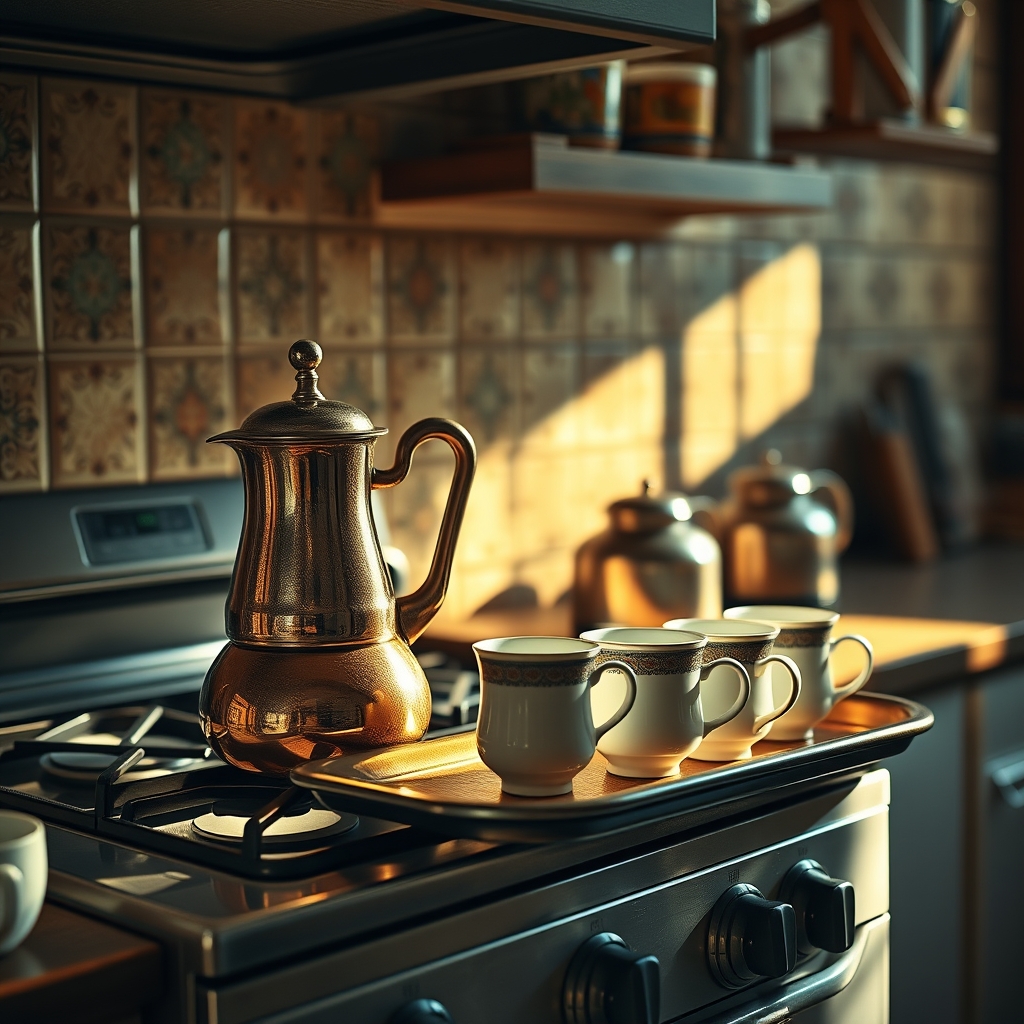
Some objects remain in plain sight for years, yet their real value is understood only after their place in everyday life begins to disappear. The copper coffee pot belongs to that category. In older kitchens, this small vessel shone quietly from the corner of a shelf, but it was never merely a tool for preparing coffee. It carried the rhythm of water set on the stove in the drowsy morning, the quickened movement of the kitchen when guests arrived, and the thin patience of foam rising slowly in the afternoon. The way its handle was held, the household knowledge of when to remove the coffee from the heat, and the faint sound made while pouring into cups turned its use into an invisible culture.
Seen through the lens of object stories, the power of the copper pot lies precisely in its ordinariness. Objects used every day seldom attract as much attention as ceremonial items, yet they are often what truly shape life. The way copper conducts heat evenly, the cool metallic feel it leaves in the hand, the dullness that appears on its surface over time, and the care required by its tinned interior made it both practical and demanding. This created a quiet relationship between object and user. The person using it was not only making coffee, but learning the temperament of the vessel itself. It was known which pot foamed more quickly, which one had a slightly loosened handle, and which was reserved for guests.
Part of the reason it draws interest again today is that sense of character. Modern kitchens may offer many tools that are faster, more standardized, and easier to manage. Yet the copper coffee pot offers not perfection, but contact. Setting it on the stove, holding the handle carefully, watching the foam rise at the edge, and removing it at the exact moment before overflow draws the user into the process. For that reason, today’s renewed attention is not merely decorative nostalgia. People are also trying to reclaim a vanishing kitchen attentiveness, the dignity of slow preparation, and the aesthetic value gathered inside daily use.
Everyday details make this return more meaningful. In older homes, coffee often created a brief quiet of preparation in the kitchen before it ever reached the sitting room. It was known how much sugar belonged in each cup, in what order the cups should be placed on the tray, and whether water or Turkish delight would accompany them. The relationship of copper to flame offered not only technical efficiency, but visual pleasure. The slightly darkened base of the pot, the way it regained brightness when polished, and the fact that it could change hands for years while keeping its form made it more than a utensil. It became part of domestic care, presentation culture, and a rhythm people wished to remember.
Another reason for its renewed appeal is the meeting point between contemporary aesthetic search and older cultures of use. Today many people want not only efficiency in the kitchen, but objects with stories. The copper coffee pot stands out exactly there, because it contains material memory, craftsmanship, and the culture of conversation built around a hot drink. A pot inherited from a grandfather, found in an antique shop, or newly produced in a traditional form earns its place in contemporary homes not only to be used, but to remind people of a certain pace of living. The unseen trace left by the object is hidden in that power of recall.
In the end, the trace the copper coffee pot left unseen within daily use is the strongest reason it attracts renewed interest today. What is remembered is not simply well-made coffee. The kitchen quiet before serving, the concentration at the stove, the arrangement of cups on a tray, and the surface of copper carrying light in a softened way all belong to this memory. If the pot is returning today, it is partly because it recalls a sense of close contact that modern life has thinned out. It remains a small object, yet it holds a remarkable ability to describe the character of a home.
The Copper Coffee Pot and the Trace It Left Unseen Within Daily Use: Why Is It Drawing Interest Again Today?
🇹🇷 Bakır Kahve Cezvesi Ve Gündelik Kullanımın İçinde Görünmeden Bıraktığı İz: Neden Bugün Yeniden İlgi Görüyor
🇵🇹 O Bule de Café de Cobre e a Marca que Deixou Sem Ser Notada no Uso Cotidiano: Por que Desperta Interesse Novamente Hoje?
🇬🇧 The Remembered Story of the Copper Coffee Pot Quietly Shining in the Corner of the Kitchen
🇹🇷 Mutfak Köşesinde Sessizce Parlayan Bakır Cezvenin Yeniden Hatırlanan Hikâyesi
Bazı eşyalar yıllarca göz önünde durur ama gerçek kıymetleri, gündelik hayatın içindeki yerleri kaybolduktan sonra anlaşılır. Bakır kahve cezvesi de böyle bir nesnedir. Eski mutfaklarda rafın bir köşesinde sessizce parlayan bu küçük kap, yalnız kahve pişirmeye yarayan bir araç değildi. Sabah mahmurluğunda ilk ocağa konan suyun ritmini, misafir gelince mutfakta hızlanan hareketi ve öğleden sonra ocak üstünde ağır ağır kabaran köpüğün ince sabrını taşıyordu. Cezvenin sapını tutuş biçimi, kahvenin ateşten ne zaman alınacağına dair ev içi bilgi ve fincanlara dökülürken çıkan hafif ses, nesnenin kullanımını görünmez bir kültüre dönüştürüyordu.
Obje Hikayeleri açısından bakıldığında bakır cezvenin iz bırakma gücü, tam da gündelikliğinin içinden gelir. Her gün kullanılan nesneler çoğu zaman tören eşyaları kadar dikkat çekmez; ama hayatı asıl onlar biçimlendirir. Bakırın ısıyı dengeli taşıması, elde bıraktığı serin metal hissi, zamanla yüzeyinde oluşan matlık ve kalaylı iç kısmın özen istemesi, cezveyi hem işlevsel hem de bakım gerektiren bir mutfak arkadaşı yapıyordu. Bu, nesne ile insan arasında sessiz bir ilişki kuruyordu. Kullanan kişi sadece kahve hazırlamıyor, aynı zamanda nesnenin karakterini de tanıyordu. Hangi cezvenin daha hızlı köpürttüğü, hangisinin sapının biraz gevşediği, hangisinin misafir için ayrıldığı biliniyordu.
Bugün yeniden ilgi görmesinin nedeni biraz da bu karakter duygusudur. Modern mutfakta birçok araç daha hızlı, daha standart ve daha zahmetsiz sonuçlar veriyor olabilir. Ama bakır cezve, kusursuzluktan çok temas hissi sunar. Onu ocağa koymak, kulpunu dikkatle tutmak, köpüğün kenardan yükselişini izlemek ve taşmadan önce tam zamanında almak, kullanıcıyı sürecin içine çeker. Bu yüzden günümüzde cezveye dönen ilgi yalnız nostaljik bir dekor merakı değildir. İnsanlar biraz da hızla kaybolan mutfak dikkatini, yavaş hazırlığın haysiyetini ve gündelik kullanımın içinde biriken estetik değeri geri çağırmak istiyor.
Gündelik ayrıntılar bu geri dönüşü daha anlamlı kılar. Eski evlerde kahve çoğu zaman salona ulaşmadan önce mutfakta küçük bir hazırlık sessizliği yaratırdı. Şekerin kime nasıl konacağı, fincanların tepsiye hangi sırayla yerleşeceği, yanında lokum mu yoksa su mu sunulacağı bilinir, cezvenin ocağa oturuşu buna eşlik ederdi. Bakırın ateşle kurduğu ilişki burada yalnız teknik değil, görsel bir zevk de sunardı. Cezvenin hafifçe kararan tabanı, parlatıldığında yeniden ışık alması ve yıllar boyunca el değiştirse bile formunu koruması, onu sadece mutfak gereci olmaktan çıkarır. O artık aynı zamanda ev içi özenin, sunum kültürünün ve hatırlanmak istenen bir ritmin parçasıdır.
Yeniden ilgi görmesinin bir başka nedeni de çağdaş estetik arayışlarla eski kullanım kültürünün kesişmesidir. Bugün insanlar mutfakta yalnız verimlilik değil, hikâyesi olan nesneler de arıyor. Bakır cezve tam burada öne çıkıyor. Çünkü onda hem malzeme hafızası hem el işçiliği hem de sıcak içecek etrafında kurulan sohbet kültürü birlikte bulunuyor. Bir dededen kalan cezve, antikacıdan alınan küçük bir parça ya da yeniden üretilmiş geleneksel bir model, bugünün evlerinde yalnız kullanılmak için değil, bir yaşam temposunu hatırlatmak için de yer buluyor. Nesnenin bıraktığı görünmez iz, işte bu hatırlatıcı güçte saklıdır.
Sonuçta bakır kahve cezvesinin gündelik kullanımın içinde görünmeden bıraktığı iz, bugün yeniden ilgi görmesini sağlayan en güçlü nedendir. Hatırlanan şey sadece iyi pişmiş kahve değildir. Mutfakta bekleyen sessizlik, ocak başında oluşan dikkat, fincanların tepsiye dizilişi ve bakırın ışığı yumuşatarak taşıyan yüzeyi de bu hafızanın parçalarıdır. Cezve bugün geri dönüyorsa, biraz da modern hayatın kaybettiği yakın temas duygusunu geri çağırdığı içindir. Küçük bir obje olarak kalır, ama bir evin karakterini anlatma gücü büyük ölçüde onun elinde toplanır.
🇵🇹 A História Relembrada do Bule de Cobre que Brilhava em Silêncio no Canto da Cozinha
Alguns objetos ficam anos diante dos olhos, mas seu verdadeiro valor só é entendido quando o lugar que ocupavam no cotidiano começa a desaparecer. O bule de café de cobre pertence a essa categoria. Nas cozinhas antigas, ele brilhava discretamente no canto de uma prateleira, mas nunca foi apenas um utensílio para preparar café. Carregava o ritmo da água levada ao fogo nas manhãs sonolentas, o movimento acelerado da cozinha quando chegavam visitas e a paciência fina da espuma subindo devagar ao longo da tarde. O jeito de segurar o cabo, o saber doméstico sobre o momento exato de tirar do fogo e o som leve ao servir nas xícaras transformavam seu uso numa cultura quase invisível.
Visto pelo ângulo das histórias dos objetos, o poder do bule de cobre vem justamente de sua presença cotidiana. Objetos usados todos os dias raramente chamam tanta atenção quanto peças cerimoniais, mas são eles que de fato moldam a vida. A maneira como o cobre distribui o calor, a sensação metálica fria que deixa na mão, o aspecto fosco que ganha com o tempo e o cuidado exigido pelo interior estanhado faziam dele um companheiro de cozinha funcional e, ao mesmo tempo, delicado. Isso criava uma relação silenciosa entre a pessoa e o objeto. Quem o usava não preparava apenas café, mas conhecia também o temperamento da peça. Sabia-se qual bule fazia mais espuma, qual tinha o cabo um pouco solto e qual era reservado para receber visitas.
Parte do motivo de ele voltar a despertar interesse hoje está nessa sensação de caráter. As cozinhas modernas podem oferecer instrumentos mais rápidos, mais padronizados e mais fáceis. Mas o bule de cobre oferece menos perfeição e mais contato. Colocá-lo no fogo, segurar o cabo com cuidado, observar a espuma subindo pela borda e retirá-lo no instante exato antes de transbordar faz a pessoa entrar no processo. Por isso, o interesse atual não é só uma nostalgia decorativa. Há também o desejo de recuperar uma atenção culinária que se perde, a dignidade de um preparo lento e o valor estético acumulado no uso diário.
Os detalhes do cotidiano tornam esse retorno mais significativo. Nas casas antigas, o café criava uma breve quietude de preparação na cozinha antes de chegar à sala. Já se sabia quanto açúcar cada pessoa queria, em que ordem as xícaras seriam colocadas na bandeja e se junto iria água ou um doce. A relação do cobre com o fogo oferecia não apenas eficiência técnica, mas também prazer visual. O fundo levemente escurecido do bule, o brilho que reaparecia quando era polido e a capacidade de conservar sua forma por muitos anos faziam dele algo maior do que um simples utensílio. Tornava-se parte do cuidado doméstico, da cultura de servir e de um ritmo que se desejava lembrar.
Outra razão para seu novo interesse está no encontro entre a busca estética contemporânea e a antiga cultura de uso. Hoje muita gente quer na cozinha não só eficiência, mas objetos com história. O bule de cobre se destaca exatamente aí, porque reúne memória material, trabalho artesanal e a cultura de conversa criada em torno de uma bebida quente. Uma peça herdada do avô, comprada num antiquário ou reproduzida segundo um modelo tradicional ganha lugar nas casas de hoje não apenas para uso, mas para lembrar um certo compasso de vida. A marca invisível deixada pelo objeto está guardada nessa capacidade de evocação.
No fim, a marca que o bule de café de cobre deixou sem ser notada no uso cotidiano é a razão mais forte para voltar a interessar hoje. O que se recorda não é apenas o café bem preparado. Também pertencem a essa memória o silêncio da cozinha antes de servir, a atenção diante do fogão, a arrumação das xícaras na bandeja e a superfície do cobre suavizando a luz. Se o bule retorna agora, é em parte porque chama de volta uma sensação de contato próximo que a vida moderna enfraqueceu. Continua sendo um objeto pequeno, mas concentra uma grande capacidade de contar o caráter de uma casa.