 Eski Pano
Some tastes do not remain only on the tongue. They also carry the warmth of the room, the fullness of the table, and the lowered voices of evening. Chestnuts roasted over charcoal belong to that kind of taste. On an autumn or winter evening, the pan placed near the stove, the shells beginning to split, and the smoky scent spreading from kitchen to sitting room prepared the emotional ground of the family table even before serving began. Children waited impatiently for the first crackling sound, elders slowed the hurry by saying the chestnuts should stay a little longer, and when they finally arrived on the table they seemed valuable not only because they would be eaten, but because they had been awaited together. That is why what recalls childhood in the first bite is not only flavor, but the domestic scene formed around it.
Seen from the perspective of taste memory, the unforgotten flavor of chestnuts is powerful because the mode of cooking contains the family arrangement within it. Charcoal fire here was not merely a technique. It shaped the character of the taste itself. The chestnut slowly turning over heat, the faint smoke escaping from the shell, and the way it had to be rolled from palm to palm so it would not burn the fingers turned eating into a small ritual. On crowded family tables, this ritual often appeared after the meal or in the middle of a long evening conversation. While tea was still brewing, bread crumbs remained on the table, and children hovered between drowsiness and appetite, chestnuts added a new layer of warmth. That warmth was not only physical. It thickened intimacy inside the house.
Part of the reason the first bite still recalls childhood today lies in the way chestnuts were shared. They were rarely served in neat individual portions. They were placed in the middle. Small discussions began about who peeled them fastest, which chestnut had roasted best, or which one had taken in the richest trace of smoke. Elders peeled some for children so their hands would not burn, and certain chestnuts were split in half and shared. These gestures created an emotional frame more lasting than flavor itself. A child’s memory records taste not as a recipe, but as warmth passed from hand to hand, sound around the table, and a sense of safety. The childhood that chestnuts call back comes from exactly such a scene.
Details of everyday life make the unforgotten taste more concrete. The pan gathering a little soot on the stove, cracked shells left near the edge of the table, the last chestnuts kept warm in a kitchen cloth, the share a grandfather slowly peeled and offered to a grandchild, and the indoor warmth softening the face after the cold outside all belong to the same memory of taste. The slightly singed scent created by charcoal settled not only on the food, but on the whole evening. Whatever had been discussed in the house, the tone of the table shifted when the chestnuts arrived. It became softer, more inward, and somehow more childlike. That may be why even today a chestnut eaten from a modern oven or on the street can suddenly open the door to an older family table.
The effect of crowded family tables on this taste should not be underestimated either. Some flavors find their real meaning not when eaten alone, but when surrounded by many voices. Chestnut is a patient food made for sharing. Peeling takes time, roasting requires attention, and dividing it naturally creates closeness. In older homes, the table was never only a place to eat. It gathered family roles, jokes, repeated phrases, and seasonal habits into one place. Chestnuts roasted over charcoal were one of the small yet powerful signs of that gathering. The moment they appeared, they could call up season, family, and childhood all at once.
In the end, if chestnuts on charcoal fire and the unforgotten taste of crowded family tables still recall childhood in the first bite today, it is not because the flavor is powerful on its own. It is because that flavor was carved into memory together with a family atmosphere. What is remembered is not only the texture or smell of the chestnut. The waiting beside the stove, the warm pieces divided and shared, the crowded table, and the slowing sound of the evening belong to the memory as well. Taste memory often works exactly like this: a single bite brings back a table from years ago with all its details intact.
Chestnuts on Charcoal Fire and the Unforgotten Taste of Crowded Family Tables: Why Does It Still Recall Childhood Even in the First Bite Today?
🇹🇷 Kömür Ateşinde Kestane Ve Kalabalık Aile Sofralarının Unutulmayan Tadı: Neden Bugün Bile İlk Lokmada Çocukluğu Hatırlatıyor
🇵🇹 Castanhas no Fogo de Carvão e o Sabor Inesquecível das Mesas de Família Cheias: Por que Ainda Hoje Faz Lembrar a Infância Já na Primeira Mordida?
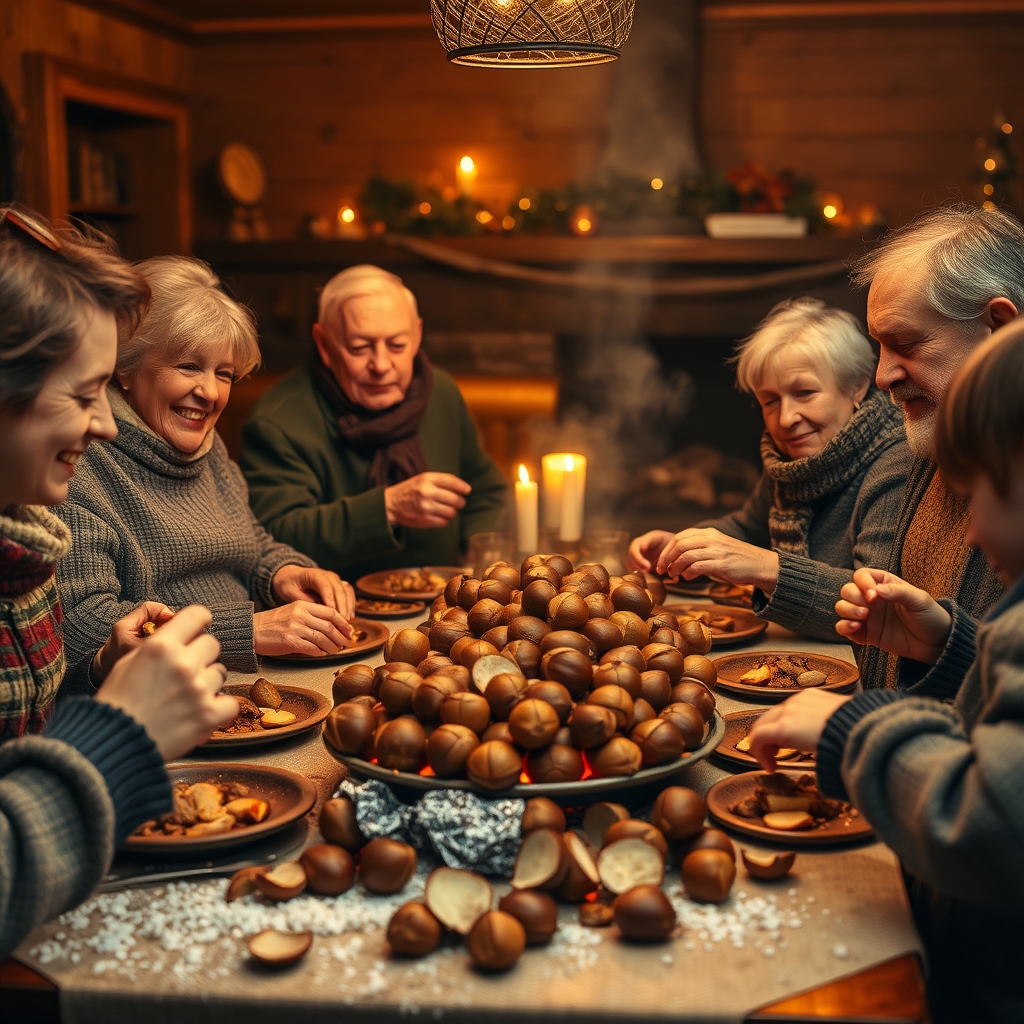
🇬🇧 The Childhood Taste Left by Charcoal-Roasted Chestnuts on Crowded Family Tables
🇹🇷 Kömür Ateşinde Pişen Kestanenin Kalabalık Sofralarda Bıraktığı Çocukluk Tadı
Bazı tatlar yalnız damakta kalmaz; odanın ısısını, masanın kalabalığını ve sesi alçalan akşamları da birlikte taşır. Kömür ateşinde pişen kestane böyle bir tattır. Sonbahar ya da kış akşamında sobanın yanına yaklaştırılan tava, kabuğu hafifçe çatlayan kestaneler ve mutfaktan salona doğru yayılan o tütsülü koku, aile sofrasının henüz başlamadan kurduğu duygusal zemini hazırlar. Çocuklar sabırsızlıkla ilk çatlayan sesi duyar, büyükler “biraz daha dursun” diyerek aceleyi yavaşlatır, masaya getirilen kestaneler yalnız yenilecek bir şey değil, birlikte beklenmiş bir şey olduğu için daha kıymetli görünürdü. Bu yüzden ilk lokmada çocukluğu hatırlatan şey yalnız lezzet değil; o lezzetin etrafında kurulan ev içi sahnedir.
Damak Hafızası açısından düşünüldüğünde kestanenin unutulmayan tadı, pişirme biçimiyle birlikte aile düzenini de içine aldığı için bu kadar güçlüdür. Kömür ateşi burada sıradan bir teknik değil, tadın karakterini belirleyen bir unsur olurdu. Ateşin üstünde yavaş yavaş dönen kestane, kabuğunun içinden çıkan hafif duman ve el yakmasın diye avuç içinde çevrilerek soyulması, yeme eylemini başlı başına bir ritüele dönüştürürdü. Kalabalık aile sofralarında bu ritüel çoğu zaman yemeğin ardından ya da uzun akşam sohbetinin ortasında ortaya çıkardı. Çayın demlendiği, ekmek kırıntılarının hâlâ masada durduğu, çocukların uykuyla iştah arasında gidip geldiği saatlerde kestane yeni bir sıcaklık katardı. O sıcaklık sadece fiziksel değildi; ev içindeki yakınlığı da koyulaştırırdı.
Bugün bile ilk lokmada çocukluğu hatırlatmasının nedeni biraz da paylaşım biçimidir. Kestane çoğu zaman tabak tabak önceden servis edilmez, ortaya bırakılırdı. Kimin daha hızlı soyduğu, hangi kestanenin daha iyi piştiği, hangisinin içine duman kokusunu daha çok aldığı üzerine küçük konuşmalar yapılırdı. Büyükler elleri yansın diye çocukların kabuklarını soyar, bazı kestaneler ikiye bölünerek pay edilirdi. Bu küçük jestler, tattan daha kalıcı bir duygusal çerçeve kurardı. Çocuk hafızası, lezzeti çoğu kez bir yemek tarifi olarak değil; elden ele geçen sıcaklık, masadaki ses ve güven duygusuyla birlikte kaydeder. Kestanenin çağırdığı çocukluk tam da böyle bir sahneden gelir.
Gündelik hayat ayrıntıları o unutulmayan tadı daha da somutlaştırır. Sobanın üstünde hafif islenen tava, masanın kenarına bırakılmış çatlamış kabuklar, mutfak bezine sarılarak sıcak tutulan birkaç son kestane, dedenin yavaşça soyup torununa uzattığı pay ve dışarıdaki soğuktan içeri girince yüzü gevşeten iç mekân sıcaklığı, hepsi aynı damak hafızasının parçalarıdır. Kömür ateşinin verdiği o hafif yanık koku, yalnız yiyeceğe değil, akşamın tamamına sinerdi. Evde konuşulan konu ne olursa olsun, kestane geldiğinde masanın tonu değişir; daha yumuşak, daha içli, daha çocuklu bir hâl alırdı. Belki de bu yüzden bugün modern fırında ya da sokakta yenilen kestane bile, bir an için eski aile sofrasının kapısını aralar.
Kalabalık aile sofralarının bu tat üzerindeki etkisi de küçümsenemez. Çünkü bazı lezzetler tek başına yenildiğinde değil, çevresinde çok ses olduğunda gerçek anlamını bulur. Kestane, birlikte yenmeye uygun sabırlı bir yiyecektir. Soymak zaman ister, ateşte beklemek dikkat ister, paylaşmak ise kendiliğinden bir yakınlık üretir. Eski evlerde sofra sadece karın doyurma yeri değildi; aile içi rollerin, şakaların, tekrar eden cümlelerin ve mevsim alışkanlıklarının toplandığı yerdi. Kömür ateşinde kestane de bu topluluğun küçük ama güçlü işaretlerinden biriydi. Geldiği anda mevsimi, aileyi ve çocukluk hissini aynı anda çağırabiliyordu.
Sonuçta kömür ateşinde kestane ve kalabalık aile sofralarının unutulmayan tadı bugün bile ilk lokmada çocukluğu hatırlatıyorsa, bunun nedeni lezzetin tek başına güçlü olması değil, onun bir aile atmosferiyle birlikte hafızaya kazınmış olmasıdır. Hatırlanan şey sadece kestanenin dokusu ya da kokusu değildir. Sobanın başındaki bekleyiş, pay edilen sıcak parçalar, masadaki kalabalık ve akşamın yavaşlayan sesi de bu hatıranın içindedir. Damak hafızası bazen tam da böyle çalışır: bir lokma, yıllar önceki bir sofrayı bütün ayrıntılarıyla geri getirir.
🇵🇹 O Sabor de Infância Deixado Pelas Castanhas na Brasa das Mesas de Família Cheias
Alguns sabores não ficam apenas na boca. Eles carregam também o calor do cômodo, a mesa cheia e o tom de voz mais baixo das noites. As castanhas assadas no fogo de carvão pertencem a esse tipo de sabor. Numa noite de outono ou inverno, a frigideira aproximada do fogão, as cascas começando a rachar e o cheiro defumado se espalhando da cozinha para a sala preparavam o terreno afetivo da mesa familiar antes mesmo de servir. As crianças esperavam com impaciência o primeiro estalo, os mais velhos desaceleravam a pressa dizendo que era preciso deixar mais um pouco, e quando as castanhas chegavam à mesa pareciam valiosas não apenas porque seriam comidas, mas porque tinham sido esperadas em conjunto. Por isso, o que faz lembrar a infância já na primeira mordida não é só o sabor, mas a cena doméstica formada em torno dele.
Visto pelo ângulo da memória do paladar, o sabor inesquecível da castanha é tão forte porque o modo de preparo já traz dentro de si a organização da família. O fogo de carvão não era apenas uma técnica. Ele definia o caráter do gosto. A castanha girando devagar sobre o calor, a fumaça leve saindo da casca e o gesto de passá-la de uma mão para outra para não queimar os dedos transformavam o ato de comer num pequeno ritual. Nas mesas familiares cheias, esse ritual aparecia muitas vezes depois da refeição ou no meio de uma conversa longa da noite. Enquanto o chá ainda ficava em infusão, migalhas de pão permaneciam na mesa e as crianças oscilavam entre o sono e o apetite, a castanha acrescentava uma nova camada de calor. Esse calor não era só físico. Ele engrossava a intimidade dentro da casa.
Parte da razão pela qual a primeira mordida ainda hoje faz lembrar a infância está na forma de compartilhar. As castanhas raramente eram servidas em porções individuais. Eram colocadas no centro. Começavam pequenas conversas sobre quem descascava mais rápido, qual castanha tinha assado melhor ou qual havia absorvido mais o cheiro da fumaça. Os mais velhos descascavam algumas para as crianças para que elas não queimassem as mãos, e certas castanhas eram partidas ao meio para serem divididas. Esses gestos montavam um quadro afetivo mais duradouro do que o próprio sabor. A memória infantil grava o gosto não como receita, mas como calor passado de mão em mão, som em volta da mesa e sensação de proteção. A infância evocada pela castanha nasce exatamente daí.
Os detalhes cotidianos tornam esse sabor inesquecível ainda mais concreto. A frigideira levemente escurecida sobre o fogão, as cascas quebradas deixadas junto à borda da mesa, as últimas castanhas mantidas quentes num pano de cozinha, a porção que o avô descasca devagar para oferecer ao neto e o calor interno da casa relaxando o rosto depois do frio da rua, tudo isso pertence à mesma memória do paladar. O cheiro levemente tostado dado pelo carvão não ficava apenas na comida, mas se espalhava pela noite inteira. Qualquer que fosse o assunto da conversa, a mesa mudava de tom quando as castanhas chegavam. Ficava mais suave, mais íntima e de algum modo mais infantil. Talvez por isso, ainda hoje, uma castanha assada no forno moderno ou comprada na rua seja capaz de abrir por um instante a porta de uma antiga mesa de família.
O efeito das mesas familiares cheias sobre esse sabor também não deve ser subestimado. Alguns gostos encontram seu verdadeiro sentido não quando são consumidos sozinhos, mas quando estão cercados por muitas vozes. A castanha é um alimento paciente, feito para ser repartido. Descascá-la exige tempo, assá-la exige atenção, e dividi-la produz uma proximidade espontânea. Nas casas antigas, a mesa nunca era apenas um lugar para matar a fome. Ela reunia papéis familiares, brincadeiras, frases repetidas e hábitos de estação. A castanha no fogo de carvão era um dos sinais pequenos, mas poderosos, dessa reunião. No instante em que aparecia, conseguia convocar ao mesmo tempo a estação, a família e a sensação de infância.
No fim, se as castanhas no fogo de carvão e o sabor inesquecível das mesas de família cheias ainda fazem lembrar a infância já na primeira mordida, isso não acontece porque o gosto seja forte sozinho. Acontece porque esse sabor ficou gravado na memória junto com uma atmosfera familiar. O que se recorda não é apenas a textura ou o cheiro da castanha. A espera junto ao fogão, os pedaços quentes repartidos, a mesa cheia e o som desacelerado da noite também fazem parte dessa lembrança. A memória do paladar às vezes funciona exatamente assim: uma mordida traz de volta, com todos os detalhes, uma mesa de muitos anos atrás.