 Eski Pano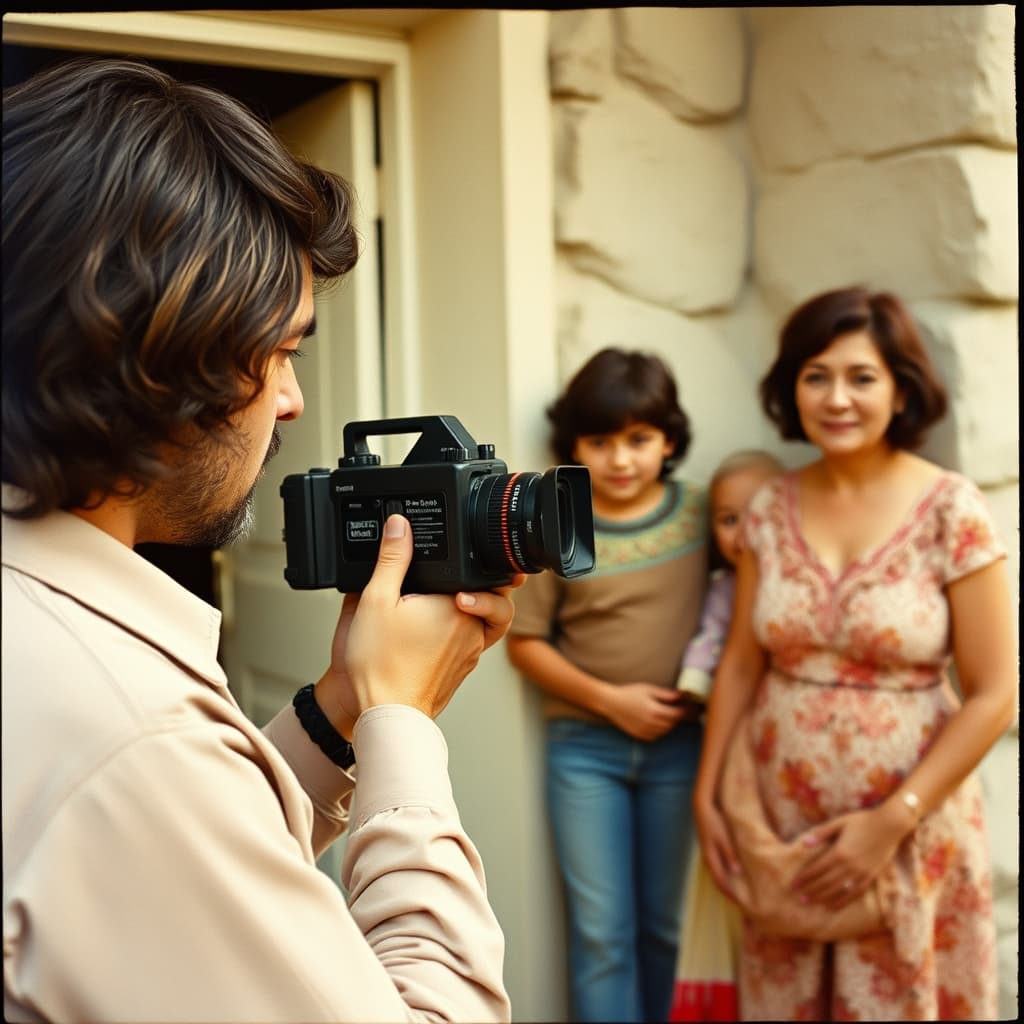
The family scene began before the Super 8 camera’s motor. Someone raised the camera, looked through it, lowered it again and asked a relative to wait. A child might stop mid-step; another person moved into the frame. Those unrecorded seconds shaped what the film would eventually show, yet they often survive only in the recollections of people standing beside the camera.
This preparation helps explain why filming could feel ceremonial. The camera made a visible request for attention, and the people around it had to decide how to respond. Super 8 cameras differed in controls, lenses and film compatibility, so the exact operating sequence needs a model-specific account. Turning a radio or television antenna did not bring the camera’s exposed film into focus; that belonged to another device and another domestic habit.
Finding a Position Changed the Event
The filmmaker chose where to stand before choosing when to record. A doorway, table or gathering looked different from another height and distance. Moving closer could exclude someone; stepping back could bring an unwanted object into view. These decisions were small, but they determined who would later appear to have been present.
Light influenced the position too. People might be asked to turn toward a window or move away from a bright background. This could improve visibility while changing the behaviour being remembered. A home movie therefore records an event and the response to being filmed, often in the same few seconds.
Waiting Was Easier for Some People Than Others
A request to hold still or repeat a movement could be playful, tiring or unwelcome. Young children, people preparing food and guests in a hurry had different reasons not to pause. An apparently cheerful group should not be read as proof that everyone enjoyed the filming process equally.
The operator also waited. A face might turn away, a passer-by cross the view or a conversation continue without a suitable opening. The decision to press the trigger was a judgement about the scene, not merely a technical action. Describing that judgement gives the filmmaker a role without inventing intentions that no source confirms.
The Trigger Divided Preparing From Spending Film
Recording used a finite length of film. That limit could encourage short takes and make hesitation visible to those watching the camera. A person might rehearse a movement without recording, then ask for it again when ready. The repeated action in the surviving reel can therefore look spontaneous while having been arranged.
A reel cannot show everything that preceded its first frame. A processing envelope, family note or account from a participant may help explain preparation, but should remain linked as a separate source. Do not add an imagined countdown or quotation simply because it would make the scene more appealing.
The Camera Could Leave Someone Outside the Story
The person filming was often absent from the picture. A relative who stayed beyond the frame might have held a coat, settled a child or kept the path clear. Their work supported the scene without becoming visible in it. Asking who stood beside or behind the camera can restore these practical contributions.
This also matters for privacy. Preparing a family image did not necessarily include agreeing to later public circulation. When footage is shared, living participants should have a say in how they are identified and which moments are shown. An intimate household ceremony changes context when it becomes an online record.
Keep the Preparation Beside the Reel
Useful documentation includes the camera where known, the operator, the setting, the approximate occasion and accounts of how filming was organised. Differences between witnesses can remain unresolved. A memory of one repeated entrance might belong to another reel or another year, so uncertainty should be visible.
The ritual of Super 8 was partly made in time the camera never captured. People assembled, waited, shifted and consented or resisted before the motor began. Preserving that preparation lets a short family film reveal more than its moving faces: it reveals the small negotiation through which an ordinary moment was chosen to become a recorded one.