 Eski Pano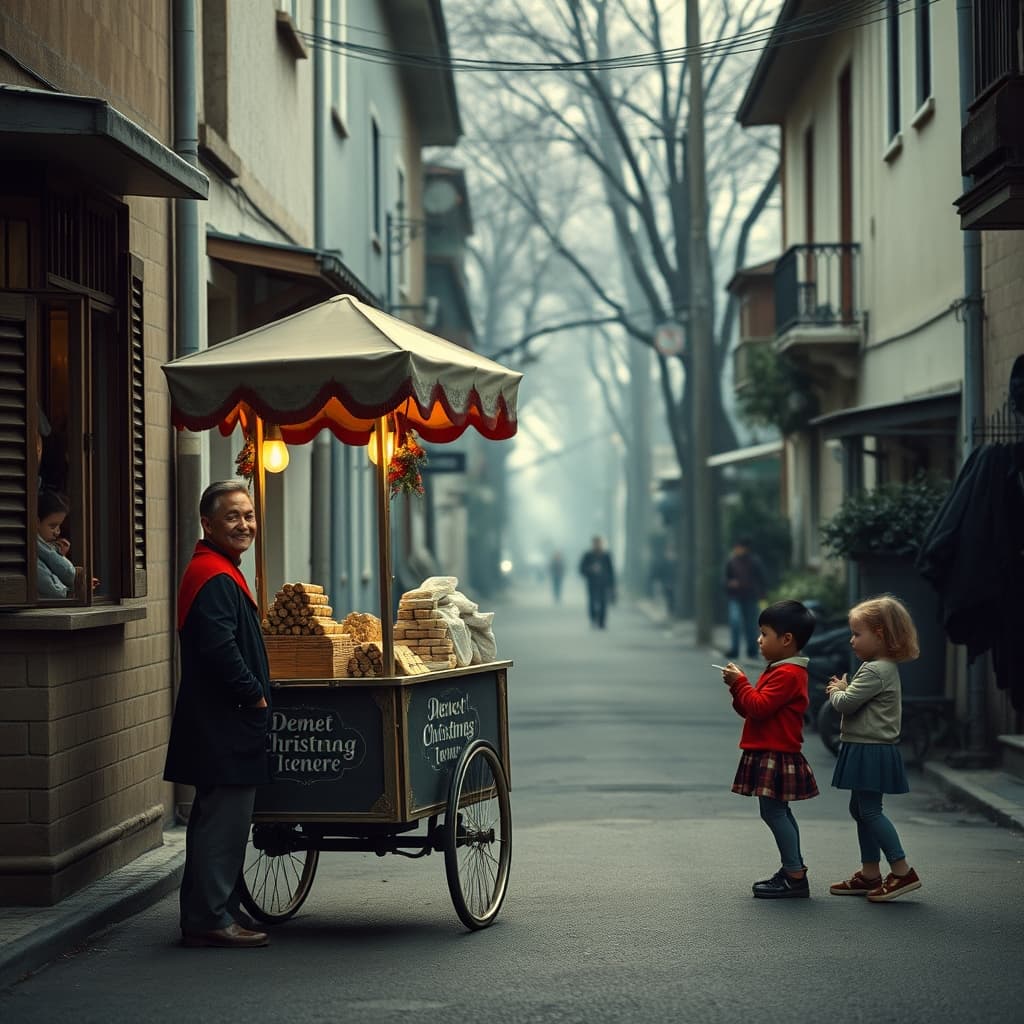
On a quiet holiday afternoon, a street vendor’s call could travel farther than footsteps. The words stretched to fit breath and route, identifying fruit, vegetables, yoghurt, household goods, repairs, or another service before the cart appeared. Residents listened from windows and doorways, deciding whether to go down. Children recognised the melody even when they did not understand every word. The sound gave temporary shape to a street resting from its usual weekday rhythm.
Street vending covered many occupations, vehicles, and legal conditions. Sellers carried baskets, pushed carts, used bicycles, vans, or shoulder poles according to product, place, and period. Some followed reliable weekly routes; others responded to markets, harvests, festivals, or enforcement. One cheerful memory should not be used to describe all vendors or erase licensing, weather, police pressure, competition, and physical exhaustion.
Trust Grew from Predictability
Residents learned approximately when a familiar seller arrived, how produce was selected, whether scales appeared fair, and how complaints were handled. The vendor learned which household wanted a small quantity, needed help carrying goods upstairs, or paid later. Repeated exchange made uncertainty manageable. Trust was earned through accurate weight, consistent quality, and returning after a problem, not through voice alone.
Informal credit and doorstep sales also carried risk. Prices could be misunderstood, debt remembered differently, or vulnerable customers pressured. A familiar route did not remove the need for transparent measures and respectful choice. Children sent with money needed clear instructions and should not have been drawn into adult disputes.
The Call Was Working Technology
A vendor shaped volume, rhythm, vowels, and pauses so a message survived distance and street noise without electronic amplification. Buildings reflected sound; hills, traffic, wind, and open windows changed it. Some calls became locally distinctive, but exact wording should be transcribed from recordings or several witnesses. Memory easily replaces unfamiliar words with later versions.
The voice was also labor. Repetition strained breath and throat while the seller walked, lifted, weighed, counted change, and protected perishable goods. Romantic accounts often celebrate sound while overlooking early purchasing, unsold stock, storage, food safety, and the journey home. Recording the working day gives the call its proper economic context.
A Sound Archive Needs Consent and Detail
Historic recordings should note date, route, product, language, equipment, distance, and recording conditions. Living vendors should consent to recording and publication. Photographs can document cart, containers, scale, clothing, and street relation, but should avoid turning workers into anonymous scenery. Business names and personal histories deserve accurate attribution.
The call nourished a sense of security because it made a known person and service periodically available. It did not prove that the street was free of conflict or danger. Its value lies in a repeated acoustic agreement: the seller announced presence, residents chose whether to respond, and trust accumulated through thousands of modest transactions. Preserving that pattern keeps the neighborhood’s soundscape connected to labor, regulation, and mutual accountability. Comparing several residents’ recollections can map where the call was audible and where the vendor stopped. That acoustic route often differs from a modern street map because courtyards, slopes, walls, and traffic altered how sound travelled.