
🇹🇷 Türkçe | Kaşığın Ucunda Kalan Hafıza: Eski Usul Peltenin Sofra Ritüellerini Geri Çağıran Gücü
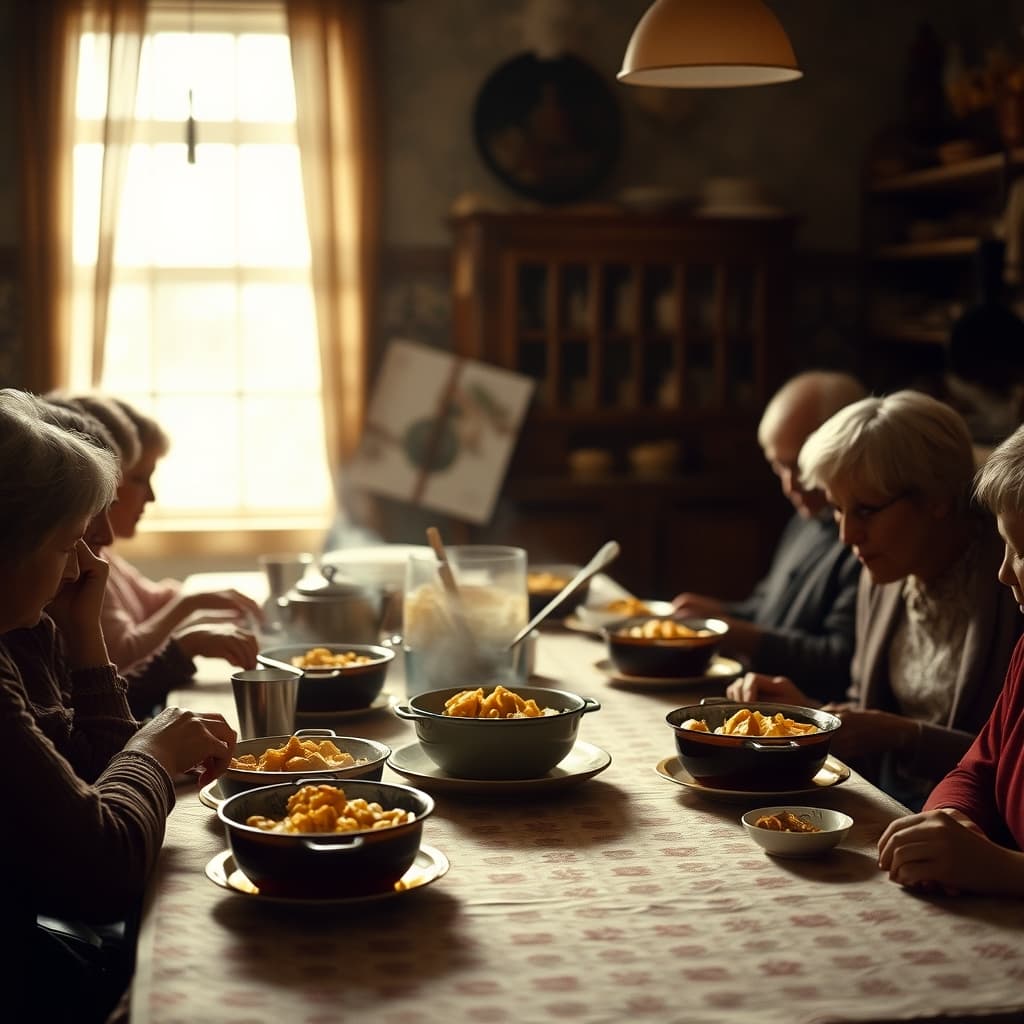
Bazı tatlar yalnız damakta kalmaz; evin sesini, mutfağın düzenini ve sofradaki ilişki biçimini de saklar. Eski usul pelte tam böyle bir tat. Tencerede yavaşça koyulaşan nişasta kokusu, tahta kaşıkla durmadan çevrilen karışımın ritmi, servis kâselerinin pencere önünde soğumaya bırakıldığı sabır dolu bekleyiş… Bunlar bir tatlı tarifinin adımları olmaktan çok, kalabalık aile hayatının gündelik koreografisiydi.
Damak Hafızası açısından pelte, ekonomik ve yaratıcı mutfak kültürünün güçlü bir örneğini sunar. Az malzemeyle çok kişiyi doyurabilen, mevsime göre üzüm suyu, vişne, limon ya da nar aromasıyla çeşitlenen bu tatlı; ev içi üretimde esneklik ve ölçü bilgisini bir araya getirirdi. Tarif çoğu zaman gramla değil, “bir avuç”, “bir bardaktan biraz eksik”, “kaşıktan ağır akacak kıvam” gibi deneyim cümleleriyle aktarılırdı. Böylece bilgi yalnız defterde değil, el alışkanlığında yaşardı.
Kalabalık aile sofralarında peltenin gelişi, yemeğin bittiğini değil sohbetin uzayacağını haber verirdi. Büyükler çayın yanına küçük kâse ister, çocuklar üstüne tarçın dökülüp dökülmeyeceğini merak ederdi. Tatlının serin dokusu, uzun yemek sonrası sofrayı hafifletirken aynı zamanda bir arada kalma süresini uzatırdı. Mutfakta çalışan kişinin emeği masada görünür olur, “eline sağlık” cümlesi gerçek bir karşılık bulurdu. Pelte bu anlamda yalnız bir lezzet değil, aile içi takdir dilinin parçasıydı.
Unutulan mutfak alışkanlıklarını geri çağırmasının nedeni de tam burada yatıyor. Eski mutfakta süreç, sonuç kadar önemliydi. Malzeme hazırlanır, tencere gözlenir, kıvam birlikte kontrol edilir, sofra kurulurken kâseler dikkatle taşınırdı. Her adımda birden fazla kişi yer alır, mutfak kapalı bir üretim alanı olmaktan çıkarak evin ortak mekânına dönüşürdü. Çocuklar ölçü tutmayı, beklemeyi ve paylaşmayı bu süreçte öğrenirdi. Bu yüzden pelte gibi sade tarifler, görünenden daha yoğun bir kültürel eğitim içerirdi.
Bugün hazır tatlılar ve hızlı tarif videoları sayesinde benzer lezzetlere çok daha kısa sürede ulaşabiliyoruz. Ancak hız arttıkça bazı duyusal eşikler kayboluyor: tencerenin başında bekleme sabrı, kaşığın direncinden kıvam anlama becerisi, sofrada tatlıyı bölüşürken kurulan küçük pazarlıklar. Pelteden geriye kalan nostalji, “eski daha iyiydi” cümlesinden ibaret değil; birlikte üretme ve birlikte tüketme ritminin özlenmesi.
Eski usul pelteyi bugün yeniden yapmak, yalnız bir tarifi canlandırmak değildir. Aynı zamanda aile sofrasında kaybolan bazı alışkanlıkları geri çağırma denemesidir: yavaşlama, paylaşma, emeği görünür kılma ve basit malzemeye değer verme. Bir kaşık pelte, bazen bir dönemin mutfak felsefesini bugüne taşıyabilir. O yüzden bu tatlı unutulmuyor; çünkü tadından önce, aynı masada kalma isteğini hatırlatıyor.
Pelteyi hatırlamak, mutfakta ölçü kadar duygunun da tarifin parçası olduğunu kabul etmektir. Kimi evde limon kabuğu, kimi evde gül suyu, kimi evde tarçınla tamamlanan o son dokunuşlar; ailenin karakterini lezzete işlerdi. Böylece her kâse, sadece ortak bir tarif değil, her evin kendine özgü hafızasını da masaya getirirdi.
🇬🇧 English | Memory at the Tip of a Spoon: How Old-Style Pelte Revives Forgotten Table Rituals
Some flavors remain not only on the tongue, but inside the sounds of a home, the organization of a kitchen, and the social rhythm of a table. Old-style pelte is one of those flavors. The starch aroma slowly thickening in a pot, the steady motion of a wooden spoon, the patient wait while bowls cool near a window – these are more than recipe steps. They are daily choreography from the era of crowded family living.
From a culinary memory perspective, pelte represents resourceful domestic cuisine. It fed many people with simple ingredients and changed character with season: grape must, sour cherry, lemon, or pomegranate notes depending on what was available. Recipes were often transmitted not in grams but in lived phrases like “a handful,” “slightly less than a glass,” or “thick enough to flow slowly from the spoon.” Knowledge therefore lived less on paper and more in practiced hands.
At large family tables, serving pelte did not mark the end of a meal; it signaled that conversation would continue. Elders asked for small bowls beside tea, children watched to see whether cinnamon would be sprinkled on top. Its cool texture lightened the table after a heavy dinner while extending shared time together. The labor of the person who cooked became visible at the table, and “well done” carried real weight. In that sense, pelte was not just dessert, but a language of appreciation.
Its power to recall forgotten kitchen habits lies exactly there. In older kitchens, process mattered as much as result. Ingredients were prepared, the pot was observed carefully, consistency was checked together, and bowls were carried with attention while setting the table. Multiple people joined each step, so the kitchen became a shared household space rather than a closed production zone. Children learned measuring, waiting, and sharing through this participation. That is why simple recipes like pelte contain dense cultural pedagogy.
Today, ready-made desserts and short video recipes allow us to reach similar tastes much faster. Yet with speed, some sensory thresholds fade: patience at the stovetop, ability to read texture through spoon resistance, small negotiations while dividing dessert at the table. What remains from pelte memory is not merely “the old days were better.” It is the longing for a rhythm of making and consuming together.
Preparing old-style pelte now is therefore more than recreating a dish. It is an attempt to restore habits that weakened around family tables: slowing down, sharing, making labor visible, and honoring simple ingredients. One spoon of pelte can carry an entire kitchen philosophy from past to present. The dessert endures because before taste, it reminds people of the desire to remain together at one table.
🇧🇷 Português (Brasil) | Memória na Ponta da Colher: Como a Pelte Antiga Reativa Rituais de Mesa
Alguns sabores não ficam só no paladar; guardam também o som da casa, a organização da cozinha e a forma de convivência à mesa. A pelte antiga é exatamente esse tipo de sabor. O aroma de amido engrossando devagar na panela, o movimento contínuo da colher de madeira, a espera paciente enquanto as tigelas esfriam perto da janela: tudo isso vai além da receita. É coreografia cotidiana de um tempo de mesas cheias.
Pela memória gastronômica, a pelte representa uma cozinha criativa e econômica. Com poucos ingredientes, servia muita gente e mudava conforme a estação: uva, cereja, limão ou romã, dependendo do que havia em casa. A receita raramente era passada em gramas exatas; vinha em expressões de experiência, como “um punhado”, “um copo quase cheio” ou “ponto de escorrer pesado da colher”. O saber ficava menos no caderno e mais nas mãos.
Nas mesas grandes de família, a chegada da pelte não encerrava a refeição; anunciava que a conversa iria continuar. Os mais velhos pediam porções pequenas ao lado do chá, as crianças esperavam a canela por cima. A textura fria equilibrava o fim de um almoço farto e prolongava o tempo em conjunto. O trabalho de quem cozinhou ficava visível, e o elogio ganhava sentido real. Nesse aspecto, a pelte era mais do que sobremesa: era linguagem de reconhecimento.
Sua força para trazer hábitos esquecidos da cozinha está exatamente nesse processo. Nas cozinhas antigas, o caminho importava tanto quanto o resultado. Preparavam-se os ingredientes, observava-se a panela, verificava-se o ponto em conjunto, e as tigelas eram levadas com cuidado para a mesa. Várias pessoas participavam, e a cozinha deixava de ser espaço fechado. Crianças aprendiam medida, espera e partilha ao acompanhar cada etapa. Receitas simples, assim, carregavam formação cultural densa.
Hoje, sobremesas prontas e vídeos rápidos entregam sabores parecidos em poucos minutos. Mas junto com a velocidade, perdem-se certos limiares sensoriais: a paciência de mexer a panela, a leitura do ponto pela resistência da colher, as pequenas negociações para dividir a sobremesa. A nostalgia da pelte não é apenas “antes era melhor”; é saudade do ritmo de produzir e comer junto.
Fazer pelte antiga hoje não é só repetir um prato. É tentar recuperar práticas de mesa que enfraqueceram: desacelerar, compartilhar, valorizar o trabalho e dar dignidade ao simples. Uma colher de pelte pode transportar uma filosofia inteira de cozinha para o presente. Ela permanece na memória porque, antes do sabor, lembra o desejo de continuar sentado na mesma mesa.
