🇹🇷 Türkçe | taş fırın simidi sofraya geldiğinde neden bütün ev aynı kokuyla dolardı anneanne evinin gölgesinde eski filmlerin ışığında
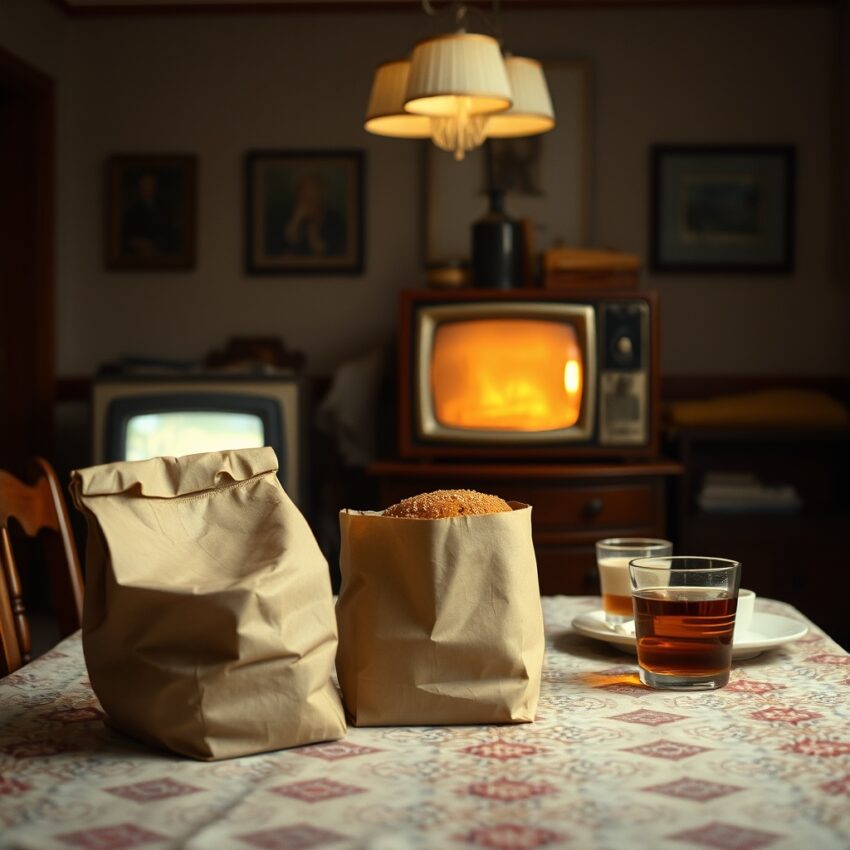
Bir zamanlar taş fırın simidi eve girdiğinde, kokusu yalnız mutfağa değil bütün odalara yayılırdı. Kağıt torbanın içindeki susamlı halka daha sofraya konmadan antreyi, salondaki koltukları, koridoru ve perde aralarına kadar ulaşan sıcak bir iz bırakırdı. Bu koku, özellikle anneanne evinde daha da belirgin hissedilirdi; çünkü o evlerde her yiyeceğin kendine ait bir sahneye çıkışı vardı. Simit geldiğinde çay suyu yeniden konur, küçük tabaklar hazırlanır, eski filmlerin televizyondaki akışı biraz daha dikkatli izlenmeye başlardı. Taş fırının verdiği hafif isli sıcaklık, susamın kavruk kokusu ve evin tanıdık gölgesi birleşince, sıradan bir atıştırmalık bütün evi aynı duyguda toplayan bir işarete dönüşürdü.
Damak Hafızası açısından bakıldığında taş fırın simidi, yalnız un ve susamın değil, mahallenin sabah ve akşam ritimlerinin de taşıyıcısıdır. Fırından yeni çıktığında gevrek kabuğu ve tok iç dokusuyla hemen tanınır; ama asıl kalıcı tarafı, eve gelişiyle yarattığı ortak tepkidir. Kimi simidi ortadan bölüp beyaz peynirle yer, kimi çaya banar, kimi yalnız susamlarını döke döke kemirirdi. Yeme biçimleri değişse de koku etrafında toplanma hissi ortaktı. Özellikle anneanne evinde simit, sadece karın doyurmaz; beklenmedik bir misafire, uzayan film saatine ya da akşamüzeri gelen torun kalabalığına hazır olmanın en tanıdık göstergelerinden biri olurdu.
Taş fırının bu hafızadaki gücü biraz da üretim biçiminden gelir. Eski mahalle fırınları uzaktan daha kapıya varmadan kokusuyla duyulurdu. Hamurun sıcak taşla temasından çıkan o derin koku, bugünün steril raf düzeninden farklı olarak sokağa taşan bir davetti. Eve getirilen simit böylece yalnız satın alınmış bir yiyecek olmaz; mahallenin fırınından, sokağın havasından ve elde taşınan sıcaklıktan pay almış olurdu. Anneanne evinin gölgesinde bu koku daha da ağırlaşırdı; eski filmlerin ışığında oturan aile üyeleri, bir yandan ekrandaki siyah beyaz sahneleri takip ederken öte yandan torbadan çıkan simidin kırıntısına ve buharına yönelirdi. Koku, görüntü ve aile yakınlığı aynı anda çalışırdı.
Eski filmlerin ışığında simidin başka bir anlamı daha vardı: akşamın resmiyetini bozmadan rahatlatmak. Çatal bıçak istemeyen, uzun hazırlık gerektirmeyen ama yine de sofraya küçük bir özen taşıyan yiyeceklerden biriydi. Bir tabak zeytin, biraz peynir, demlenen çay ve taş fırın simidi; işte bu kadarla ev kendi küçük akşam sahnesini kurabilirdi. Bugün hızlı atıştırmalıklar çok daha çeşitli olabilir, fakat taş fırın simidinin evi aynı kokuyla dolduran gücü, yalnız tadından değil zamanlamasından geliyordu. O koku geldiğinde herkes akşamın artık ortak yaşanacağını anlardı.
Belki de bütün evin aynı kokuyla dolmasının nedeni, simidin yalnız fırından değil bir hafıza düzeninden gelmesiydi. Anneanne evinin serin gölgesi, televizyonun titrek ışığı, çayın ince buharı ve simidin susamlı sıcaklığı tek başına değil birlikte hatırlanıyor. Bu yüzden taş fırın simidi bugün akla geldiğinde, insan yalnız bir lezzeti değil; evin içindeki toplanma biçimini, paylaşma hızını ve eski akşamların sade ama güçlü yakınlığını da hatırlıyor. Simidin kokusu bir yiyeceğin değil, aynı sofraya yaklaşan hayatların kokusu olarak kalıyor.
🇬🇧 English | Why the Whole House Filled with the Same Smell When Stone-Oven Simit Reached the Table in the Shadow of Grandmother’s House and the Light of Old Films
There was a time when, the moment stone-oven simit entered the house, its smell spread not only through the kitchen but through every room. Before the sesame ring even reached the table, it left a warm trace through the entrance hall, the armchairs in the living room, the corridor, and even between the curtains. This scent felt especially distinct in grandmother’s house, because in those homes every food had its own small way of entering the scene. When simit arrived, water for tea was set to boil again, small plates were prepared, and the old films on television began to receive more attentive eyes. The light smokiness of the stone oven, the roasted smell of sesame, and the familiar shadow of the house came together until an ordinary snack turned into a sign that gathered the entire home into one shared feeling.
Seen through the lens of taste memory, stone-oven simit carries not only flour and sesame, but also the morning and evening rhythms of the neighborhood. Fresh from the oven, it is recognized at once by its crisp crust and dense interior, yet its most lasting quality lies in the shared response its arrival creates at home. One person splits it and eats it with white cheese, another dips it into tea, another slowly nibbles it while dropping sesame seeds everywhere. The forms of eating differ, but the feeling of gathering around the smell remains the same. Especially in grandmother’s house, simit did more than feed hunger; it became one of the most familiar signs of being ready for an unexpected guest, for a film hour stretching longer than expected, or for grandchildren who had come by in a cheerful crowd.
Part of the power of stone-oven simit in memory comes from the way it was made. Old neighborhood bakeries announced themselves by smell before one even reached the door. The deep aroma created by dough meeting hot stone was an invitation that flowed into the street, unlike the sealed orderliness of many places today. A simit brought home was therefore never just something purchased; it carried within it the bakery, the atmosphere of the street, and the warmth held by the hand that carried it. In the shadow of grandmother’s house that scent grew heavier and softer at once. Family members sitting under the light of old films followed black-and-white scenes on the screen while also turning toward the steam and crumbs rising from the paper bag. Smell, image, and family closeness worked together.
In the light of old films, simit held another meaning too: it softened the evening without stripping it of its quiet dignity. It was one of those foods that required no cutlery, no long preparation, and yet still brought a small sense of care to the table. A plate of olives, a little cheese, freshly brewed tea, and stone-oven simit were enough for a home to set its own intimate evening scene. Fast snacks may be far more varied today, but the power of stone-oven simit to fill the house with one smell came not only from taste, but from timing. Once that aroma entered, everyone understood that the evening would now be lived together.
Perhaps the whole house filled with the same smell because the simit came not only from the oven, but from an entire order of memory. The cool shadow of grandmother’s house, the trembling glow of television, the thin steam of tea, and the sesame warmth of the simit are remembered together rather than apart. That is why, when stone-oven simit comes to mind today, one remembers not only a flavor, but the way the household gathered, the pace of sharing, and the plain but powerful closeness of old evenings. Its smell remains not merely the scent of food, but the scent of lives approaching the same table.
🇧🇷 Português (Brasil) | Por Que Toda a Casa se Enchia com o Mesmo Cheiro Quando o Simit de Forno de Pedra Chegava à Mesa à Sombra da Casa da Avó e à Luz dos Filmes Antigos
Houve um tempo em que, quando o simit de forno de pedra entrava em casa, seu cheiro se espalhava não só pela cozinha, mas por todos os cômodos. Antes mesmo de chegar à mesa, o anel coberto de gergelim deixava um rastro quente pelo corredor, pela sala, pelo vão das cortinas e pelos móveis. Esse aroma parecia ainda mais forte na casa da avó, porque nesses lugares cada alimento tinha sua própria forma de entrar em cena. Quando o simit chegava, a água do chá era colocada novamente, os pratinhos eram preparados, e os filmes antigos na televisão passavam a ser vistos com atenção ainda maior. O leve tom tostado do forno de pedra, o cheiro torrado do gergelim e a sombra conhecida da casa se juntavam até que um lanche simples se transformava em um sinal capaz de reunir toda a casa em torno do mesmo sentimento.
Pela ótica da memória do paladar, o simit de forno de pedra carrega não apenas farinha e gergelim, mas também os ritmos da manhã e do fim da tarde do bairro. Saído do forno, ele é reconhecido na hora pela casca crocante e pelo miolo firme, mas sua qualidade mais duradoura está na reação comum que sua chegada provoca em casa. Uma pessoa o parte ao meio e come com queijo branco, outra o molha no chá, outra vai beliscando devagar enquanto deixa cair gergelim por todo lado. As formas de comer mudam, mas a sensação de reunir-se em torno do cheiro permanece igual. Especialmente na casa da avó, o simit fazia mais do que matar a fome; era um dos sinais mais familiares de estar preparado para uma visita inesperada, para uma sessão de filme que se estendia ou para a chegada animada dos netos.
Parte da força desse simit na memória vem também da maneira como era produzido. As antigas padarias de bairro se anunciavam pelo cheiro antes mesmo de a pessoa alcançar a porta. O aroma profundo criado pelo contato da massa com a pedra quente era um convite que transbordava para a rua, diferente da ordem fechada de muitas vitrines de hoje. Por isso, um simit levado para casa nunca era apenas algo comprado; ele trazia consigo a padaria, o ar da rua e o calor da mão que o carregou. Na sombra da casa da avó esse cheiro ficava ao mesmo tempo mais intenso e mais macio. Os familiares sob a luz dos filmes antigos acompanhavam as cenas em preto e branco enquanto se voltavam também para o vapor e as migalhas saindo do saco de papel. Cheiro, imagem e proximidade familiar atuavam juntos.
À luz dos filmes antigos, o simit tinha ainda outro significado: ele relaxava a noite sem quebrar sua delicada compostura. Era um daqueles alimentos que não exigiam talheres, nem longa preparação, mas ainda assim levavam um pequeno cuidado à mesa. Um prato de azeitonas, um pouco de queijo, chá recém-passado e simit de forno de pedra bastavam para a casa montar sua própria cena íntima de fim de tarde. Hoje os lanches rápidos podem ser mais variados, mas a força do simit de encher a casa com um único cheiro vinha não apenas do sabor, e sim do momento em que aparecia. Quando aquele aroma chegava, todos entendiam que a noite passaria a ser vivida em conjunto.
Talvez a casa inteira se enchesse com o mesmo cheiro porque o simit vinha não só do forno, mas de toda uma ordem de memória. A sombra fresca da casa da avó, a luz trêmula da televisão, o vapor fino do chá e o calor do gergelim são lembrados juntos, nunca separados. Por isso, quando o simit de forno de pedra volta à lembrança, não se recorda apenas um sabor, mas a forma de a casa se reunir, o ritmo da partilha e a proximidade simples, porém forte, das antigas noites. Seu cheiro permanece não apenas como aroma de comida, mas como cheiro de vidas que se aproximam da mesma mesa.