🇹🇷 Türkçe | bahar başlangıcında akşamüstü bakkal uğrakları neden eski mahallelerin en sıcak sahnesiydi
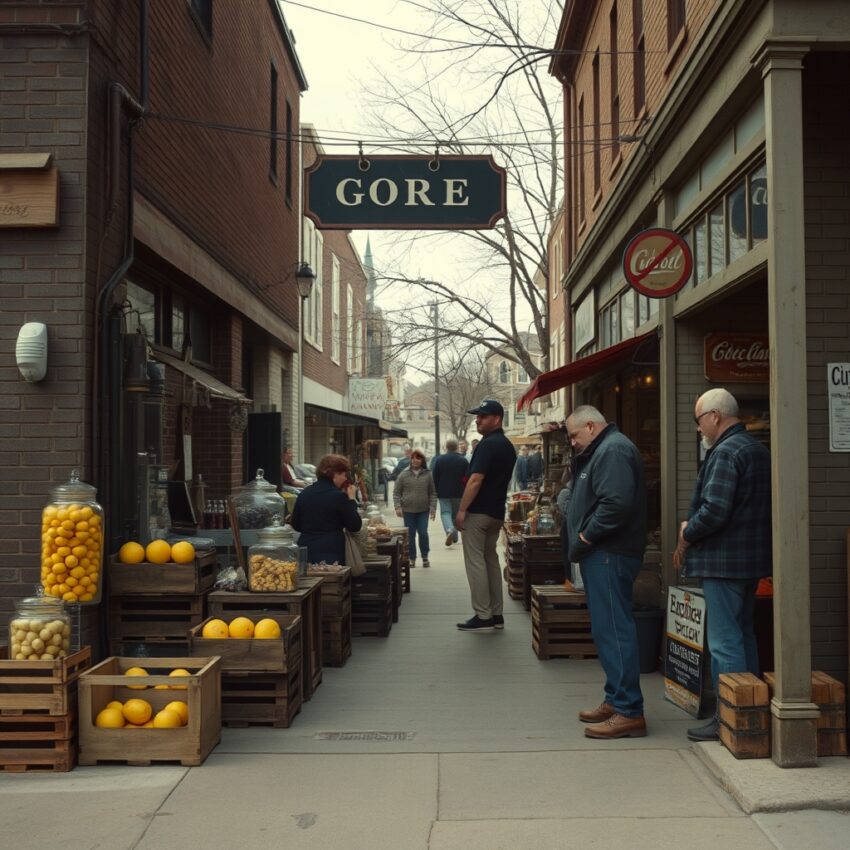
Bir zamanlar baharın ilk günlerinde akşamüstü serinliği henüz tam çökmemişken, mahallenin en canlı köşesi bakkal önü olurdu. Kapının üstündeki küçük zil açılıp kapanır, tahta kasalarda dizili limonlar, şişe gazozlar ve cam kavanozlardaki şekerler günün son ışığını yakalardı. İnsanlar çoğu kez büyük alışveriş için değil, eksilen bir ekmek, yarın sabaha kalmasın diye alınan birkaç yumurta ya da çaya eşlik edecek küçük bir şey için uğrardı. Ama mesele yalnız alınanlarla sınırlı değildi. Bakkalın eşiği, ev ile sokak arasında kısa ama sıcak bir durak kurar; baharın başlangıcında mahalle, kendi sesini en çok orada duyururdu.
Mahalle Kültürü açısından bakıldığında bakkal, eski semtlerin en doğal temas noktalarından biriydi. Pazara göre daha küçük, kahvehaneye göre daha gündelik, fırına göre daha sohbetli bir yerdi. Gün içinde herkesin yolu bir kez olsun oradan geçerdi: okuldan dönen çocuk, işten çıkan baba, tuzu biten komşu, misafir geleceğini son anda hatırlayan ev sahibi. Akşamüstü uğraklarını sıcak kılan da bu çeşitlilikti. Aynı dükkân içinde mahallenin farklı yaşları, farklı telaşları ve farklı sesleri yan yana gelirdi. Bakkal yalnız satış yapan kişi değildi; kimin evinde hasta var, hangi çocuk harçlığını biriktiriyor, kim veresiye yazdıracak kadar sıkışmış, bunları bilen mahallenin hafızasıydı.
Bahar başlangıcı bu sahneye ayrı bir yumuşaklık katardı. Kışın ağırlığı çözülür, kapılar biraz daha uzun açık kalır, eve dönüş acele ama sert olmayan bir ritme bürünürdü. Bakkal önünde kısa konuşmalar uzar, biri kasadaki limon kasasına dayanıp hal hatır sorar, bir çocuk renkli sakızlara uzun uzun bakar, bir başka müşteri “yarın veririm” deyince başıyla onay alınırdı. Bu küçük anlar mahalleyi sıcak yapan büyük duygulardı. İnsanların birbirini yalnız tanıması değil, günlük eksiklerini bile yargısız ve doğal bir tanışıklık içinde giderebilmesi eski bakkal kültürünün en belirgin taraflarından biriydi. Kapı önü, dükkân içi ve kaldırım aynı topluluk duygusunda birleşirdi.
Bugün market zincirlerinin düzenli raflarında bulunmayan şey tam da bu ara sıcaklıktır. Her şey daha bol, daha hızlı ve daha sistemli olabilir; ama eski bakkal uğraklarında alışveriş kadar görünür olan insani temas giderek azaldı. Oysa mahalle bakkalı, ihtiyaç ile sohbeti birbirinden ayırmayan bir yerdi. Ekmek alınırken hava konuşulur, hesap yazdırılırken çocuğun okul durumu sorulur, gazoz seçilirken bir bayramın ya da maç akşamının havası hissedilirdi. Bahar başlangıcında akşamüstü uğraklarının özel hatırlanmasının nedeni biraz da buradadır: o dükkânda mahalle yalnız alışveriş yapmaz, kendini her gün yeniden kurardı.
Belki de eski mahallelerin en sıcak sahnesi sayılmalarının sebebi, bakkal önünde hayatın aşırı süslenmeden ama eksilmeden görünmesiydi. Bir tahta kasa, cam bir kavanoz, kapının önünde duran çocuk bisikleti, omzunda file taşıyan bir komşu ve dükkân içinden gelen “başka bir şey var mıydı?” sorusu… Hepsi birlikte mahalleye ait bir akşam portresi oluştururdu. Baharın ilk serinliğiyle bu portre daha da canlı hâle gelir, evlere dönmeden önce son durak olan bakkal, eski mahallelerin en sıcak, en insani ve en hatırlanası çerçevesine dönüşürdü.
🇬🇧 English | Why Late Afternoon Stops at the Corner Grocer at the Beginning of Spring Were the Warmest Scene of Old Neighborhoods
There was a time when, in the first days of spring, before the late afternoon cool had fully settled, the liveliest corner of the neighborhood was the grocer’s front. The small bell above the door opened and closed, lemons stacked in wooden crates, soda bottles, and candies inside glass jars caught the day’s last light. People usually stopped there not for a grand purchase, but for a loaf of bread that had run out, a few eggs needed before morning, or something small to accompany tea. Yet the matter was never limited to what was bought. The grocer’s threshold created a brief but warm pause between house and street, and at the beginning of spring the neighborhood made its own voice heard there more than anywhere else.
Seen through the lens of neighborhood culture, the corner grocer was one of the most natural points of contact in older districts. Smaller than the market, more everyday than the coffeehouse, and more talk-filled than the bakery, it was a place everyone passed at least once. A child returning from school, a father leaving work, a neighbor who had run out of salt, or a host who suddenly remembered expected guests all found their way there. What made late afternoon visits so warm was exactly this variety. Different ages, worries, and tones of voice stood side by side within the same small shop. The grocer was never only a seller; he was the memory of the neighborhood, knowing which house had illness, which child was saving pocket money, and who needed an item written into the ledger until later.
The beginning of spring added a special softness to this scene. Winter’s heaviness loosened, doors stayed open a little longer, and returning home took on a rhythm that was quick but not harsh. Brief conversations in front of the shop stretched out, someone leaned against the lemon crate and asked after another’s family, one child stared at bright chewing gums, and a quiet nod accepted the sentence, “I’ll pay tomorrow.” These small moments contained the larger emotions that made a neighborhood feel warm. The old grocer’s culture was defined not only by mutual recognition, but by the fact that even daily shortages could be handled within a natural and unjudging familiarity. Doorstep, interior, and pavement joined in the same sense of community.
What is missing from the orderly shelves of chain markets today is precisely this in-between warmth. Things may be more abundant, faster, and more efficient now, yet the human contact once visible in old grocer visits has thinned out. The neighborhood grocer was a place that never separated need from conversation. Weather was discussed while buying bread, a child’s school life was asked about while writing a debt into the notebook, and the air of an upcoming holiday or football night was felt while choosing soda. Part of the reason those springtime late afternoon stops are remembered so vividly is that the neighborhood did not only shop there; it remade itself there every day.
Perhaps they are remembered as the warmest scene of old neighborhoods because life appeared in front of the grocer without excess decoration yet without any sense of lack. A wooden crate, a glass jar, a child’s bicycle left by the door, a neighbor carrying a mesh bag, and the question from inside, “Was there anything else?” together formed an evening portrait belonging entirely to the quarter. With the first coolness of spring, that portrait became even more alive, and the grocer, as the last stop before home, turned into one of the warmest, most human, and most memorable frames of neighborhood life.
🇧🇷 Português (Brasil) | Por Que as Paradas no Armazém no Fim da Tarde no Começo da Primavera Eram a Cena Mais Acolhedora dos Bairros Antigos
Houve um tempo em que, nos primeiros dias da primavera, antes que a frescura do fim da tarde caísse por completo, o canto mais vivo do bairro era a frente do armazém. O pequeno sino sobre a porta abria e fechava, limões arrumados em caixas de madeira, garrafas de refrigerante e balas em potes de vidro captavam a última luz do dia. As pessoas paravam ali não para fazer uma grande compra, mas para buscar o pão que faltou, alguns ovos para a manhã seguinte ou algo pequeno para acompanhar o chá. Mas a cena nunca se limitava ao que era comprado. A soleira do armazém criava uma pausa curta e calorosa entre a casa e a rua, e no começo da primavera o bairro fazia ouvir ali a própria voz com mais clareza.
Pela ótica da cultura de bairro, o armazém era um dos pontos de contato mais naturais dos antigos quarteirões. Menor do que a feira, mais cotidiano do que o café e mais conversador do que a padaria, era um lugar por onde todos passavam ao menos uma vez. A criança voltando da escola, o pai saindo do trabalho, a vizinha que ficou sem sal ou o dono da casa que se lembrou tarde da visita encontravam ali o mesmo destino. O que tornava tão acolhedoras as paradas do fim da tarde era justamente essa variedade. Idades, pressas e vozes diferentes apareciam lado a lado dentro da mesma loja pequena. O comerciante não era só vendedor; era também a memória do bairro, sabendo em que casa havia um doente, qual criança guardava as moedas e quem precisava anotar no caderno para pagar depois.
O começo da primavera acrescentava uma suavidade especial a essa cena. O peso do inverno se soltava, as portas ficavam abertas por mais tempo e a volta para casa ganhava um ritmo rápido, mas não duro. As conversas curtas diante da loja se alongavam, alguém se apoiava na caixa de limões para perguntar das novidades, uma criança olhava demoradamente os chicletes coloridos e outro freguês dizia “amanhã eu pago”, recebendo um gesto de concordância. Esses pequenos instantes continham os grandes afetos que aqueciam o bairro. O traço mais marcante da antiga cultura do armazém era justamente esse: não apenas todos se conheciam, mas até as pequenas faltas do dia podiam ser resolvidas dentro de uma familiaridade natural e sem julgamento. Porta, loja e calçada se uniam numa mesma sensação de comunidade.
O que não existe nas prateleiras organizadas dos mercados de rede é precisamente esse calor intermediário. Hoje tudo pode ser mais abundante, rápido e eficiente, mas o contato humano que aparecia nas antigas idas ao armazém se enfraqueceu. O armazém do bairro era um lugar que não separava necessidade de conversa. Falava-se do tempo enquanto se comprava pão, perguntava-se da escola da criança enquanto se anotava a conta, e sentia-se o clima de uma festa ou de uma noite de jogo enquanto se escolhia o refrigerante. Parte do motivo de essas visitas de primavera serem tão lembradas está nisso: o bairro não apenas fazia compras ali, ele se refazia ali todos os dias.
Talvez sejam lembradas como a cena mais acolhedora dos bairros antigos porque, diante do armazém, a vida aparecia sem enfeite exagerado, mas sem faltar nada. Uma caixa de madeira, um pote de vidro, a bicicleta de uma criança encostada na porta, uma vizinha com a sacola de rede no ombro e a pergunta vinda lá de dentro, “faltava mais alguma coisa?”, formavam juntas um retrato de fim de tarde inteiramente pertencente ao bairro. Com a primeira frescura da primavera, esse retrato ganhava ainda mais vida, e o armazém, último ponto antes de voltar para casa, se transformava numa das molduras mais humanas, acolhedoras e memoráveis da vida de bairro.