🇹🇷 Türkçe | cep radyosu: salonda toplanan ailelerin sessiz heyecanı içinde analog çağın unutulmayan heyecanını anlatıyor okul yolu telaşıyla gündüzden geceye uzanan ritimle
Cep radyosu eski evlerde yalnız cebe sığan küçük bir cihaz değildi; gündüzden geceye uzanan hayatın yanında taşınan bir ses arkadaşıydı. Sabah okul yolu telaşında çantanın yan gözünde durur, öğle arasında bir duvar dibinde açılır, akşam salonda toplanan ailelerin sessiz heyecanına karışırdı. Küçük hoparlörden gelen cızırtılı haber, maç anlatımı ya da şarkı, evin içindeki zamanı dış dünyanın ritmine bağlardı. İnsanlar düğmeyi çevirirken yalnız frekans aramaz, günün içinde kendilerine ait bir ses aralığı da bulurdu.
Teknoloji Mirası açısından cep radyosu, analog çağın en kişisel ama en paylaşılabilir cihazlarından biriydi. Küçük anteni, ayar düğmesi, pil kapağı ve elde bıraktığı hafif plastik sıcaklığı, onun dokunulabilir bir teknoloji olduğunu hatırlatırdı. Frekansı tutturmak sabır isterdi; bazen ses kayar, bazen istasyon karışır, bazen de anten birkaç santim uzatılınca dünya birden netleşirdi. Bu küçük uğraş, dinlemeyi pasif olmaktan çıkarırdı. Cep radyosu kullanan kişi, sesi kendi eliyle yakaladığı için duyduğu şeye daha çok bağlanırdı.
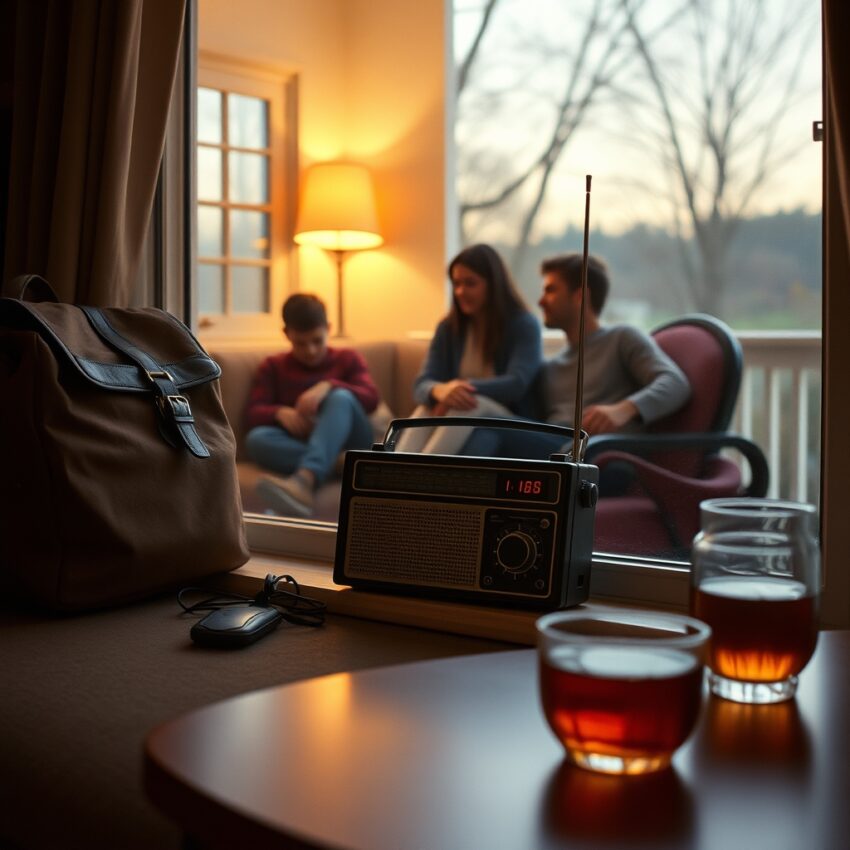
Salonda toplanan ailelerin sessiz heyecanı içinde cep radyosunun yeri ayrıca özeldi. Televizyon açık değilse ya da elektrik kesilmişse, küçük radyo odanın merkezine geçerdi. Maç dakikalarında herkes susar, haber saatinde büyükler dikkat kesilir, sevilen bir şarkı çıktığında çocuklar mırıldanmaya başlardı. Bazen radyo pencere kenarına konur, çekim biraz daha iyi olsun diye yönü değiştirilirdi. O küçük cihaz, büyük bir ekran olmadan da aileyi aynı duyguya toplayabilirdi. Analog çağın heyecanı biraz da bu sade ortaklıkta saklıydı.
Okul yolu telaşından gece sessizliğine uzanan ritim, cep radyosunun hafızasını güçlendirdi. Sabahları öğrenciler servis beklerken uzaktan gelen müziği duyar, esnaf dükkânını açarken haberleri takip eder, akşamları aileler aynı cihazdan maç sonucunu öğrenirdi. Radyo evden sokağa, sokaktan sahile, sahilden salona taşınabilirdi. Bu hareketlilik onu yalnız ev eşyası değil, gündelik hayatın taşınabilir hafızası yaptı. Pil bittiğinde duyulan küçük hayal kırıklığı bile bu bağın parçasıydı; çünkü sessizlik, cihazın ne kadar hayatın içinde olduğunu hatırlatırdı.
Bugün cep radyosunu hatırlamak, analog çağın unutulmayan heyecanını yeniden düşünmektir. O heyecan hızdan değil, sesi bulmak için gösterilen dikkatten, haberin birlikte dinlenmesinden ve küçük bir cihazın büyük bir dünyaya pencere açmasından doğardı. Cep radyosu bize teknolojinin bazen en güçlü hâlinin sade, taşınabilir ve paylaşılabilir olduğunda ortaya çıktığını gösterir. Okul yolu, salon, gece ve gündüz aynı küçük hoparlörde birleştiğinde, bir nesne yalnız cihaz olmaktan çıkar; dönemin ritmini taşıyan kültürel bir hafızaya dönüşür.
Küçük radyonun değeri biraz da her yere sığabilmesindeydi. Ceket cebinde, mutfak rafında, yastık kenarında ya da dükkân tezgâhında aynı sesi taşır; insanın gündelik yalnızlığını hafifletirdi. Bu taşınabilir yakınlık, onu pek çok eski hatıranın vazgeçilmez eşlikçisi yaptı.
🇬🇧 English | Pocket Radio: It Tells the Unforgotten Excitement of the Analog Age Within the Quiet Anticipation of Families Gathered in the Living Room, with a Rhythm Stretching from School-Road Rush to Night
The pocket radio in old homes was not merely a small device that fit into a pocket; it was a companion of sound carried beside life from day to night. In the morning rush to school it waited in the side pocket of a bag, at noon it was opened beside a wall, and in the evening it joined the quiet anticipation of families gathered in the living room. Scratchy news, match commentary, or a song coming from its small speaker connected domestic time to the rhythm of the outside world. When people turned its dial, they were not only searching for a frequency, but also finding a small space of sound within the day.
From the perspective of technological heritage, the pocket radio was one of the most personal yet shareable devices of the analog age. Its small antenna, tuning knob, battery cover, and light plastic warmth in the hand reminded people that technology could be touched. Finding the right frequency required patience; sometimes the sound slipped, sometimes stations mixed, and sometimes extending the antenna a few centimeters made the world suddenly clear. This small effort kept listening from becoming passive. The person using a pocket radio felt more attached to what was heard because the sound had been caught by hand.
The pocket radio also had a special place within the quiet excitement of families gathered in the living room. If the television was off or the power had gone out, the small radio moved to the center of the room. During match minutes everyone fell silent, at news hour the adults listened carefully, and when a beloved song began children started humming. Sometimes the radio was placed near the window and turned slightly to improve reception. That small device could gather the family into the same feeling without any large screen. Much of the excitement of the analog age was hidden in this simple togetherness.
The rhythm stretching from the rush of the school road to the quiet of night strengthened the memory of the pocket radio. In the mornings students heard distant music while waiting for service vehicles, shopkeepers followed the news while opening stores, and in the evenings families learned match results from the same device. The radio could travel from home to street, from street to shore, and from shore back to the living room. This movement made it not only a household object, but a portable memory of daily life. Even the small disappointment when the batteries died was part of the bond, because silence revealed how deeply the device had entered life.
To remember the pocket radio today is to reconsider the unforgettable excitement of the analog age. That excitement came not from speed, but from the attention required to find sound, from listening to news together, and from a small device opening a window to a large world. The pocket radio shows us that technology is sometimes strongest when it is simple, portable, and shareable. When the school road, the living room, night, and day met inside the same small speaker, an object stopped being merely a device and became a cultural memory carrying the rhythm of its era.
🇧🇷 Português (Brasil) | Rádio de Bolso: Conta a Emoção Inesquecível da Era Analógica na Expectativa Silenciosa das Famílias Reunidas na Sala, com um Ritmo que Vai da Correria do Caminho da Escola até a Noite
O rádio de bolso nas casas antigas não era apenas um pequeno aparelho que cabia no bolso; era um companheiro de som levado junto da vida do dia até a noite. Na correria da manhã rumo à escola, ficava no bolso lateral da mochila; ao meio-dia, era ligado junto a um muro; à noite, entrava na expectativa silenciosa das famílias reunidas na sala. Notícias com chiado, narração de jogo ou uma música saindo do pequeno alto-falante ligavam o tempo da casa ao ritmo do mundo de fora. Ao girar o botão, as pessoas não procuravam apenas uma frequência, mas também um pequeno espaço sonoro dentro do dia.
Do ponto de vista da herança tecnológica, o rádio de bolso foi um dos aparelhos mais pessoais e ao mesmo tempo mais compartilháveis da era analógica. Sua pequena antena, o botão de sintonia, a tampa das pilhas e o calor leve do plástico na mão lembravam que a tecnologia podia ser tocada. Acertar a frequência exigia paciência; às vezes o som escapava, às vezes as estações se misturavam, e às vezes bastava esticar a antena alguns centímetros para o mundo ficar nítido. Esse pequeno esforço impedia que ouvir fosse um gesto passivo. Quem usava o rádio se ligava mais ao som porque o capturava com a própria mão.
O rádio de bolso também tinha um lugar especial na emoção silenciosa das famílias reunidas na sala. Se a televisão estava desligada ou faltava luz, o pequeno rádio passava para o centro do cômodo. Nos minutos do jogo todos se calavam, na hora do noticiário os adultos prestavam atenção, e quando uma música querida começava as crianças cantarolavam. Às vezes o rádio era colocado perto da janela e virado um pouco para melhorar o sinal. Aquele pequeno aparelho podia reunir a família no mesmo sentimento sem precisar de uma tela grande. Boa parte da emoção da era analógica estava nessa simplicidade compartilhada.
O ritmo que ia da pressa do caminho da escola ao silêncio da noite fortaleceu a memória do rádio de bolso. De manhã, estudantes ouviam música distante enquanto esperavam o transporte; comerciantes acompanhavam notícias ao abrir a loja; à noite, famílias descobriam o resultado do jogo pelo mesmo aparelho. O rádio podia ir da casa para a rua, da rua para a orla e da orla de volta para a sala. Essa mobilidade fez dele não só um objeto doméstico, mas uma memória portátil da vida diária. Até a pequena frustração quando as pilhas acabavam fazia parte do vínculo, porque o silêncio mostrava quanto o aparelho participava da vida.
Lembrar hoje do rádio de bolso é repensar a emoção inesquecível da era analógica. Essa emoção não vinha da velocidade, mas da atenção necessária para encontrar o som, de ouvir notícias em conjunto e de um pequeno aparelho abrir uma janela para um mundo grande. O rádio de bolso mostra que a tecnologia às vezes é mais forte quando é simples, portátil e compartilhável. Quando o caminho da escola, a sala, a noite e o dia se encontravam no mesmo pequeno alto-falante, o objeto deixava de ser apenas aparelho e se tornava memória cultural do ritmo de uma época.