🇹🇷 Türkçe | Sokak lambalarının altında büyüyen anılarda iskele meydanlarında buluşmanın sözsüz anlaşmaya dönüştüğü devir: unutulan ayrıntılarıyla bize ne söylüyor çiçek kokulu sokaklar
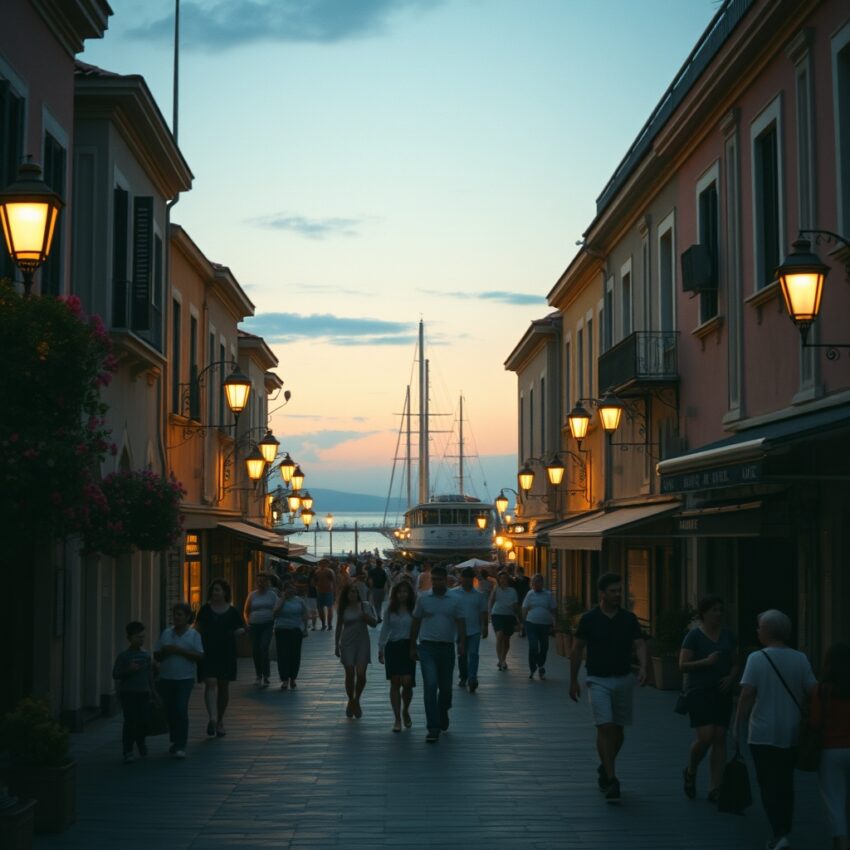
Bir zamanlar akşamın başladığı saat, evlerin pencerelerine vuran ilk sarı ışıkla değil, sokak lambalarının usulca yanmasıyla anlaşılırdı. Özellikle denize açılan kasabalarda ve küçük şehirlerin iskele meydanlarında bu ışık, yalnız yolu aydınlatan bir ayrıntı değil, insanların birbirini bulduğu sessiz bir davetti. Kadınlar kapı önlerini son kez süpürür, çocuklar oyunu biraz daha uzatmak için ayak direr, erkekler dükkân kepenklerini yarıya kadar indirip meydana doğru ağır ağır yürürdü. Çiçek kokulu sokaklardan geçerek iskeleye varanlar, çoğu zaman önceden sözleşmemiş olurdu; ama herkes aşağı yukarı aynı saatte, aynı serinlikte, aynı lambaların altında birbirini bulurdu. O yüzden buluşmak, bir randevudan çok mahalle hafızasının doğal bir uzantısıydı.
Zamanın İzinde bakıldığında iskele meydanları, eski kıyı hayatının en sade ama en güçlü toplumsal sahnelerinden birini oluşturur. Eski gazetelerde yaz akşamı gezintilerinden, sahil boyu kalabalığından, ailelerin liman çevresinde dolaşmasından sık sık söz edilmesi boşuna değildir. Çünkü o meydanlar yalnız vapur beklenen ya da yük indirilen yerler değil, görünmenin, selam vermenin, haber almanın ve gündelik hayatı paylaşmanın ortak mekânlarıydı. Elektriğin mahalle hayatına yerleşmesiyle sokak lambaları geceyi uzatmış, insanlar gün karardıktan sonra da kamusal alanda kalmaya başlamıştı. Böylece buluşma kültürü saatlerden değil alışkanlıklardan beslenen bir ritim kazandı. Kimsenin yüksek sesle çağrı yapmasına gerek kalmadan, ışığın topladığı insanlar bir kasabanın görünmeyen sözleşmesini kuruyordu.
Bu sahnenin unutulan ayrıntıları çoğu zaman kokular, küçük hareketler ve tekrar eden alışkanlıklarda saklıdır. Yasemin saran duvarların önünden geçerken havaya karışan hafif koku, akşam serinliğinde ince hırkasını omzuna alan bir annenin telaşı, iskeleye yakın gazozcudan yükselen şişe kapağı sesi, taşların üzerinde yavaşlayan adımlar, bunların hepsi aynı akşam resminin parçasıdır. Gençler biraz ileride durup kalabalığın içinden birbirine göz ucuyla bakar, yaşlılar aynı banklarda oturup geçenleri seyreder, çocuklar ise meydana kadar gelmiş olmanın verdiği özgürlükle biraz daha geç eve dönmenin sevincini yaşardı. Çiçek kokulu sokaklar bugün bize tam da bu yüzden çok şey söyler: geçmişin büyük olaylarından çok, birlikte yaşamanın terbiyesini taşıyan küçük ayrıntıları hatırlatırlar.
Sözsüz anlaşma dediğimiz şey aslında eski şehir hayatının güvene dayalı ritmidir. Buluşmak için uzun mesajlara, kesin saatlere, sürekli teyide ihtiyaç duyulmayan bir dönemde insanlar birbirinin alışkanlığını bilir, mahallenin akışına güvenir, meydanın o akşam da aynı şekilde dolacağını tahmin ederdi. İskele çevresindeki çay bahçeleri, simitçiler, çekirdek satan seyyarlar ve kıyıya yaslanan banklar bu kültürün sessiz yardımcılarıydı. Oraya gitmek yalnız birini görmek için değil, kendini hayatın akışı içinde yeniden yerine koymak içindi. Böyle zamanlarda sokak lambası bir teknik araç olmaktan çıkar, toplumsal bir işaret hâline gelirdi. Yanmasıyla birlikte meydan canlanır, yüzler görünür, günün yorgunluğu yerini paylaşılan bir akşama bırakırdı.
Bugün o çiçek kokulu sokaklara ve iskele meydanlarına dönüp baktığımızda, bize söyledikleri en önemli şeyin yavaşlık ve yakınlık olduğu anlaşılır. İnsanlar aynı şehirde yaşamanın yalnız adres paylaşmak olmadığını, aynı saat duygusunu, aynı akşam alışkanlığını ve aynı kamusal zarafeti paylaşmakla mümkün olduğunu biliyordu. Sokak lambalarının altında büyüyen anılar bu yüzden hâlâ parlaktır; çünkü onların içinde sadece geçmişe ait bir dekor değil, gündelik hayatı birbirine bağlayan güçlü bir toplumsal doku vardır. İskele meydanlarında buluşmak, o devrin en sade mutluluklarından biriydi. Çiçek kokulu sokaklar bugün bize, modern hayatın hızında kolayca unuttuğumuz bir şeyi hatırlatır: bazen bir kenti yaşanır kılan şey, insanların birbirini söz vermeden de bulabildiği akşam saatleridir.
🇬🇧 English | In the Memories That Grew Beneath Street Lamps, the Era When Meeting in Pier Squares Became a Wordless Agreement: What Do Flower-Scented Streets Tell Us With Their Forgotten Details?
There was a time when evening was understood not by the first yellow light striking the windows, but by the quiet moment when street lamps came alive. In seaside towns and in the pier squares of smaller cities, that light was more than a practical detail that made the road visible. It was a silent invitation through which people found one another. Women gave the doorstep one final sweep, children resisted going inside so the game could last a little longer, and men lowered their shop shutters halfway before walking slowly toward the square. Those who reached the pier through flower-scented streets often had not made any formal plan, yet everyone met one another at nearly the same hour, in the same cool air, under the same lamps. That is why meeting felt less like an appointment than like the natural continuation of neighborhood memory.
Viewed in the trail of time, pier squares formed one of the simplest and strongest public scenes of old coastal life. Old newspapers did not mention evening strolls, waterfront crowds, and families circling the harbor by accident. These places were not only where ferries arrived or cargo was unloaded, but shared settings for being seen, offering greetings, hearing the latest news, and taking part in daily life together. As electricity settled into neighborhood life, street lamps extended the evening, allowing people to remain in public after dark. In that way, the culture of meeting gained a rhythm fed less by strict schedules than by habit. Without anyone needing to call out or confirm, the people gathered by light created the invisible agreement of a town.
The forgotten details of that scene are often hidden in scents, gestures, and repeated habits. The soft fragrance floating from jasmine-covered walls, the haste of a mother settling a light cardigan on her shoulders, the sound of a soda bottle being opened near the pier, the slow steps on old stones, all belong to the same evening picture. Young people stood a little apart and watched one another from the edge of the crowd, older residents sat on the same benches and observed the passersby, while children enjoyed the freedom of having come all the way to the square and staying out a little later. Flower-scented streets still speak to us precisely because they recall not the grand events of the past, but the small details that carried the manners of living together.
What we call a wordless agreement was in fact the trust-based rhythm of older urban life. In a period when meeting did not require long messages, exact timing, or repeated confirmation, people knew one another’s habits, trusted the neighborhood’s flow, and assumed that the square would fill in the same way again that evening. Tea gardens around the pier, simit sellers, seed vendors, and the benches leaning toward the shore all supported this culture in quiet ways. Going there was not only about seeing a particular person, but about placing oneself back into the current of shared life. In such hours, the street lamp ceased to be merely a technical object and became a social sign. Once it lit up, the square awakened, faces became visible, and the fatigue of the day gave way to an evening held in common.
When we look back today at those flower-scented streets and those pier squares, the strongest thing they tell us is the value of slowness and closeness. People knew that living in the same town did not mean merely sharing addresses, but sharing the same sense of hour, the same evening habits, and the same public grace. The memories that grew beneath street lamps still shine because they contain not only scenery from the past, but a powerful social fabric that tied ordinary life together. Meeting in pier squares was one of the simplest pleasures of that era. Flower-scented streets remind us of something modern life easily forgets: sometimes what makes a city livable is the evening hour when people can still find one another without having to promise it first.
🇧🇷 Português (Brasil) | Nas Memórias que Cresceram Sob os Postes de Luz, o Tempo em que se Encontrar nas Praças do Cais se Tornou um Acordo Sem Palavras: O que as Ruas com Perfume de Flores Nos Dizem com Seus Detalhes Esquecidos?
Houve um tempo em que o começo da noite não era percebido pela primeira luz amarela batendo nas janelas, mas pelo instante silencioso em que os postes de rua se acendiam. Nas cidades litorâneas e nas pequenas praças de cais, essa luz era mais do que um detalhe prático para iluminar o caminho. Era um convite silencioso pelo qual as pessoas se encontravam. As mulheres davam a última varrida na porta, as crianças insistiam em prolongar a brincadeira, e os homens baixavam pela metade as portas do comércio antes de caminhar devagar até a praça. Quem chegava ao cais passando por ruas perfumadas de flores muitas vezes não havia combinado nada de forma explícita, e ainda assim todos se encontravam quase no mesmo horário, no mesmo frescor, sob os mesmos postes. Por isso, o encontro parecia menos um compromisso marcado e mais a continuação natural da memória do bairro.
No rastro do tempo, as praças de cais formavam uma das cenas públicas mais simples e mais fortes da antiga vida costeira. Não era por acaso que os jornais antigos mencionavam passeios noturnos, multidões à beira-mar e famílias circulando em torno do porto. Esses lugares não serviam apenas para esperar barcos ou descarregar mercadorias, mas para ser visto, cumprimentar, ouvir novidades e partilhar a vida cotidiana. Com a eletricidade se tornando parte do bairro, os postes prolongaram a noite e permitiram que as pessoas permanecessem no espaço público depois de escurecer. Assim, a cultura do encontro ganhou um ritmo sustentado menos por horários rígidos e mais pelo hábito. Sem precisar chamar em voz alta ou confirmar a cada momento, os reunidos pela luz construíam o acordo invisível da cidade.
Os detalhes esquecidos dessa cena costumam estar escondidos em cheiros, gestos e costumes repetidos. O perfume leve vindo dos muros cobertos de jasmim, a pressa de uma mãe ajeitando um casaquinho sobre os ombros, o som da garrafa de refrigerante sendo aberta perto do cais, os passos que desaceleram sobre a pedra, tudo isso pertence ao mesmo quadro noturno. Os jovens paravam um pouco mais adiante e trocavam olhares pela borda da multidão, os moradores mais velhos ocupavam sempre os mesmos bancos e observavam quem passava, enquanto as crianças sentiam a alegria de ter chegado até a praça e voltar para casa um pouco mais tarde. As ruas com perfume de flores ainda falam conosco justamente porque recordam não os grandes acontecimentos do passado, mas os pequenos detalhes que guardavam a educação de viver junto.
O que chamamos de acordo sem palavras era, na verdade, o ritmo de confiança da antiga vida urbana. Numa época em que encontrar alguém não exigia mensagens longas, horários exatos nem confirmações constantes, as pessoas conheciam os hábitos umas das outras, confiavam no fluxo do bairro e supunham que a praça voltaria a se encher da mesma forma naquela noite. Os jardins de chá perto do cais, os vendedores de simit, os ambulantes de sementes e os bancos voltados para o mar eram auxiliares silenciosos dessa cultura. Ir até ali não servia apenas para ver alguém específico, mas para recolocar a si mesmo dentro da corrente da vida comum. Nessas horas, o poste deixava de ser um objeto técnico e se transformava em um sinal social. Quando se acendia, a praça despertava, os rostos reapareciam e o cansaço do dia cedia lugar a uma noite compartilhada.
Quando hoje olhamos de novo para aquelas ruas perfumadas e para aquelas praças de cais, entendemos que a principal mensagem delas é o valor da lentidão e da proximidade. As pessoas sabiam que viver na mesma cidade não significava apenas dividir endereços, mas compartilhar a mesma sensação da hora, os mesmos hábitos noturnos e a mesma delicadeza no espaço público. As memórias que cresceram sob os postes continuam luminosas porque contêm não só um cenário do passado, mas uma forte trama social que unia a vida comum. Encontrar-se nas praças do cais era um dos prazeres mais simples daquele tempo. As ruas perfumadas de flores nos lembram de algo que a vida moderna esquece com facilidade: às vezes, o que torna uma cidade realmente habitável é a hora da noite em que as pessoas ainda conseguem se encontrar sem precisar prometer isso antes.