🇹🇷 Türkçe | salonda toplanan ailelerin sessiz heyecanı eşliğinde sekmeli fotoğraf flaşı kullanmak neden başlı başına bir törendi taş kaldırımlar boyunca sessiz bir yaz akşamına karışarak
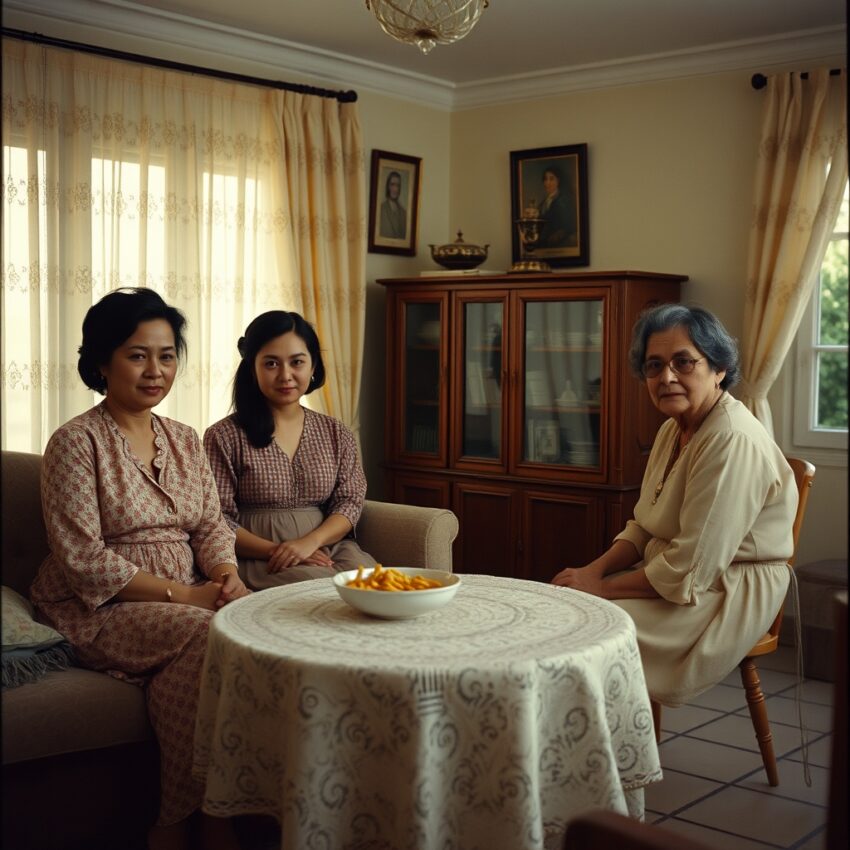
Bir zamanlar aile fotoğrafı çekmek, bugünkü gibi düğmeye basılıp geçilen bir an değildi; evin içinde küçük bir hazırlık, neredeyse törensel bir bekleyiş gerektirirdi. Perdeler düzeltilir, en iyi koltuk örtüsü seçilir, çocukların saçları taranır, büyüklerin ceket yakaları gözden geçirilirdi. Sonra herkes salonda bir araya gelir, fotoğraf makinesi dikkatle ortaya konur ve sekmeli flaşın çıkaracağı patlamayı hafif bir tedirginlikle beklerdi. O anda evin içindeki sessiz heyecan, camlardan dışarı sızan yaz akşamı serinliğiyle birleşir; taş kaldırımlar boyunca ağır ağır ilerleyen mahalle hayatı ile odanın içindeki teknoloji merakı aynı sahnede buluşurdu. Bir kare fotoğrafın ardında bu kadar çok hazırlık olması, analog dönemin teknik sınırlamalarından çok, anı saklamaya verilen kıymeti gösterirdi.
Teknoloji Mirası açısından bakıldığında sekmeli fotoğraf flaşı, yalnız bir yardımcı ekipman değil, gündelik hayatın teknoloji ile kurduğu temkinli ama hayranlık dolu ilişkinin simgesidir. Flaş ampulleri tek kullanımlıktı, dikkatle takılır, açı doğru ayarlanır, deklanşöre basılmadan önce herkes hazır olup olmadığı konusunda sessizce anlaşırdı. O küçücük mekanik düzenek, ışığın yetersiz kaldığı salona bir anda yapay bir gündüz getirir, fotoğrafı mümkün kılan teknik müdahaleyi gözle görünür hâle getirirdi. Eski dergilerde, stüdyo vitrinlerinde ve dönem reklamlarında aile fotoğrafçılığına verilen önem, bu cihazların ev içi modernleşmenin bir parçası olarak nasıl görüldüğünü anlatır. Evde fotoğraf çekmek, yalnızca görüntü kaydetmek değil; ailenin kendini düzenli, derli toplu ve geleceğe bırakılacak kadar anlamlı görmesiydi.
Bu tören duygusu en çok çekim öncesi ayrıntılarda hissedilirdi. Biri sehpanın yerini biraz kaydırır, biri dantel örtünün ucunu düzeltir, çocuklardan en küçüğüne “sakın kıpırdama” denirdi. Makineyi kullanan kişi çoğu zaman aile içinde teknolojiye en yatkın kabul edilen biri olurdu; belki baba, belki dayı, bazen de mahallede bu işlerden anlayan bir komşu. Flaş takılırken duyulan dikkat, fotoğraf çekildikten sonra ampulün sıcaklığından çekinilmesi, filmin boşa gitmemesi için gösterilen özen, analog çağın her kareye yüklediği maddi ve duygusal değeri anlatır. Dışarıda ise yaz akşamı kendi akışında sürerdi: taş kaldırımlarda yankılanan terlik sesleri, uzaktan gelen radyo melodileri, balkonlardan sokağa düşen konuşmalar. İçerideki o bir anlık patlama, mahalle gecesinin dinginliğine kısa bir teknolojik yıldız gibi karışırdı.
Sekmeli flaşın başlı başına bir tören gibi hatırlanmasının bir nedeni de, fotoğrafın sonuçtan çok süreç olarak yaşanmasıydı. Bugün ekranda hemen görülebilen görüntünün aksine o yıllarda kimse sonucu o anda bilemezdi. Yüzler doğru çıkmış mı, biri gözünü kapamış mı, çocuk hareket etmiş mi, bunlar günler sonra banyo edilen fotoğraflarla anlaşılırdı. Bu gecikme, çekim anını daha ciddi, daha dikkatli ve daha anlamlı kılardı. İnsanlar deklanşöre basıldığı saniyede yalnız kendi görüntülerini değil, bir arada olma hâllerini de sabitlemeye çalışırlardı. O yüzden salonda toplanan ailelerin sessiz heyecanı, yalnız flaşın patlamasından değil, görünür hâle gelmiş bir hafıza arzusundan doğuyordu.
Bugün o sekmeli flaşı düşündüğümüzde bize yalnız eski bir teknolojiyi değil, sabır ve özen üzerine kurulu bir hatıra kültürünü hatırlatır. Bir yaz akşamında taş kaldırımlar boyunca süren sessizlik ile evin içindeki hazırlığın birbirine karışması, geçmişte teknolojinin hayata nasıl daha yavaş ama daha derin yerleştiğini gösterir. Her fotoğraf maddi olarak sınırlıydı ama duygusal olarak genişti. Bu yüzden eski aile karelerine bakarken görünen yalnız yüzler değildir; o yüzlerin ardındaki bekleyiş, düzen, ciddiyet ve küçük sevinçtir. Sekmeli fotoğraf flaşı bugün hâlâ bir tören gibi hatırlanıyorsa, nedeni teknoloji ile hatıranın o yıllarda birbirine daha dikkatli dokunmuş olmasıdır.
🇬🇧 English | Why Using a Flashbulb Camera Amid the Quiet Excitement of Families Gathered in the Living Room Was a Ceremony in Itself, Blending Into a Silent Summer Evening Along the Stone Pavements
There was a time when taking a family photograph was not a quick gesture of pressing a button and moving on. It required a small preparation inside the home, almost a ceremonial waiting. Curtains were adjusted, the best cover was chosen for the sofa, children’s hair was combed, and the collars of jackets were checked one last time. Then everyone gathered in the living room, the camera was placed with care, and the small explosion of the flashbulb was awaited with mild unease. In that moment, the quiet excitement inside the room merged with the summer coolness drifting in through the windows. The life moving slowly along stone pavements outside and the curiosity of technology inside the house met in the same scene. That so much preparation stood behind a single frame shows not only the technical limits of the analog era, but the value once given to preserving a memory.
Seen through the lens of technological heritage, the flashbulb was not just an accessory but a sign of the careful, admiring relationship daily life formed with technology. Flash bulbs were single-use, fitted with care, angled correctly, and only after everyone silently agreed that they were ready did the shutter come down. That small mechanical arrangement brought an artificial daylight into a dim living room and made visible the technical intervention that allowed the photograph to exist. The importance given to family photography in old magazines, studio windows, and period advertisements shows how such devices were understood as part of domestic modernity. Taking a photograph at home meant not only recording an image, but presenting the family as orderly, composed, and worthy of being left to the future.
The ceremonial feeling was strongest in the details before the exposure. Someone shifted the coffee table a little, someone straightened the lace cloth, and the youngest child was warned not to move. The person operating the camera was usually the one in the family considered most comfortable with technical matters, perhaps the father, perhaps an uncle, sometimes a neighbor known for understanding such devices. The care felt while attaching the bulb, the hesitation around touching it after it had heated up, and the effort not to waste film all reveal the material and emotional value that the analog age placed on each frame. Outside, meanwhile, the summer evening continued in its own rhythm: slippered footsteps echoing on stone, a radio melody arriving from afar, conversations falling from balconies into the street. The flash inside the room mixed with the calm of the neighborhood night like a brief technological star.
One reason the flashbulb is remembered as a ceremony is that photography was experienced as a process more than as an instant result. Unlike today, when an image appears immediately on a screen, no one then knew the outcome at once. Had everyone looked right, had someone blinked, had a child moved, these things were only understood days later when the film was developed. That delay made the act of taking the picture more serious, more attentive, and more meaningful. In the second the shutter was pressed, people were trying to preserve not only their appearances, but their state of being together. That is why the quiet excitement of families assembled in the living room came not only from the burst of light, but from a visible desire to hold memory in place.
When we think of the flashbulb today, it recalls not merely an old technology but a culture of memory built on patience and care. The way the silence along stone pavements on a summer evening merged with the preparation inside the house shows how technology once entered life more slowly but more deeply. Every photograph was materially limited, yet emotionally expansive. That is why old family portraits reveal not only faces, but the waiting, order, seriousness, and small joy behind those faces. If the flashbulb is still remembered like a ceremony, it is because in those years technology and memory touched one another with greater deliberation.
🇧🇷 Português (Brasil) | Por Que Usar um Flash de Lâmpada Fotográfica em Meio à Excitação Silenciosa das Famílias Reunidas na Sala Era por Si Só uma Cerimônia, Misturando-se a uma Noite de Verão Silenciosa ao Longo das Calçadas de Pedra
Houve um tempo em que tirar uma fotografia de família não era um gesto rápido de apertar um botão e seguir adiante. Exigia uma preparação pequena dentro de casa, quase uma espera cerimonial. As cortinas eram ajeitadas, escolhia-se a melhor capa para o sofá, penteava-se o cabelo das crianças e conferiam-se mais uma vez as lapelas dos casacos. Depois todos se reuniam na sala, a câmera era colocada com cuidado, e a pequena explosão do flash de lâmpada era aguardada com uma leve apreensão. Nesse instante, a excitação silenciosa dentro do cômodo se misturava ao frescor de verão que entrava pelas janelas. A vida que seguia devagar pelas calçadas de pedra do lado de fora e a curiosidade pela tecnologia dentro de casa se encontravam na mesma cena. Haver tanta preparação por trás de um único retrato mostra não só os limites técnicos da era analógica, mas o valor que se dava a guardar uma lembrança.
Visto como herança tecnológica, o flash de lâmpada não era apenas um acessório, mas um sinal da relação cuidadosa e admirada que a vida cotidiana mantinha com a técnica. As lâmpadas eram de uso único, encaixadas com atenção, ajustadas no ângulo certo, e só depois de todos concordarem em silêncio que estavam prontos é que o disparo acontecia. Esse pequeno arranjo mecânico levava uma espécie de dia artificial para dentro da sala pouco iluminada e tornava visível a intervenção técnica que permitia a fotografia. A importância dada à fotografia familiar em revistas antigas, vitrines de estúdio e anúncios da época mostra como esses aparelhos eram vistos como parte da modernidade doméstica. Fotografar em casa significava não apenas registrar uma imagem, mas mostrar a família como organizada, composta e digna de ser deixada para o futuro.
O sentimento de cerimônia aparecia com mais força nos detalhes anteriores ao clique. Alguém movia um pouco a mesinha, alguém esticava a ponta da toalha de renda, e ao menor da casa se dizia para não se mexer. Quem operava a câmera geralmente era a pessoa considerada mais próxima das coisas técnicas na família, talvez o pai, talvez um tio, às vezes um vizinho que entendia do assunto. O cuidado ao encaixar a lâmpada, o receio de tocá-la depois que aquecia, e o esforço para não desperdiçar filme revelam o valor material e afetivo que o mundo analógico colocava em cada quadro. Do lado de fora, enquanto isso, a noite de verão seguia seu próprio ritmo: chinelos ecoando na pedra, um rádio tocando ao longe, conversas descendo das sacadas para a rua. O clarão dentro da sala se misturava à calma da noite do bairro como uma estrela tecnológica muito breve.
Uma razão para o flash ser lembrado como cerimônia é que a fotografia era vivida mais como processo do que como resultado imediato. Ao contrário de hoje, quando a imagem aparece na tela no mesmo instante, naquela época ninguém sabia de imediato como o retrato tinha saído. Se todos olharam direito, se alguém piscou, se uma criança se mexeu, isso só era descoberto dias depois, quando o filme era revelado. Esse atraso tornava o ato de fotografar mais sério, mais atento e mais significativo. No segundo em que o obturador era acionado, as pessoas tentavam preservar não só sua aparência, mas também o próprio estado de estarem juntas. Por isso a excitação silenciosa das famílias reunidas na sala vinha não apenas do clarão, mas de um desejo visível de fixar a memória.
Quando hoje pensamos nesse flash de lâmpada, ele recorda não apenas uma tecnologia antiga, mas uma cultura de lembrança construída sobre paciência e cuidado. A maneira como o silêncio das calçadas de pedra numa noite de verão se misturava à preparação dentro de casa mostra como a tecnologia entrava na vida de forma mais lenta, mas também mais profunda. Cada fotografia era limitada em termos materiais, porém ampla em termos afetivos. É por isso que os retratos antigos de família mostram não só rostos, mas a espera, a ordem, a seriedade e a pequena alegria por trás deles. Se o flash ainda é lembrado como uma cerimônia, é porque, naqueles anos, tecnologia e memória se tocavam com mais atenção.