 Eski Pano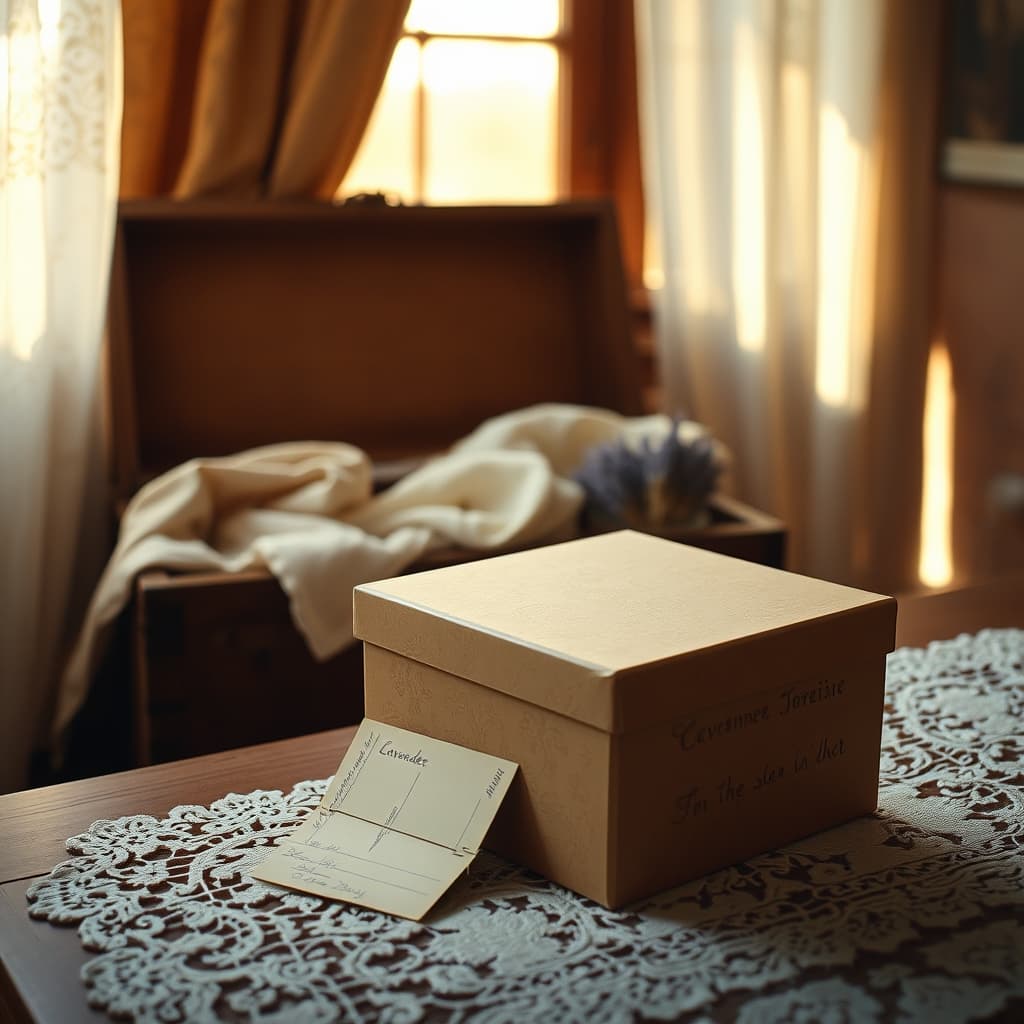
In the quietest corner of an old house, inside a room that smells of lavender and soap, lies a world built on anticipation. This is the dowry room—a space where time flows differently, suspended between the dreams of youth and the realities of tomorrow. At the heart of this room, resting inside a dark wooden chest, is a vintage silk scarf box. It is not merely a container of cardboard and faded paper; it is a vessel of patience. For years, it has waited, shaping the daily rhythms of home life with its silent presence, holding a quiet promise of a future yet to be written.
The Fragrant Sanctuary of the Dowry Chest
In traditional Turkish culture, the dowry room is a sanctuary of transition. Every lace tablecloth, every embroidered towel, and every hand-woven sheet placed inside the chest represents a step toward a new life. Among these treasures, the silk scarf box holds a sacred place. Wrapped in delicate tissue paper, the box preserves a pristine silk scarf, untouched by the dust of the outside world.
The act of opening the chest to air out its contents became a sacred ritual of domestic life. Once a month, the mother and daughter would lift the heavy wooden lid, releasing the sweet aroma of dried lavender and cloves. The silk scarf box would be gently lifted, dusted with a soft cloth, and admired. This simple act was not just about preservation; it was a quiet ceremony of hope, a moment where the family connected over shared dreams of the future.
A Secret Written on the Back of a Postcard
There is a peculiar mystery to this box, much like a vintage postcard discovered in the chaotic depths of a bustling historical bazaar. Imagine walking through the crowded, sun-drenched corridors of Istanbul’s Grand Bazaar, surrounded by the clamor of merchants and the scent of spices. Among piles of old books and brass trinkets, you find a faded postcard. On its back, a short, handwritten note from decades ago whispers a secret of love or longing.
The silk scarf box carries that exact same energy. It is a quiet whisper hidden within the loud, chaotic rush of life. Though purchased from a crowded market stall amidst the shouts of sellers and the rustle of shopping bags, once it crossed the threshold of the home, it shed its commercial identity. It became an intimate secret, a personal postcard addressed to the future, waiting patiently in the dim light of the dowry room.
Shaping the Rhythms of Daily Life
This waiting did not just exist in a vacuum; it actively shaped the daily life of the household. The presence of the box influenced how the women of the house interacted with their space. It taught patience in an era that was beginning to rush. The careful folding of fabrics, the selection of matching threads, and the slow, deliberate pace of preparing the dowry created a meditative rhythm in the home.
The silk scarf box was a physical anchor for these rituals. It reminded everyone that the best things in life require time, care, and preparation. It stood as a counterweight to the fleeting nature of the outside world, proving that beauty is something to be preserved, respected, and unveiled only when the perfect moment arrives.