 Eski Pano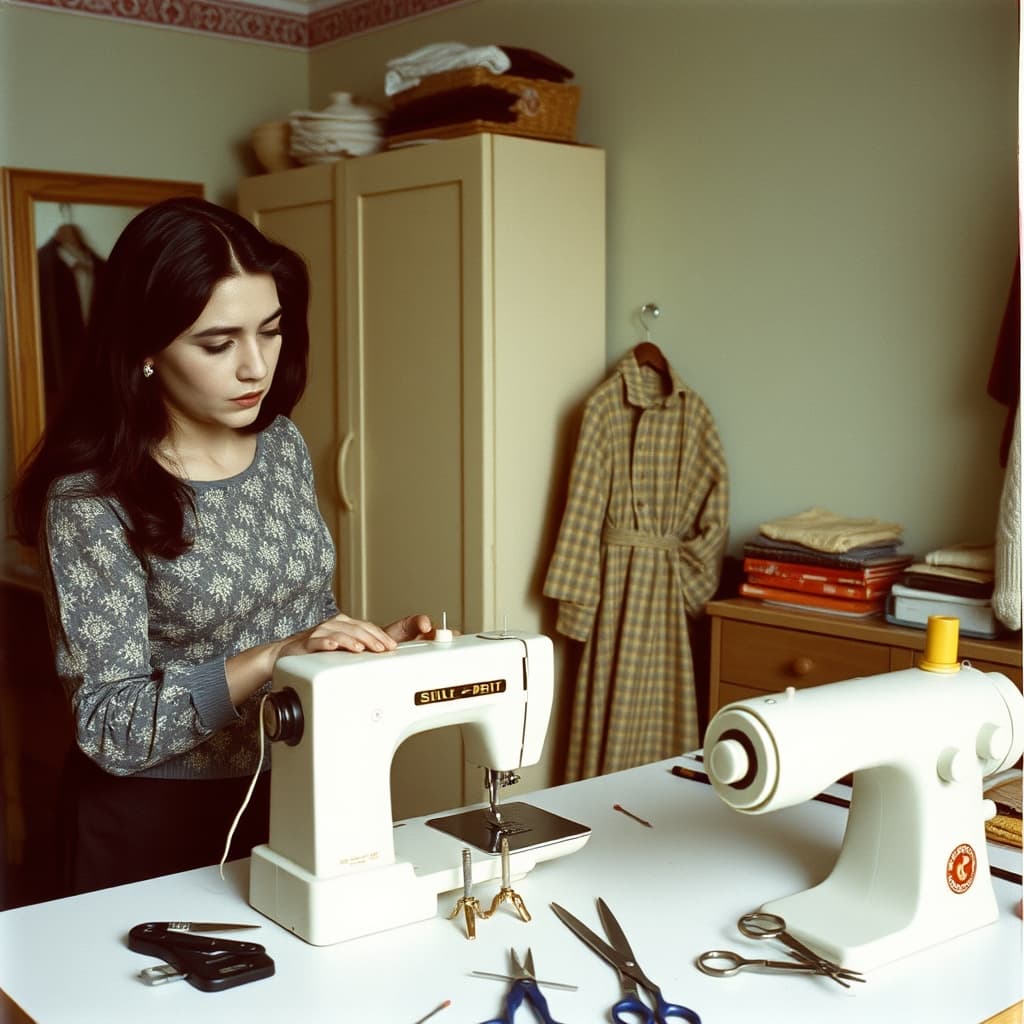
A home needing a hem, repair, or holiday outfit often knew which neighbour to visit. Fabric crossed the landing in a folded bundle, measurements were discussed over tea, and a deadline was negotiated around family responsibilities. Trust grew because the work happened nearby and the maker understood both the garment and the household occasion. That familiarity turned one room into an informal workshop.
The arrangement varied from reciprocal favour to paid home business, apprenticeship, or occasional help. Some neighbours were trained tailors or dressmakers; others learned within families, courses, factories, or repeated practice. Calling every job a friendly favour can hide professional skill and income. Receipts, pattern books, machines, labels, photographs, and testimony help identify the scale of work.
A Fitting Required Technical and Social Judgement
The sewer examined grain, seam allowance, wear, lining, fasteners, drape, and whether the requested alteration was possible. A shortened hem could change balance; taking in a garment might affect pockets, zips, or movement. Honest advice included refusing a change that would damage fabric, restrict breathing, or produce a result unlike the customer's expectation.
Fittings also involved bodies and privacy. Measurements, pins, changing clothes, mirrors, comments about size, and family opinions could make a customer vulnerable. Consent, a private space, respectful language, and the right to stop matter. Children need a trusted caregiver and age-appropriate fitting. Skill should never authorise humiliating remarks about shape or weight.
Holiday Deadlines Concentrated the Labour
Before a celebration, several households might arrive with dresses, trousers, curtains, tablecloths, or children's clothes. The sewer planned order, purchased thread and notions, marked pieces, stitched, pressed, corrected, and waited for collection. Late fabric, changing measurements, and last-minute requests increased pressure. Domestic caregiving continued beside the machine.
Fair exchange could involve money, food, childcare, another service, or a clearly agreed gift. Informal payment should not make the worker's time invisible. Price depends on complexity, materials, fitting, urgency, machine use, and revision. Written expectations about deadline, cost, fabric risk, and additional work protect friendship as well as business.
The Home Workshop Needed Safety
Sewing machines contain fast needles, moving belts, motors, electrical parts, and pinch points. Cords, plugs, lights, guards, and foot controls require maintenance. Needles, pins, scissors, irons, cords, and small buttons must be stored away from children and animals. Good seating, lighting, breaks, ventilation, and noise control reduce strain.
Pressing introduces heat and steam hazards, while textile dust and repeated posture affect lungs, eyes, neck, wrists, and back. A crowded holiday schedule should not justify unsafe speed or sleepless work. Home-based workers deserve the same respect for ergonomics, fire safety, rest, and fair conditions as a visible commercial workshop.
Repair culture extended garment life and preserved familiar fit, but not every textile could be saved. Brittle fabric, mould, contaminated workwear, unstable dyes, or severe structural damage may need specialist advice or disposal. A visible patch can be honest and attractive; invisible perfection is not the only measure of skill. Offcuts can be sorted for reuse without storing unsafe clutter.
A Digital Nostalgia Archive can connect garments with patterns, measurements, machines, thread cards, invoices, repair samples, holiday photographs, and voices from customers and makers. The sewing neighbour inspired trust because technical judgement, proximity, discretion, and repeated delivery met in one relationship. Preserving it means valuing warmth while naming professional labour, payment, privacy, body respect, machine safety, and the knowledge carried through each repaired seam.