Eski Pano
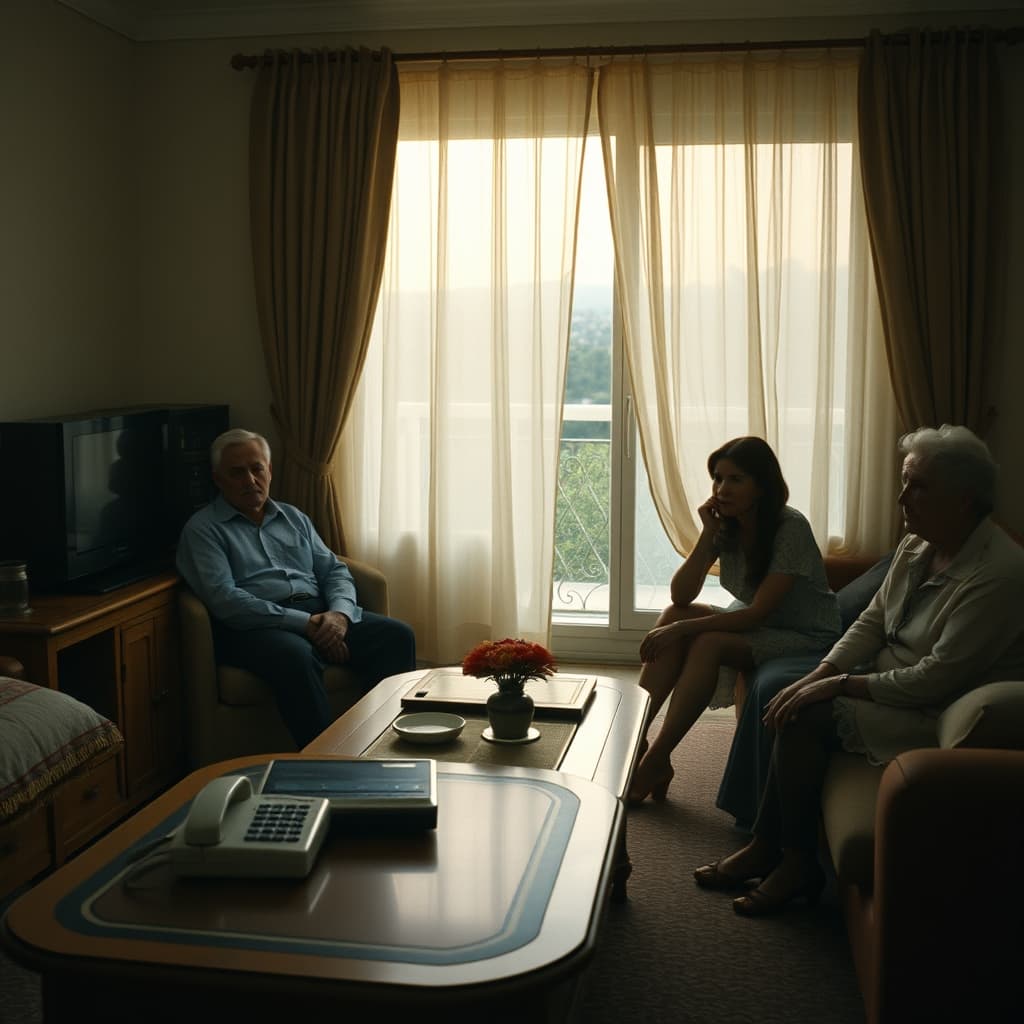
Some devices are remembered less for their sound than for the waiting they created, even when they stood in the middle of the home. The pager was one of them. Resting on a corner table in the living room, near the telephone, or inside a father's jacket pocket, that small device could suddenly place the household into a different order of attention whenever it beeped. Its screen was simple by today's standards, its tone short and insistent, yet for precisely that reason every alert mattered. Especially in the evening, when families were gathered in the sitting room, the television would be lowered a little and everyone would turn toward one another with the same expression: who could it be? Because the message was so brief, it seemed larger than itself. The pager fit both patience and suspense from the analog age into the palm of a hand.
From the perspective of technological heritage, the pager is one of the clearest tools of a transitional phase in communication history. It belongs neither fully to the slower order of the older world nor to today's idea of uninterrupted connection. Its importance lies in making the feeling of being reachable visibly present in daily life for the first time. For doctors, field workers, technicians, and people constantly on the move, the pager was not merely a device. It was a portable sign of responsibility. Yet what remained in urban memory was not only this practical function. For families living in the city, the pager became an object that modernized domestic waiting. By announcing news before the phone call but postponing the final conversation, it belonged to an in-between world that brought people closer while also creating a brief zone of tension.
The quiet excitement of families gathered in the living room was born partly from that sense of in-between time. A message arrived, the device was turned in the hand, the number was studied carefully, and then one usually moved toward the landline telephone. The entire process lasted only seconds, but it created a small scene inside the home. Children grew curious without fully understanding the screen, mothers tried to gauge the urgency from a person's tone, and if the balcony door was open, the breeze lifting the curtain slightly could make that short alert alter the atmosphere of the whole room. That is why wind-catching balconies are not a random detail. They complete the domestic scene of the period. In many homes, the return call after the pager message happened either by the living-room telephone or in a quieter corner near the balcony. Technology was shaping space as well.
The excitement that made the pager unforgettable came from a form of communication that now seems slow beside today's speed. It did not say everything at once. It simply called. The brevity of the message gave the receiver the responsibility to interpret, to guess, and to act quickly. Here the engineering logic of the analog age becomes visible: a small screen, economical characters, limited but dependable signal, and design attentive to battery life. The device itself was modest, but the emotional effect it produced was large. For that reason the pager remained in city life not only as a professional accessory, but as a symbol of tension and care that settled into common memory. The family waiting in the living room and the world of work outside met at the two ends of the same device.
When we think today about why the pager is still remembered with such fine nostalgia, the answer lies partly in the intensity created by incomplete information. No notification swallowed the whole of life, yet for a brief instant it gathered everyone's attention into one point. Family members read one another's faces, and together sensed not only who might be calling, but what kind of importance was approaching. It settled gently into urban memory for that reason: because the technology shaped not only the screen, but also domestic behavior, balcony conversations, and evening sitting rituals. The pager may no longer be around, but the moment when the television volume dropped and a quiet curiosity filled the room still remains in memory as one of the analog age's unforgettable thrills.
The Quiet Excitement of Families Gathered in the Living Room and the Pager Device: Telling the Unforgettable Thrill of the Analog Age by Settling Gently into Urban Memory on Wind-Catching Balconies