 Eski Pano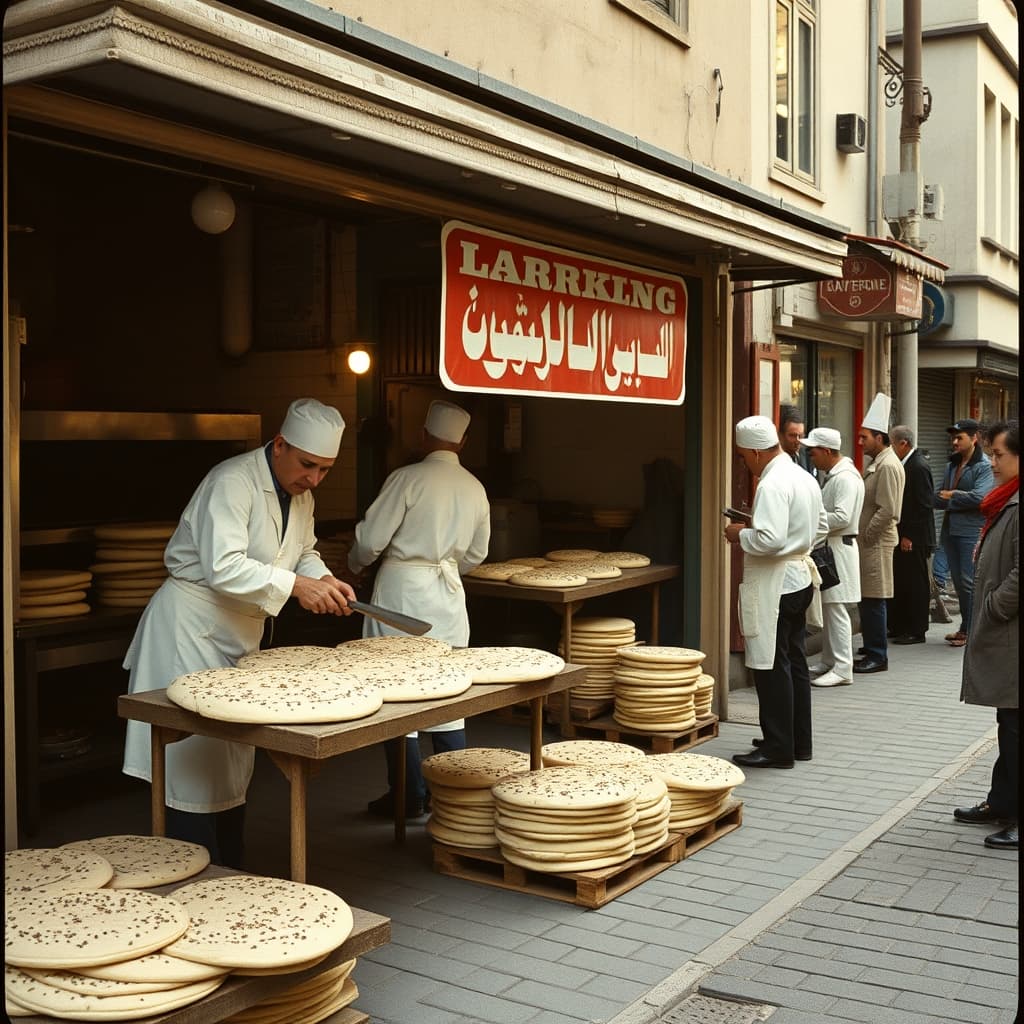
Fresh Ramadan pide could fill a home with aroma because the bakery and the iftar table were working toward the same sunset. Dough had to ferment, be divided, patterned, topped, baked, counted, and sold close enough to serving time to retain its crust and warmth. The loaf carried not only flavour but the achievement of synchronising production with a daily religious and household schedule.
Ramadan pide varies by bakery, city, flour, hydration, fermentation, size, shape, topping, oven, and period. Some formulas use yeast, sourdough, milk, yoghurt, egg wash, or other enrichments; sesame and nigella may appear in different combinations. A responsible archive records the actual baker, ingredients, method, date, oven, yield, and local terminology rather than naming one recipe universal.
Fermentation Had to Meet a Fixed Deadline
Yeast activity depends on temperature, time, flour, water, salt, sugar, fat, and dough handling. A bakery planned backwards from peak sales and sunset while accounting for room heat and oven capacity. Dough ready too early could overproof; dough ready late created queues and rushed work. Skilled judgement translated changing conditions into a reliable batch.
Shaping required wet or oiled hands, even thickness, and a distinctive grid or border pressed without deflating the dough. Toppings needed consistent distribution. The pattern was functional as well as visual: it influenced expansion, tearing, and portioning. Repeated marks came from trained movement, not decorative instinct alone.
The Queue Reflected Oven Capacity
As iftar approached, customers wanted bread from the latest bake. Each oven held a limited number, and loading, baking, unloading, cooling, and packing took time. Numbered orders, advance reservations, purchase limits, clear prices, and accurate waiting information could reduce conflict. A long queue was evidence of timing pressure as much as popularity.
Queues should not block pavements, ramps, tactile routes, neighbouring shops, traffic visibility, or emergency access. Fasting customers, older people, disabled customers, parents with children, and workers in a hurry may need seating, orderly service, or collection arrangements. Heat, crowding, and frustration require staff planning and respectful communication.
The Aroma Came from a Long Labour Chain
Millers, flour suppliers, yeast producers, seed growers, delivery workers, mixers, shapers, oven workers, counter staff, cleaners, and household members all contributed. Bakery shifts often began early and intensified before sunset. Heat, flour dust, heavy trays, burns, repetitive movement, and time pressure shaped the workers' Ramadan experience.
Ovens, gas or electrical systems, ventilation, peels, trays, guards, protective equipment, clear floors, and fire controls must be maintained. Flour dust needs occupational attention. Customers should remain outside production zones, and children should not approach hot racks. Heritage appearance never excuses unsafe equipment or overcrowded work.
Bread should be protected from dust and handling, packed without trapping excessive condensation while hot, and cooled or stored under food-safety guidance. Wheat and gluten are central allergens; sesame is a major allergen, while milk, yoghurt, egg, soy, or shared equipment may add others. Ingredient information must match the real batch.
A Digital Nostalgia Archive can connect Ramadan pide with recipes, fermentation records, flour sacks, stamps or hand patterns, oven plans, order slips, queues, price lists, worker rosters, and family tables. The aroma filled the house because a large production system met a precise domestic moment. Preserving it means keeping appetite beside fermentation skill, queue fairness, bakery labour, fire and food safety, allergen accuracy, and respect for the many ways families observe Ramadan.