 Eski Pano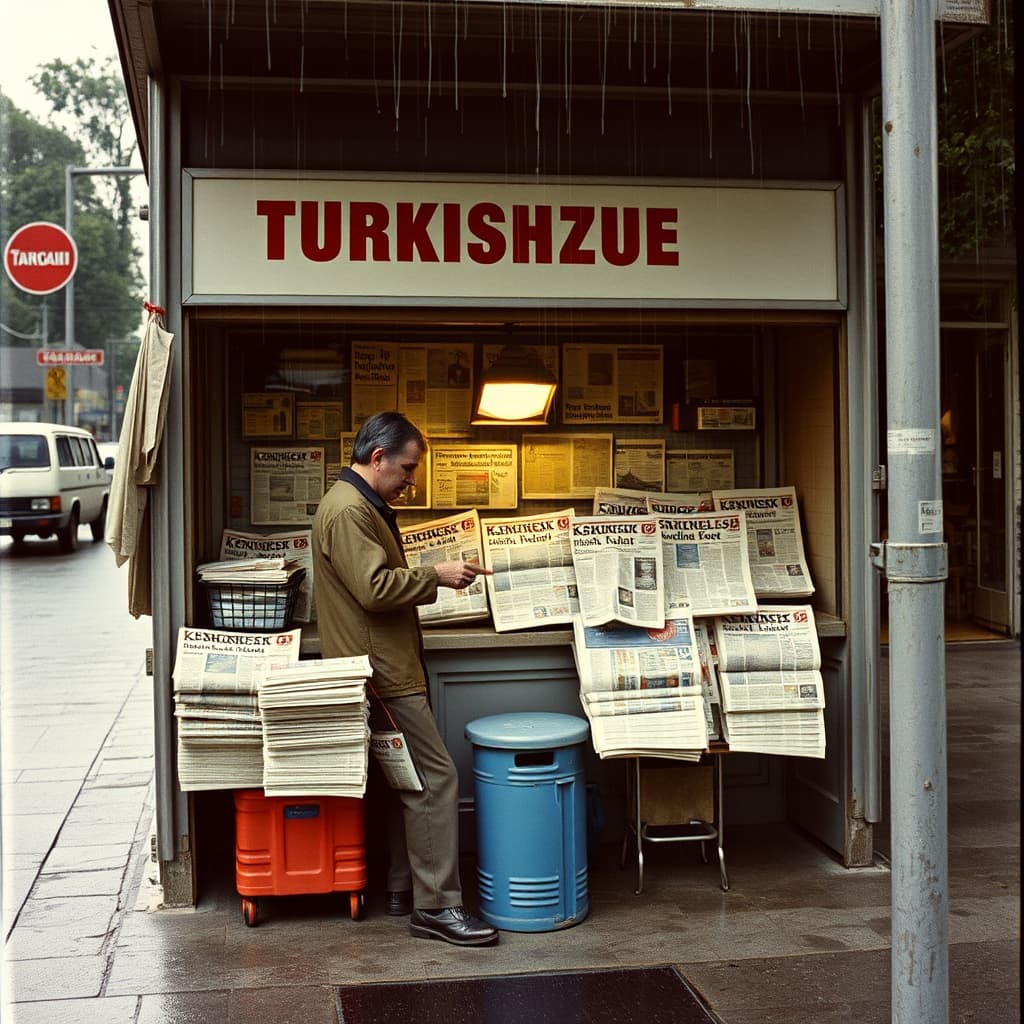
Before a neighbourhood kiosk could open a fresh newspaper across its counter, a tightly timed distribution chain had already worked through the night. Editors closed pages, presses produced different editions, dispatch rooms counted copies, drivers followed routes, and vendors received bundles while most customers were still asleep. The familiar morning display was therefore the visible end of an industrial and logistical process, not simply a picturesque street habit.
The route differed by city, newspaper, date, edition, political conditions, transport network, and sales agreement. A metropolitan daily with several print runs did not travel like a small regional paper. Kiosks, mobile sellers, grocery shops, railway stands, and subscription carriers also served different readers. Delivery sheets, route books, invoices, photographs, surviving bundles, oral testimony, and press archives are needed before one memory becomes a general account.
The Printing Deadline Started the Street Clock
A newspaper had to decide when reporting would stop for each edition. Late sports results, election counts, breaking news, weather, or a technical fault could delay the press and compress the time available for delivery. Plates, paper rolls, ink, folding machinery, and loading crews all had to be ready. A headline seen at breakfast depended on many decisions made hours earlier under deadline pressure.
Large press runs were separated into labelled bundles for routes, districts, agents, or individual sellers. Counting mattered because a shortage meant lost sales while an excessive allocation produced costly returns. Supplements, coupons, weekend sections, or special editions changed the weight and packing. Records should distinguish copies printed, dispatched, received, sold, damaged, returned, and pulped; these figures describe different stages rather than one circulation total.
Night Transport Turned Print into Availability
Vans, lorries, trains, buses, ferries, bicycles, and handcarts could all carry newspapers over part of the route. Drivers worked in darkness, poor weather, and narrow delivery windows. Fuel shortages, road closures, strikes, mechanical breakdowns, or missed connections affected which neighbourhood received news first. The geography of distribution could reinforce inequality when central or wealthier districts were easier to supply than remote streets.
Bundles needed protection from rain, snow, mud, dust, and tearing without being sealed in ways that trapped damaging moisture. Pavements and doorways were not safe permanent storage. Modern reenactments should not place heavy bundles where they block ramps, tactile paths, shop entrances, or emergency access. Manual handling also matters: repeated lifting and hurried unloading could injure shoulders, backs, hands, or feet.
The Vendor Managed Risk as Well as Conversation
The kiosk operator checked quantities, arranged titles, handled small change, answered regular customers, watched unsold stock, and prepared returns. Prominent placement could reflect demand, commercial agreements, political pressure, or the vendor's judgement. The front page facing the street was a selection, not a neutral picture of everything available. Some publications might be restricted, delayed, hidden, or absent altogether.
Selling on credit to trusted neighbours, reserving a title, or reading headlines aloud could make the kiosk socially important, yet access was uneven. Price, literacy, language, disability, working hours, gendered street customs, and censorship affected who could use the news. Nostalgia for a shared morning should include people who relied on radio, borrowed copies, workplace papers, or oral summaries because the kiosk did not serve them.
Returned copies are especially valuable evidence. They show that supply did not guarantee reading and that the vendor carried commercial uncertainty. Unsold newspapers might be credited, reused as wrapping, sold as waste paper, archived, or destroyed according to local practice. Reuse should not be romanticised without checking ink transfer, food-contact hygiene, privacy, and the documentary value of an intact issue.
A Digital Nostalgia Archive can connect a kiosk photograph with press schedules, bundle labels, vehicle routes, delivery notes, sales ledgers, return rules, weather reports, worker interviews, and the exact editions displayed. The morning newspaper reached the neighbourhood because coordinated labour converted a deadline into physical availability. Preserving that chain keeps the street scene beside industrial work, transport risk, unequal access, editorial power, commercial uncertainty, and the people who made news arrive before breakfast.