🇹🇷 Türkçe | pikap günleri: salonda toplanan ailelerin sessiz heyecanı ile büyüyen bir alışkanlık neden unutulmadı çarşı kalabalığının içinde bir posta kartının arkasında saklıymış gibi
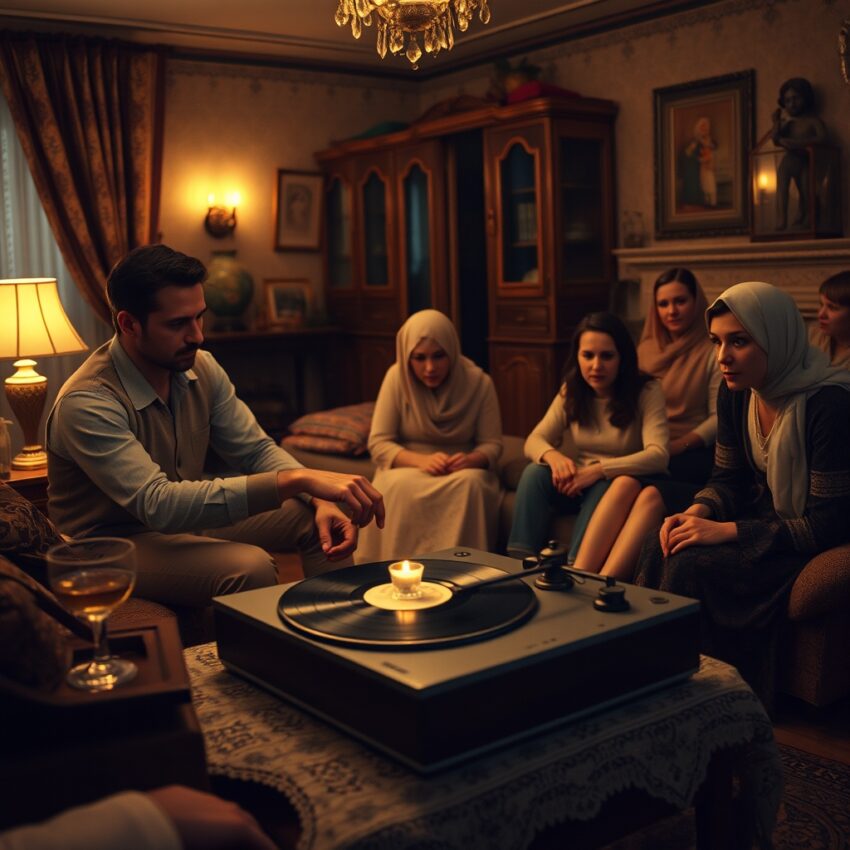
Bir zamanlar akşamüstü yaklaşırken salonlarda küçük ama çok belirgin bir hazırlık başlardı. Sehpanın üzeri toparlanır, dantel örtü hafifçe düzeltilir, koltukların yönü sanki fark edilmeden aynı merkeze dönerdi. O merkezin adı çoğu evde pikaptı. Ailenin en dikkatli eli plağı kılıfından çıkarır, kenarlarından tutarak çevirir, iğnenin yerine oturacağı anı neredeyse nefesini tutarak beklerdi. Müzik başladığında kimse yüksek sesle konuşmaz, ama odanın içindeki herkes aynı dikkatle o sese yönelirdi. Salonun ortasında büyüyen şey yalnız bir şarkı değil, birlikte dinlemenin terbiyesiydi. Sessiz heyecan dediğimiz duygu tam da buydu: herkesin ayrı ayrı etkilenip aynı anda aynı havaya girmesi.
Teknoloji Mirası açısından bakıldığında pikap, müziği eve getiren bir cihazdan fazlasıydı. O, sesin maddi olduğu bir çağın simgesiydi. Plağın yüzeyi, kapağındaki fotoğraf, iğnenin hassaslığı, devrin doğru seçilmesi ve arada çıkan hafif çıtırtı, dinleme deneyimini yalnız işitsel olmaktan çıkarırdı. Bugün müzik görünmeden akarken, o yıllarda şarkıya ulaşmak fiziksel bir dikkat gerektirirdi. Plağı silmek, çizilmesin diye özen göstermek, şarkı bitince kolu kaldırmak ve bazen aynı parçayı tekrar dinlemek, teknolojiyi aile hayatının törenli bir parçası yapardı. Bu yüzden pikap günleri, sadece geçmiş bir eğlence biçimi değil; mekanik sabırla duygusal yoğunluğun birleştiği bir ev içi kültür olarak hatırlanır.
Salonlarda toplanan ailelerin bu alışkanlığı unutulmayan bir şeye dönüştürmesinin sebebi, müziğin orada tek kişilik değil toplu yaşanmasıydı. Kimi evde baba sevdiği sanatçıyı tanıtır, kimi evde anne çocukluğundan bildiği bir şarkıya eşlik eder, kimi zaman çocuklar kapaktaki görselleri merakla incelerdi. Çay fincanlarının usulca bırakıldığı, perdelerin dışarıdaki akşamı süzdüğü, misafir geldiyse sesin biraz daha açıldığı bu anlar, salonu sıradan bir odadan çıkarıp hafızalı bir mekâna çevirirdi. Pikap çalışırken evdeki zaman bile başka akar gibi olurdu. Kimse acele etmez, şarkının ortasında kalkıp gitmek ayıp sayılır, iğnenin ucundaki ses odadaki herkesi görünmez bir dairede toplardı.
Çarşı kalabalığının içinde bir posta kartının arkasında saklıymış gibi benzetmesi, bu hatıranın niçin bugün hâlâ canlı olduğunu iyi anlatır. Çünkü pikap günleri çoğu zaman yalnız evde değil, dışarıdaki hayatın devamı olarak yaşanırdı. Yeni plak çarşıdan alınır, dükkân vitrininde uzun uzun bakılır, bazen hediye kâğıdına sarılır, bazen eve dönene kadar poşetin içinde özel bir şey taşınıyormuş hissi verirdi. Posta kartının arkası nasıl kısa ama yoğun bir duygu saklarsa, pikaplı akşamlar da gündelik hayatın kalabalığı içinde böyle bir birikim taşırdı. Şehrin gürültüsü kapının dışında kalır, içeride iğnenin plağa değdiği o ince sesle daha derin bir zaman açılırdı.
Bugün müzik çok daha erişilebilir, ama aynı ölçüde tutulabilir değil. Belki de pikap günlerinin unutulmamasının asıl nedeni budur. O yıllarda müzik, parmak izi bırakan bir nesneyle birlikte gelirdi; aile üyeleri şarkıyı değil, aynı zamanda o şarkıya hazırlanma biçimini de paylaşırdı. Salonda toplanan ailelerin sessiz heyecanı, teknolojiyle insan arasındaki daha yavaş ve daha hürmetli ilişkinin örneklerinden biridir. Pikap günleri bu yüzden hâlâ bir posta kartının arkasında saklı kalan eski bir not gibi hatırlanır: kısa görünse de açıldığında içinden koca bir evin sesi, ışığı ve birlikte olma hissi çıkar.
🇬🇧 English | Record Player Days: Why Was a Habit That Grew with the Quiet Excitement of Families Gathering in the Living Room Never Forgotten, as if Hidden on the Back of a Postcard in the Crowd of the Bazaar
There was a time when, as evening approached, a small yet unmistakable preparation began in living rooms. The coffee table would be tidied, the lace cover lightly straightened, and the chairs would seem to turn toward the same center without anyone mentioning it. In many homes that center was the record player. The most careful hand in the family took the record from its sleeve, held it by the edges, and waited almost without breathing for the moment when the needle would settle into place. Once the music began, no one spoke loudly, yet everyone in the room leaned toward the sound with the same attention. What grew in the middle of the living room was not only a song, but the discipline of listening together. That quiet excitement meant exactly this: each person being moved in a private way while entering the same atmosphere at the same time.
Seen as technological heritage, the record player was more than a machine that brought music into the home. It was a symbol of an age when sound still had substance. The surface of the record, the photograph on the sleeve, the delicacy of the needle, the choice of the correct speed, and the faint crackle heard now and then kept the listening experience from being merely auditory. Today music flows without being seen, but in those years reaching a song required physical care. Dusting the record, protecting it from scratches, lifting the arm when the track ended, and sometimes playing the same piece again turned technology into a ceremonial part of family life. For that reason record player days are remembered not only as an old form of entertainment, but as a domestic culture in which mechanical patience and emotional intensity met each other.
The reason this habit remains unforgettable is that music there was experienced collectively rather than alone. In some homes the father introduced a favorite singer, in others the mother softly joined a song she had known since childhood, and children often studied the cover art with curiosity. Teacups were set down quietly, curtains filtered the evening outside, and if guests had come the volume was raised a little more. Such moments turned the living room from an ordinary room into a place full of memory. While the record player was running, even time inside the house seemed to flow differently. No one hurried, leaving in the middle of a song felt impolite, and the sound carried by the needle gathered everyone in the room into an invisible circle.
The comparison to something hidden on the back of a postcard in the crowd of the bazaar explains well why this memory remains alive today. Record player evenings were often connected to life outside the home. A new record was bought in the bazaar, admired for a long time in the shop window, sometimes wrapped like a gift, and carried home with the feeling that something special rested inside the bag. Just as the back of a postcard can hold a brief yet concentrated feeling, these evenings held such density inside the bustle of daily life. The noise of the city remained outside the door, and inside, with the fine sound of the needle touching the record, another, deeper time opened.
Today music is far more accessible, yet not as tangible. Perhaps that is the real reason record player days were never forgotten. In those years music arrived together with an object that could keep fingerprints; family members shared not only the song, but also the manner of preparing for it. The quiet excitement of families gathered in the living room is one of the clearest examples of a slower, more respectful relationship between people and technology. That is why record player days are still remembered like an old note hidden on the back of a postcard: it looks small, yet when unfolded it releases the sound, the light, and the feeling of togetherness of an entire home.
🇧🇷 Português (Brasil) | Dias do Toca-discos: Por Que um Hábito que Cresceu com a Excitação Silenciosa das Famílias Reunidas na Sala Nunca Foi Esquecido, Como se Estivesse Escondido no Verso de um Cartão-postal no Meio da Multidão do Bazar
Houve um tempo em que, quando o fim da tarde se aproximava, uma pequena mas nítida preparação começava nas salas de estar. A mesa de centro era arrumada, a toalha de renda era ajeitada de leve e as poltronas pareciam se virar para o mesmo centro sem que ninguém precisasse dizer nada. Em muitas casas, esse centro era o toca-discos. A mão mais cuidadosa da família tirava o disco da capa, segurava pelas bordas e esperava quase sem respirar o instante em que a agulha tocaria seu lugar. Quando a música começava, ninguém falava alto, mas todos dentro do cômodo se voltavam para aquele som com a mesma atenção. O que crescia no meio da sala não era apenas uma canção, mas a disciplina de ouvir junto. Era exatamente isso a excitação silenciosa: cada pessoa ser tocada à sua maneira e, ao mesmo tempo, entrar na mesma atmosfera.
Pela perspectiva do patrimônio tecnológico, o toca-discos era mais do que um aparelho que levava música para dentro de casa. Ele simbolizava uma época em que o som ainda tinha matéria. A superfície do disco, a foto na capa, a delicadeza da agulha, a escolha da rotação certa e o leve chiado que surgia de vez em quando impediam que a experiência fosse apenas auditiva. Hoje a música corre sem ser vista, mas naqueles anos alcançar uma canção exigia atenção física. Limpar o disco, evitar riscos, levantar o braço quando a faixa terminava e às vezes ouvir a mesma música de novo transformavam a tecnologia numa parte cerimonial da vida familiar. Por isso os dias do toca-discos são lembrados não só como uma forma antiga de diversão, mas como uma cultura doméstica em que a paciência mecânica se encontrava com a intensidade emocional.
O motivo de esse hábito continuar inesquecível é que ali a música era vivida coletivamente, e não de forma solitária. Em algumas casas o pai apresentava o cantor preferido, em outras a mãe acompanhava baixinho uma canção conhecida desde a infância, e as crianças observavam com curiosidade as imagens da capa. As xícaras de chá eram pousadas com cuidado, as cortinas filtravam a noite do lado de fora e, se havia visita, o volume subia um pouco mais. Esses momentos transformavam a sala num espaço carregado de memória. Enquanto o toca-discos funcionava, até o tempo da casa parecia correr de outro modo. Ninguém tinha pressa, levantar-se no meio da música parecia falta de educação, e o som conduzido pela agulha reunia todos num círculo invisível.
A comparação com algo escondido no verso de um cartão-postal no meio da multidão do bazar explica bem por que essa lembrança continua viva. Muitas vezes as noites de toca-discos começavam fora de casa. Um disco novo era comprado no centro, admirado por muito tempo na vitrine da loja, às vezes embrulhado como presente e levado até em casa com a sensação de carregar algo especial na sacola. Assim como o verso de um cartão-postal guarda um sentimento breve mas intenso, essas noites guardavam uma densidade parecida no meio da correria cotidiana. O ruído da cidade ficava do lado de fora, e dentro de casa, com o som fino da agulha tocando o disco, abria-se um tempo mais fundo.
Hoje a música é muito mais acessível, mas menos palpável. Talvez seja esse o verdadeiro motivo de os dias do toca-discos não terem sido esquecidos. Naqueles anos a música chegava acompanhada por um objeto capaz de guardar impressões digitais; os membros da família partilhavam não apenas a canção, mas também o modo de se preparar para ouvi-la. A excitação silenciosa das famílias reunidas na sala é um dos exemplos mais claros de uma relação mais lenta e respeitosa entre as pessoas e a tecnologia. Por isso os dias do toca-discos ainda são lembrados como um bilhete antigo escondido no verso de um cartão-postal: parece pequeno, mas ao ser aberto solta o som, a luz e o sentimento de estar junto de uma casa inteira.