Eski Pano
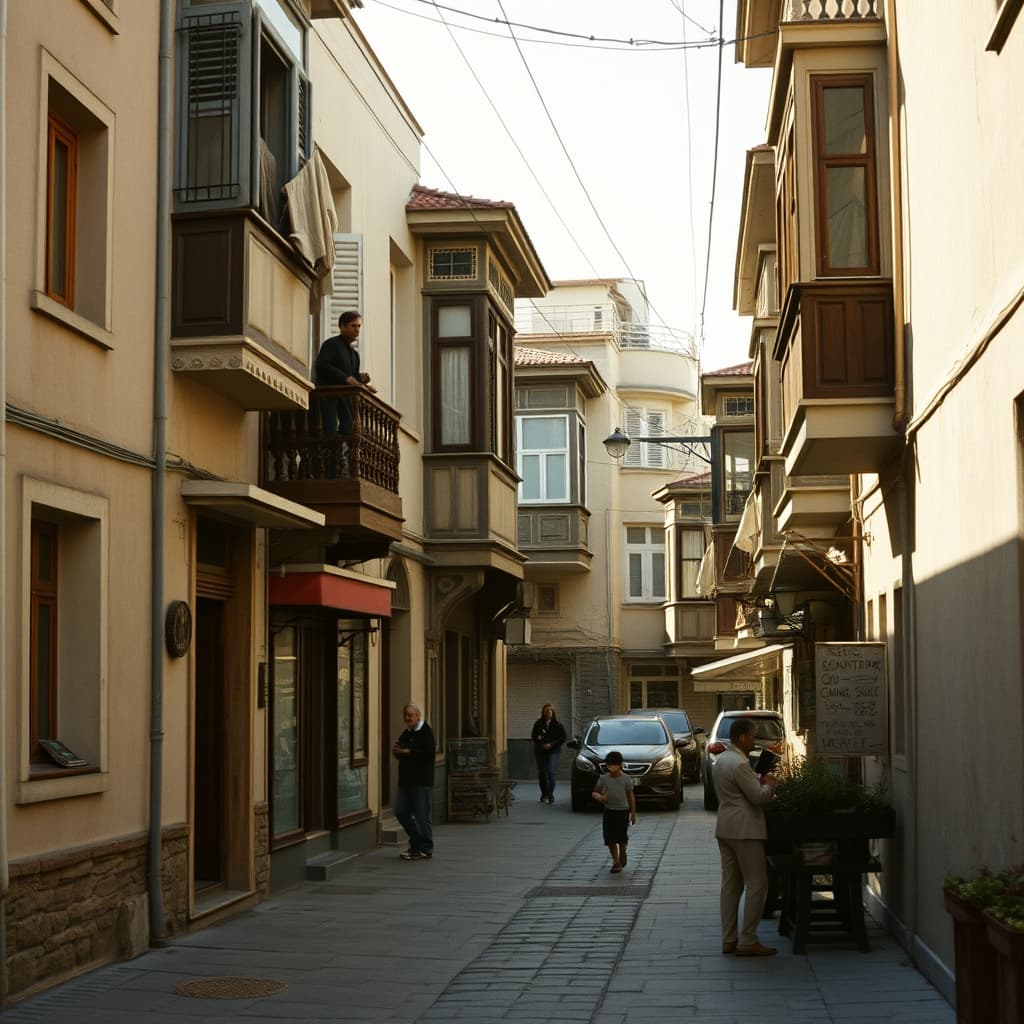
There was once, on the first true Sundays of spring, a feeling of preparation in the streets even before people stepped outside. Freshly washed cloths hanging from balconies moved lightly in the breeze, cool morning air entered through open windows, and the edges of the pavements had already been swept clean. Neighborhood shopkeepers raised their shutters halfway, the simit seller passed by a little earlier than usual, and children watched the street from the windows trying to guess when the family would finally leave the house. Preparing for a Sunday outing was never only the work of the home; the street joined that rhythm as well, becoming tidier, slower, and somehow gathered within itself as if to welcome the day together. At the beginning of spring, the street turned into a shared home through precisely this invisible harmony.
Within the culture of the neighborhood, one of the most striking qualities of old streets was the way they softened the boundary between private life and public life. When someone stepped out of the house, they did not enter an entirely different world, but rather a widened zone of familiarity. A child adjusting shoes at the doorstep, the shopkeeper sprinkling water in front of the grocery, a neighbor calling from the window, and the almost-kin faces encountered along the way kept the street from being a mere passage. Before Sunday family outings, this common life became even more visible. Who was going where, which child had new shoes, what one mother had packed into the picnic basket: all of this belonged to the street's quiet knowledge. In that way, the street became the middle ground of living together without entirely leaving the intimacy of home behind.
The beginning of spring strengthened this feeling more than any other seasonal threshold. Life drawn indoors during winter moved back toward the doorway with the first mild days; chairs were carried outside, apartment entrances stayed open longer, and children's voices multiplied before noon. Streets preparing for Sunday family outings were therefore not simply routes, but scenes of vitality shared by the whole neighborhood. In one home hair was being combed, in another a thermos was being filled; at one corner fathers were shaking out jackets, while elsewhere a stroller was being carried downstairs. No one fully knew the plans of the entire neighborhood, yet everyone belonged to the same seasonal feeling. The street ceased to be the empty space outside separate homes and became a shared domestic atmosphere woven from sounds, glances, greetings, and simultaneous preparation.
When we think of those streets today, what returns is often less the road itself than the web of relations it carried. A Sunday family outing also contained a neighborhood order that began before anyone had even set off. The street produced a sense of trust by making people visible to one another; it was a play area for children and a light field of human contact for adults. It is no accident that this feeling grew stronger at the beginning of spring. As the season changed, people opened themselves outward and joined the shared breath of the street. For that reason, in old neighborhoods the street was never only stone, walls, and pavement, but the livable measure of daily life in common. The streets preparing for Sunday family outings remind us today how graceful and how deeply human the idea of public space can become when it turns into a shared home.
Streets Preparing for a Sunday Family Outing at the Beginning of Spring: How Did They Turn the Street into a Shared Home?