
Olive Oil Artichokes and the Culture of Sharing: How an Old Kitchen Tradition Still Opens the Pages of Forgotten Calendars

🇹🇷 | Zeytinyağlı Enginar: Bir Dönemin Paylaşma Kültürünü Nasıl Taşıyor Ve Eski Mutfak Kültürünü Nasıl Yaşatıyor Bayram Hazırlığının İçinde Eski Takvim Yapraklarını Aralayarak

🇵🇹 | Alcachofras Ao Azeite e a Cultura da Partilha: Como uma Tradição de Cozinha Antiga Ainda Abre as Páginas de Calendários Esquecidos
Olive Oil Artichokes and the Culture of Sharing: How an Old Kitchen Tradition Still Opens the Pages of Forgotten Calendars

🇬🇧 Olive Oil Artichokes and the Quiet Memory of Holiday Kitchens

The Morning Light on the Kitchen Table

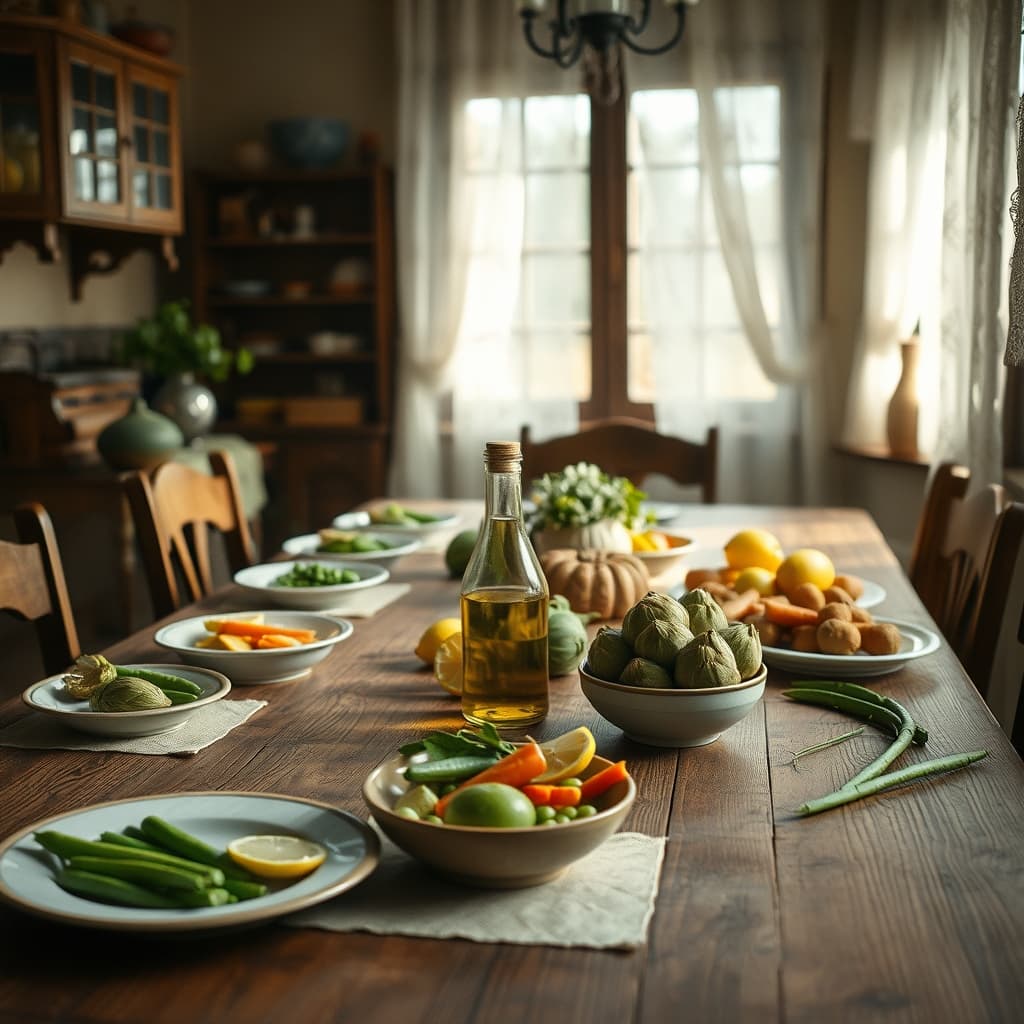
There was a certain hour in old holiday kitchens when the house seemed to hold its breath. The table was cleared, the good plates waited in a cupboard that smelled faintly of soap and wood, and someone placed a bowl of lemon water beside a small mountain of fresh artichokes. Olive oil artichokes were never only a dish. They were a sign that preparation had begun, that guests were expected, and that the kitchen had become the heart of the house long before anyone sat down to eat. In many homes, the work started slowly. Outer leaves were trimmed, the pale hearts were protected from darkening, carrots and peas were cut with patient hands, and the olive oil was poured as if it carried both flavor and blessing. The dish had a calmness that suited holiday mornings. It did not shout from the table. It waited, cooled, rested, and became more beautiful with time.

A Dish Built on Patience

The memory of olive oil artichokes belongs to a kitchen culture where speed was not the measure of care. Food was prepared ahead, shared later, and remembered for years. The cook knew that some flavors needed silence. Artichokes softened slowly. Vegetables released their sweetness. Lemon sharpened the edges. Olive oil gathered everything into a gentle brightness. This was practical wisdom as much as taste. A holiday table could be crowded, and dishes that improved while resting were precious. They allowed the host to welcome people without panic. A plate of artichokes could be placed on the table with confidence, already complete, already carrying the freshness of spring and the elegance of old household order.

The Culture of Sharing on a Single Plate

What made the dish unforgettable was not only its flavor but also the way it moved through the house. A portion might be sent to a neighbor before the guests arrived. A small plate might be set aside for an elderly relative. Children learned that the prettiest pieces were not always taken first; sometimes they were offered. In that gesture, the dish became part of a larger etiquette of sharing. Old kitchens taught generosity through ordinary objects: a serving spoon, a covered plate, a tray carried carefully down the stairs. Olive oil artichokes fit naturally into that world. They were light enough for a spring table, refined enough for company, and familiar enough to belong to family memory. Their pale green and golden colors seemed to say that abundance did not need to be heavy.

Holiday Preparation and the Old Calendar

When people remember holiday preparations, they often recall not only the food but also the calendar that surrounded it. Market day, cleaning day, visiting day, cooking day: each had its place. The old calendar on the wall did not merely count dates; it organized anticipation. Turning its pages meant moving closer to a table where everyone would gather again. In that rhythm, olive oil artichokes marked a seasonal intelligence. They belonged to spring freshness, to careful shopping, to the habit of choosing vegetables by sight and touch. The dish carried the memory of markets where sellers knew their customers, of kitchens where recipes were not always written down, and of families who measured time through preparation rather than clocks.

Why the Taste Still Feels Familiar

The power of this dish lies in its quiet return. One bite can bring back the cool ceramic plate, the smell of dill, the brightness of lemon, and the voice of someone reminding everyone to wait until the guests arrive. It is a taste connected to manners, patience, and the idea that a table becomes meaningful when it includes others. Today, olive oil artichokes still preserve that old kitchen culture because they ask us to slow down. They remind us that some dishes are not designed for haste, that sharing can be built into preparation itself, and that the memory of a holiday may live not in the loudest moment but in the calm plate waiting at the edge of the table.

🇹🇷 Zeytinyağlı Enginarın Bayram Mutfağında Sakladığı Paylaşma Hafızası

Mutfak Masasına Düşen Sabah Işığı

Eski bayram mutfaklarında evin nefesini tuttuğu belli bir saat vardı. Masa toparlanır, iyi tabaklar sabun ve ahşap kokusu taşıyan dolapta bekler, birisi taze enginarların yanına limonlu su dolu bir kase koyardı. Zeytinyağlı enginar yalnızca bir yemek değildi. Hazırlığın başladığını, misafir beklendiğini ve daha kimse sofraya oturmadan mutfağın evin kalbi haline geldiğini anlatan sessiz bir işaretti. Pek çok evde iş ağır ağır başlardı. Dış yapraklar ayıklanır, enginarların kararmaması için özen gösterilir, havuçlar ve bezelyeler sabırlı ellerle hazırlanırdı. Zeytinyağı ise sanki yalnızca lezzet değil, evin bereketini de taşıyormuş gibi dökülürdü. Bu yemeğin bayram sabahlarına yakışan sakin bir hali vardı. Sofrada bağırmaz, kendini öne atmazdı. Bekler, soğur, dinlenir ve zaman geçtikçe güzelleşirdi.

Sabırla Kurulan Bir Lezzet

Zeytinyağlı enginarın hafızası, hızın değil özenin değer sayıldığı eski mutfak kültürüne aittir. Yemek önceden hazırlanır, sonra paylaşılır ve yıllar sonra bile hatırlanırdı. Evde yemeği yapan kişi bazı tatların sessizliğe ihtiyaç duyduğunu bilirdi. Enginar ağır ağır yumuşar, sebzeler tatlılığını bırakır, limon lezzeti diri tutar, zeytinyağı ise hepsini yumuşak bir parlaklıkta bir araya getirirdi. Bu yalnızca damak zevki değil, pratik bir ev bilgeliğiydi. Bayram sofrası kalabalık olabilirdi ve dinlendikçe güzelleşen yemekler ev sahibi için büyük kolaylıktı. Bir tabak zeytinyağlı enginar masaya telaşsızca konur, zaten tamamlanmış, zaten baharın tazeliğini ve eski ev düzeninin inceliğini taşıyan bir yemek olarak yerini alırdı.

Tek Tabakta Taşınan Paylaşma Kültürü

Bu yemeği unutulmaz yapan yalnızca tadı değil, evin içinde dolaşma biçimiydi. Misafirler gelmeden önce bir porsiyon komşuya gönderilebilir, küçük bir tabak yaşlı bir akraba için ayrılabilirdi. Çocuklar en güzel parçanın her zaman önce alınmadığını, bazen ikram edildiğini görerek öğrenirdi. İşte o anda zeytinyağlı enginar, paylaşma adabının bir parçasına dönüşürdü. Eski mutfaklar cömertliği sıradan eşyalarla öğretirdi: bir servis kaşığı, üstü kapatılmış bir tabak, merdivenlerden dikkatle indirilen bir tepsi. Zeytinyağlı enginar bu dünyaya doğal biçimde aitti. Bahar sofrası için hafif, misafir için zarif, aile hafızası için yeterince tanıdıktı. Açık yeşil ve altın renkleri, bolluğun mutlaka ağır olması gerekmediğini fısıldardı.

Bayram Hazırlığı ve Eski Takvim Yaprakları

Bayram hazırlıkları hatırlandığında yalnızca yemekler değil, onları çevreleyen takvim de akla gelir. Pazar günü, temizlik günü, ziyaret günü, yemek günü: her birinin yeri vardı. Duvara asılı eski takvim yalnızca tarihi göstermez, bekleyişi de düzenlerdi. Yaprakların çevrilmesi, herkesin yeniden toplanacağı sofraya biraz daha yaklaşmak demekti. Bu ritim içinde zeytinyağlı enginar mevsim bilgisi taşıyan bir yemekti. Baharın tazeliğine, dikkatli alışverişe, sebzeyi bakarak ve dokunarak seçme alışkanlığına aitti. Pazar esnafının müşterisini tanıdığı günleri, tariflerin her zaman yazıya dökülmediği mutfakları ve zamanı saatlerden çok hazırlıklarla ölçen aileleri hatırlatırdı.

Bu Tadın Hâlâ Tanıdık Gelmesinin Nedeni

Bu yemeğin gücü, sessizce geri dönebilmesindedir. Bir lokma, soğuk seramik tabağı, dereotunun kokusunu, limonun ferahlığını ve “misafirler gelsin de öyle başlayalım” diyen bir sesi geri getirebilir. Zeytinyağlı enginar; görgüyle, sabırla ve sofranın ancak başkalarıyla anlam kazandığı fikriyle bağlı bir tattır. Bugün hâlâ eski mutfak kültürünü yaşatmasının nedeni de budur. Bize yavaşlamayı, bazı yemeklerin acele için yapılmadığını, paylaşmanın daha hazırlık aşamasında başlayabileceğini hatırlatır. Bir bayramın hafızası bazen en gürültülü anda değil, masanın kenarında usulca bekleyen serin bir tabakta saklı kalır.

🇵🇹 Alcachofras Ao Azeite e a Memória Silenciosa das Cozinhas de Festa

A Luz da Manhã Sobre a Mesa da Cozinha

Nas antigas cozinhas de festa, havia uma certa hora em que a casa parecia prender a respiração. A mesa era liberada, os pratos bons esperavam no armário com um leve cheiro de sabão e madeira, e alguém colocava uma tigela de água com limão ao lado de um monte de alcachofras frescas. Alcachofras ao azeite nunca eram apenas um prato. Eram um sinal de que os preparativos tinham começado, de que visitas eram esperadas e de que a cozinha já era o coração da casa antes mesmo de alguém se sentar à mesa. Em muitas casas, o trabalho começava devagar. As folhas externas eram aparadas, os corações claros eram protegidos para não escurecer, cenouras e ervilhas eram preparadas com mãos pacientes. O azeite era derramado como se carregasse não só sabor, mas também uma espécie de bênção doméstica. O prato tinha uma calma própria das manhãs de festa. Não chamava atenção aos gritos. Esperava, esfriava, descansava e se tornava mais bonito com o tempo.

Um Sabor Construído Com Paciência

A memória das alcachofras ao azeite pertence a uma cultura de cozinha em que a rapidez não era a medida do cuidado. A comida era preparada antes, compartilhada depois e lembrada por muitos anos. Quem cozinhava sabia que alguns sabores precisavam de silêncio. A alcachofra amolecia aos poucos. Os legumes soltavam sua doçura. O limão mantinha o frescor. O azeite reunia tudo numa claridade suave. Isso era sabedoria prática, além de gosto. Uma mesa de festa podia ficar cheia, e pratos que melhoravam enquanto descansavam eram preciosos. Eles permitiam receber as pessoas sem correria. Um prato de alcachofras podia ir à mesa com confiança, já pronto, já carregando a leveza da primavera e a delicadeza de uma antiga ordem doméstica.

A Cultura da Partilha em Um Só Prato

O que tornava esse prato inesquecível não era apenas seu sabor, mas também a maneira como circulava pela casa. Uma porção podia ser enviada a um vizinho antes da chegada dos convidados. Um pequeno prato podia ser separado para um parente idoso. As crianças aprendiam que os pedaços mais bonitos nem sempre eram pegos primeiro; às vezes eram oferecidos. Nesse gesto, o prato se transformava em parte de uma etiqueta maior da partilha. As antigas cozinhas ensinavam generosidade por meio de objetos simples: uma colher de servir, um prato coberto, uma bandeja levada com cuidado pela escada. As alcachofras ao azeite pertenciam naturalmente a esse mundo. Eram leves para uma mesa de primavera, elegantes para receber visitas e familiares o suficiente para entrar na memória da casa. Suas cores verde-claras e douradas pareciam dizer que a abundância não precisava ser pesada.

Preparativos de Festa e Folhas de Calendário

Quando as pessoas lembram dos preparativos de festa, recordam não apenas os pratos, mas também o calendário que os cercava. Dia de feira, dia de limpeza, dia de visitas, dia de cozinhar: cada um tinha seu lugar. O velho calendário na parede não contava apenas datas; organizava a expectativa. Virar suas páginas significava chegar mais perto de uma mesa onde todos voltariam a se reunir. Nesse ritmo, as alcachofras ao azeite carregavam uma inteligência sazonal. Pertenciam ao frescor da primavera, às compras cuidadosas, ao hábito de escolher legumes pelo olhar e pelo toque. O prato guardava a memória de feiras onde os vendedores conheciam seus fregueses, de cozinhas onde as receitas nem sempre eram escritas, e de famílias que mediam o tempo pelos preparativos, não apenas pelos relógios.

Por Que Esse Sabor Ainda Parece Familiar

A força desse prato está em seu retorno silencioso. Uma mordida pode trazer de volta o prato de cerâmica fria, o cheiro do endro, o brilho do limão e a voz de alguém lembrando que era melhor esperar os convidados chegarem. É um sabor ligado às boas maneiras, à paciência e à ideia de que uma mesa ganha sentido quando inclui outras pessoas. Hoje, as alcachofras ao azeite ainda preservam essa antiga cultura de cozinha porque nos pedem para desacelerar. Elas lembram que alguns pratos não nasceram para a pressa, que a partilha pode começar já no preparo e que a memória de uma festa talvez viva não no momento mais barulhento, mas no prato fresco esperando discretamente na beira da mesa.