Eski Pano
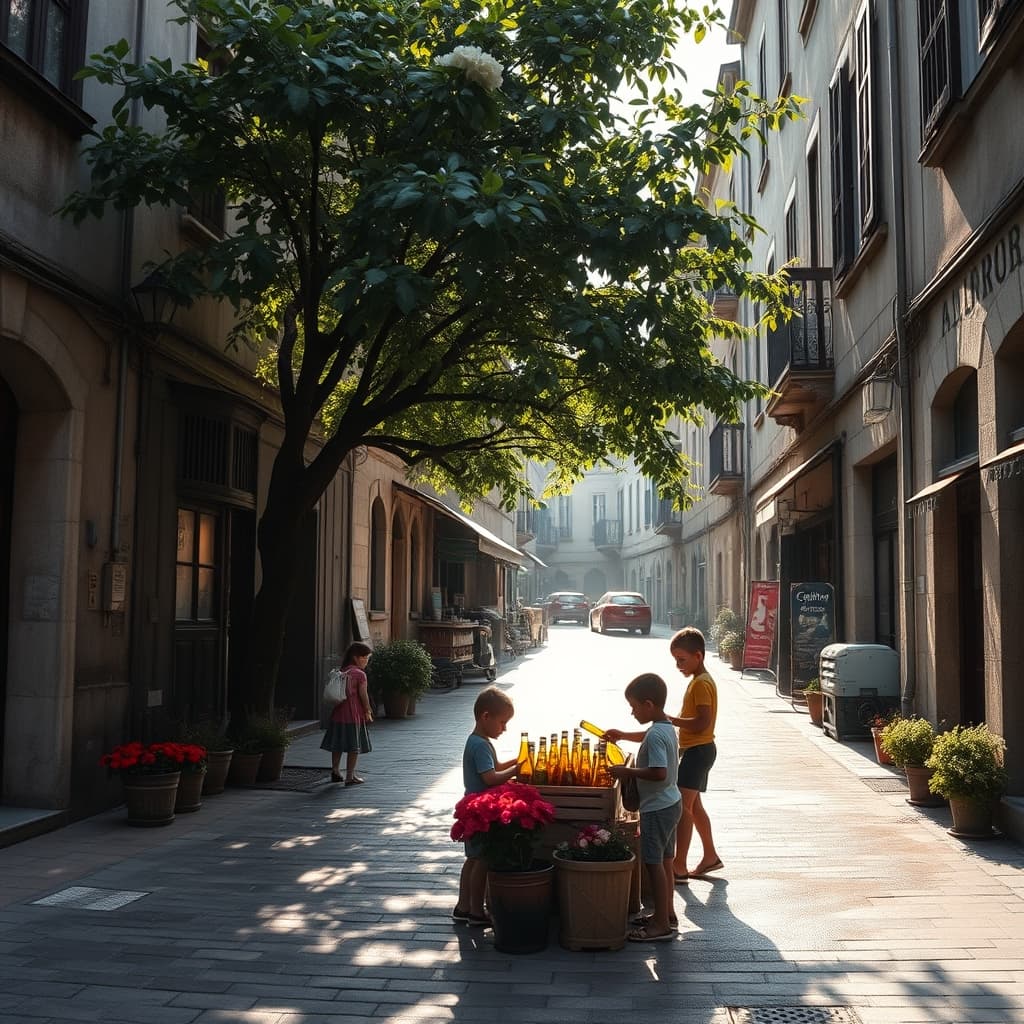
In old cities, environmental awareness did not begin with signs, campaigns, or long meeting notes as it often does today. It appeared more quietly in the movement of a woman sprinkling water before her doorway in the early morning, in the grocer setting empty bottles aside, in children trying not to crush the soil while playing beneath the shade of a mulberry tree. Before the street grew crowded, stone pavements were washed, windows opened, and the scent of potted plants drifted from courtyards. If the city breathed, it breathed through the daily care of the neighborhood. No one may have given it a grand name, yet the attention paid to waste, water, trees, and the shared order of the street was one of the oldest and warmest forms of environmental awareness.
From the perspective of time, old neighborhood life created a fragile but living balance between nature and the city. Newspapers sometimes carried reports of water shortages, municipal cleaning warnings, tree-planting efforts, or complaints about smoky winters, but the real transformation took place quietly within everyday life. People knew that a public fountain should not be left running, that stove ash should not be scattered carelessly, and that market scraps could find their way back to animals or soil. A neighborhood was not merely a line of houses standing side by side. It was a shared living space where water, shade, scent, and sound belonged to everyone. For that reason, caring for the environment often meant caring for the neighbor.
One of the clearest places where this bond appeared was the doorstep. As the coolness of late afternoon arrived, pavements were swept, geraniums were watered, and stools were carried beneath the shade of plane or acacia trees. While children played with bottle caps, an elder might call out, “Don’t throw that paper on the ground.” The grocer saved paper bags for reuse, and the tailor set fabric scraps aside for smaller jobs. Many acts we now describe as recycling were then natural habits born from both scarcity and respect. Objects were not immediately discarded; they were repaired. Glass jars waited for jam, and old newspapers lined shelves. In this way, the neighborhood worked like an invisible school teaching people to use without wasting.
The days when cities breathed were also made beautiful by knowing the value of shade and water. In summer, the fountain at the corner did more than relieve thirst; it regulated the rhythm of the neighborhood. A child filled a jug, an older person cooled hands and face, and a shopkeeper settled the dust before his store. When a tree was cut down, it was not only a branch that disappeared, but the coolness of an entire street. When an open lot was covered with concrete, children’s games, birdsong, and the evening gathering point of neighbors changed as well. The old city dweller therefore understood the environment not as an abstract idea, but as a texture directly felt in daily life. If the air grew heavy, everyone noticed; if water was scarce, everyone used less; if the street was dirty, everyone felt ashamed.
When we look back today, this neighborhood awareness should be read not merely as romantic memory, but as a lost practical wisdom. What allowed old cities to breathe was not perfect infrastructure or grand declarations, but the shared continuation of small behaviors. Keeping the doorstep clean, protecting the shade of a tree, not letting water run to waste, repairing objects, and treating the street not only as a place of passage but as a place of life formed the deepest bond between environmental awareness and neighborhood culture. That bond still tells us this: a city lives not only through its buildings, but through the care people show in protecting a common breath.
The Days When Old Cities Breathed: The Bond Environmental Awareness Formed with Neighborhood Life