🇹🇷 Türkçe | Hatıraların tozlu raflarında eski lunaparkların ışıklarla kurduğu küçük mucizeler: bugüne hangi sessiz alışkanlıkları bıraktı çiçek kokulu sokaklar
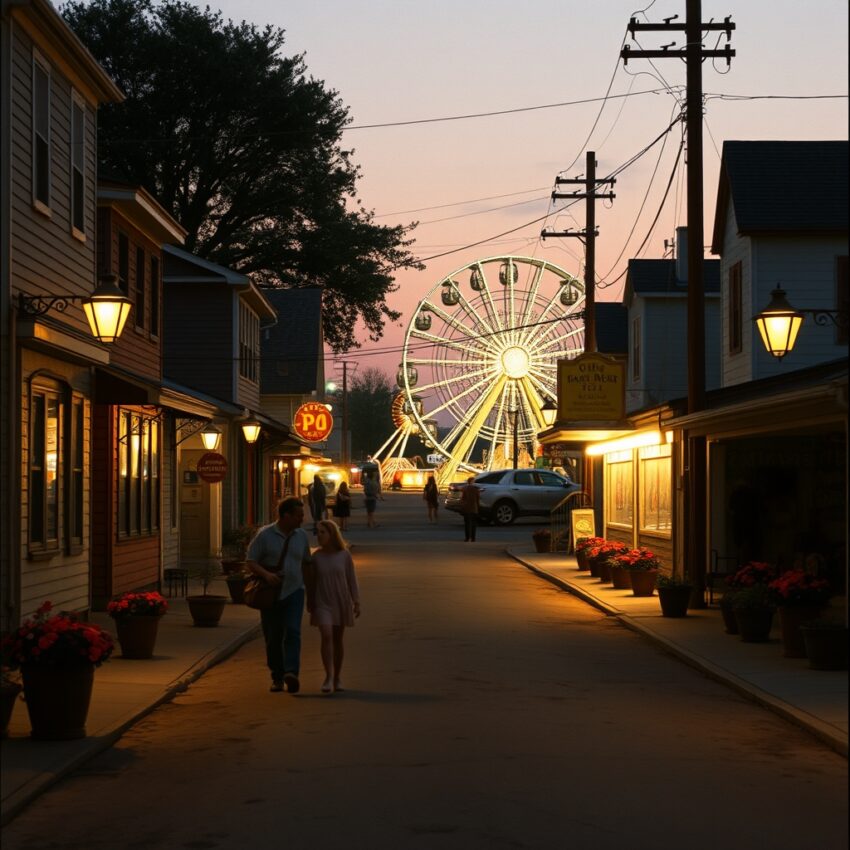
Bir zamanlar yaz akşamları biraz serinlemeye başladığında, mahallenin en hareketli yönü lunaparka çıkan sokak olurdu. Tozlu kaldırımların kenarında karanfil saksıları durur, gazoz kapakları yerde parıldar, uzaktan gelen dönme dolap ışıkları daha yola çıkmadan kalbi hızlandırırdı. Anneler çocukların üstünü başını düzeltir, babalar bilet kuyruğunda cebindeki bozukluğu yoklar, gençler ise en parlak ampullerin altından ağır ağır yürümeyi neredeyse bir tören gibi yaşardı. O lunaparklar yalnız eğlence vaat etmiyordu; akşamın içine küçük bir mucize duygusu yerleştiriyordu. Çiçek kokulu sokaklardan geçip ışıklı alana varmak, sıradan mahalle hayatından kısa süreliğine başka bir dünyaya adım atmak gibiydi.
Zamanın İzinde açısından bakıldığında eski lunaparkların hafızadaki gücü, yalnız oyuncakların kendisinden değil, çevresinde kurdukları gündelik ritüelden geliyordu. Eski gazetelerde bayram haftalarına denk gelen lunapark haberleri, mahalleye kurulan geçici eğlence alanlarını şehir hayatının önemli işaretlerinden biri gibi anlatırdı. Çünkü bu yerler, modernleşmenin parlak yüzünü küçük mahalle ölçeğinde görünür kılıyordu. Renkli ampuller, metal sesleri, jeton makineleri, pamuk şeker arabaları ve hoparlörden yükselen boğuk anonslar, dönemin teknolojik hayretini de taşıyordu. Çocuklar için bunlar yalnızca oyun değildi; ışığın, hareketin ve kalabalığın birlikte kurduğu yeni bir şehir tecrübesiydi. Büyükler içinse lunapark, çalışmanın ve gündelik ciddiyetin arasına açılmış kısa ama unutulmaz bir pencereydi.
Bu akşamların en kalıcı tarafı, lunaparka gitmenin mahalle alışkanlıklarını biçimlendirmesiydi. Bazı evlerde dışarı çıkmadan önce en temiz hırka giyilir, dönüşte çekirdek ya da elma şekeriyle eve girilirdi. Çocukların cebine sıkıca tutmaları için küçük mendiller verilir, “kalabalıkta ayrılmayın” tembihi mutlaka tekrarlanırdı. Mahalle esnafı da bu ritme katılır; simitçi tezgâhını geç saate kadar açık tutar, terzi dükkânının önünde oturanlar lunaparka giden kalabalığı seyrederdi. Bir sokağın akşam yürüyüşü, yalnız bir geçiş olmaktan çıkar; aynı ışıklara doğru giden insanların birbirini fark ettiği toplu bir alışkanlığa dönüşürdü. Bugün hâlâ yaz akşamlarında hafifçe ağır adımlarla dolaşmak, vitrinin önünde durup bakmak ya da kalabalık içinde acele etmeden yürümek biraz da o günlerden kalan sessiz bir şehir davranışıdır.
Eski lunaparkların bugüne bıraktığı alışkanlıklardan biri de şaşkınlığı saklamadan yaşama cesaretiydi. O dönem insanlar bir ampul dizisinin parıltısına, aynalı bir salondaki yansımaya ya da çarpışan arabaların kıvılcımına uzun uzun bakabiliyordu. Bugünün hızlı ekran kültüründe eksilen şey belki de tam olarak bu ortak hayret hâli. Oysa lunaparkta herkes aynı anda yukarı kaldırdığı başıyla, dönen gondolları seyrederken birbirinin merakına ortak olurdu. Çiçek kokulu sokaklardan geçip o ışıklı alana varanlar, eve döndüklerinde bile akşamın parıltısını üstünde taşırdı. Bu yüzden eski lunaparkların hafızası yalnız dönme dolapta değil; akşam gezmesine verilen özen, kalabalığa karışma biçimi ve küçük mutlulukları büyütme yeteneği içinde yaşamayı sürdürüyor.
Belki de bu mekânların en derin mirası, şehrin sertliğini kısa süreliğine yumuşatmalarıydı. Betonun, iş çıkışının, yaz sıcağının ve gündelik hesapların arasında lunapark ışıkları herkese aynı anda başka bir ritim önerirdi. O ritimde çocukluk kadar yetişkinlik de yer alırdı; bir elde pamuk şeker, öbür elde eve götürülecek küçük bir oyuncak, yüzlerde ise akşamın geçmeyeceğini uman ifade. Eski lunaparklar bugün yerinde olmasa bile onların kurduğu küçük mucizeler, sokakta oyalanmayı seven, akşam ışığına dikkat kesilen ve kalabalığın içinde bile yavaş yürümeyi bilen şehir insanında hâlâ hissediliyor.
🇬🇧 English | The Little Miracles Old Amusement Parks Built with Lights on the Dusty Shelves of Memory: Which Quiet Habits Did the Flower-Scented Streets Leave to Today
There was a time when, as summer evenings began to cool, the liveliest direction in the neighborhood was always the street leading to the amusement park. Carnation pots stood beside dusty pavements, soda bottle caps glimmered on the ground, and the distant lights of the Ferris wheel made the heart race before anyone had even arrived. Mothers adjusted children’s clothes, fathers checked the coins in their pockets while waiting in ticket lines, and young people treated their slow walk beneath the brightest bulbs almost like a ceremony. Those old amusement parks did not merely promise entertainment; they placed a feeling of small miracle inside the evening itself. Passing through flower-scented streets and entering that illuminated space felt like stepping briefly out of ordinary neighborhood life and into another world.
Seen through the lens of time, the strength of old amusement parks in memory comes not only from the rides themselves, but from the everyday ritual built around them. In old newspapers, reports about amusement grounds set up during holiday weeks described them almost as signs of urban life itself. These places made the bright face of modernization visible on the scale of the neighborhood. Strings of colored bulbs, metallic noises, token machines, cotton candy carts, and muffled announcements rising from loudspeakers all carried the technological wonder of their era. For children, this was not only play; it was a new urban experience built from light, movement, and crowd. For adults, the amusement park opened a short yet unforgettable window inside lives otherwise shaped by work and routine seriousness.
What lasted most from those evenings was the way going to the amusement park shaped neighborhood habits. In some homes, the cleanest cardigan was worn before leaving, and roasted seeds or candy apples came back through the front door afterward. Children were given small handkerchiefs to hold tightly, and the warning, “Don’t get separated in the crowd,” was always repeated. Shopkeepers joined the rhythm too; the simit seller stayed open later, and those sitting in front of the tailor’s shop watched the people heading toward the lights. An evening walk along the street stopped being mere passage and became a shared neighborhood habit in which people noticed one another on the way to the same brightness. Even today, the instinct to stroll slowly on a summer evening, pause before a shop window, or move through a crowd without haste may be a quiet urban habit inherited from those nights.
One of the habits old amusement parks left behind may also be the courage to experience wonder openly. People then could look for a long time at a row of glowing bulbs, a reflection in a mirrored hall, or the sparks over bumper cars. In today’s fast screen culture, what is missing may be precisely that shared state of amazement. In the amusement park, everyone raised their head at the same moment to watch the swinging gondolas and unknowingly joined one another’s curiosity. Those who passed through flower-scented streets into that field of light carried its shimmer home on their faces. That is why the memory of old amusement parks survives not only in the Ferris wheel, but in the care given to evening outings, the way people entered crowds, and the ability to make small joys feel large.
Perhaps the deepest legacy of those spaces was that they softened the hardness of the city for a little while. Between concrete, summer heat, workday fatigue, and household calculations, amusement park lights suggested another rhythm to everyone at once. In that rhythm there was room for childhood and adulthood together: cotton candy in one hand, a small toy to take home in the other, and on every face the hope that the evening would not end too soon. Even where the old amusement parks no longer stand, the little miracles they created can still be felt in city dwellers who like to linger in the street, pay attention to evening light, and know how to walk slowly even inside a crowd.
🇧🇷 Português (Brasil) | Os Pequenos Milagres que os Antigos Parques de Diversão Construíram com Luzes nas Prateleiras Embaçadas da Memória: Que Hábitos Silenciosos as Ruas com Cheiro de Flores Deixaram para Hoje
Houve um tempo em que, quando as noites de verão começavam a refrescar, a direção mais viva do bairro era a rua que levava ao parque de diversões. Vasos de cravo ficavam ao lado das calçadas empoeiradas, tampinhas de garrafa brilhavam no chão, e as luzes distantes da roda-gigante aceleravam o coração antes mesmo da chegada. As mães ajeitavam a roupa das crianças, os pais conferiam as moedas no bolso enquanto esperavam na fila, e os jovens faziam da caminhada lenta sob as lâmpadas mais fortes quase um ritual. Aqueles parques antigos não prometiam apenas diversão; colocavam dentro da noite uma sensação de pequeno milagre. Passar pelas ruas cheias de cheiro de flores e entrar naquele espaço iluminado era como sair por instantes da vida comum do bairro e entrar em outro mundo.
Quando olhamos pelo rastro do tempo, a força dos antigos parques de diversão na memória vem não apenas dos brinquedos, mas do ritual cotidiano construído ao redor deles. Nos jornais antigos, as notícias sobre parques montados em semanas festivas apareciam quase como sinais importantes da vida urbana. Esses lugares tornavam visível, em escala de bairro, o lado brilhante da modernização. Fileiras de lâmpadas coloridas, ruídos metálicos, máquinas de ficha, carrinhos de algodão-doce e anúncios abafados saindo do alto-falante carregavam também o espanto tecnológico da época. Para as crianças, aquilo não era só brincadeira; era uma nova experiência de cidade feita de luz, movimento e multidão. Para os adultos, o parque abria uma janela curta, mas inesquecível, no meio de uma rotina marcada pelo trabalho e pela seriedade.
O aspecto mais duradouro dessas noites era a forma como ir ao parque moldava hábitos do bairro. Em algumas casas, vestia-se o casaco mais arrumado antes de sair, e na volta entravam em casa sementes torradas ou maçãs do amor. As crianças recebiam um lenço pequeno para segurar com firmeza, e o aviso “não se percam na multidão” era repetido sem falta. Os comerciantes também entravam nesse ritmo: o vendedor de simit ficava aberto até mais tarde e quem se sentava diante da alfaiataria observava a multidão seguindo para as luzes. O passeio noturno deixava de ser apenas passagem e se transformava em um hábito coletivo, em que todos percebiam uns aos outros caminhando para o mesmo brilho. Até hoje, o gesto de andar devagar numa noite de verão, parar diante de uma vitrine ou circular sem pressa em meio ao movimento talvez venha silenciosamente daqueles tempos.
Um dos hábitos que os antigos parques deixaram foi também a coragem de viver o deslumbramento sem escondê-lo. Naquela época, as pessoas podiam ficar olhando demoradamente para uma fileira de lâmpadas, para um reflexo em uma sala de espelhos ou para as faíscas dos carrinhos bate-bate. Na cultura veloz das telas de hoje, talvez falte justamente esse espanto compartilhado. No parque, todos erguiam a cabeça ao mesmo tempo para ver os brinquedos girando e acabavam dividindo a curiosidade uns dos outros. Quem passava pelas ruas com cheiro de flores até chegar ao campo iluminado levava o brilho da noite de volta para casa. Por isso, a memória dos antigos parques de diversão sobrevive não só na roda-gigante, mas também no cuidado com o passeio noturno, no modo de entrar na multidão e na capacidade de tornar grandes as pequenas alegrias.
Talvez o legado mais profundo desses lugares tenha sido suavizar por um momento a dureza da cidade. Entre o concreto, o calor do verão, o cansaço do fim do expediente e as contas do dia a dia, as luzes do parque propunham outro ritmo para todos ao mesmo tempo. Nesse ritmo havia espaço para infância e maturidade juntas: algodão-doce em uma mão, um pequeno brinquedo para levar para casa na outra e, no rosto, a esperança de que a noite demorasse mais a acabar. Mesmo onde os antigos parques já não existem, os pequenos milagres que criaram ainda podem ser sentidos nas pessoas que gostam de permanecer na rua, prestar atenção à luz do entardecer e caminhar devagar mesmo em meio à multidão.