🇹🇷 Türkçe | Demlikten Yayılan Çayın Eve Verdiği Mevsimsel Teselli
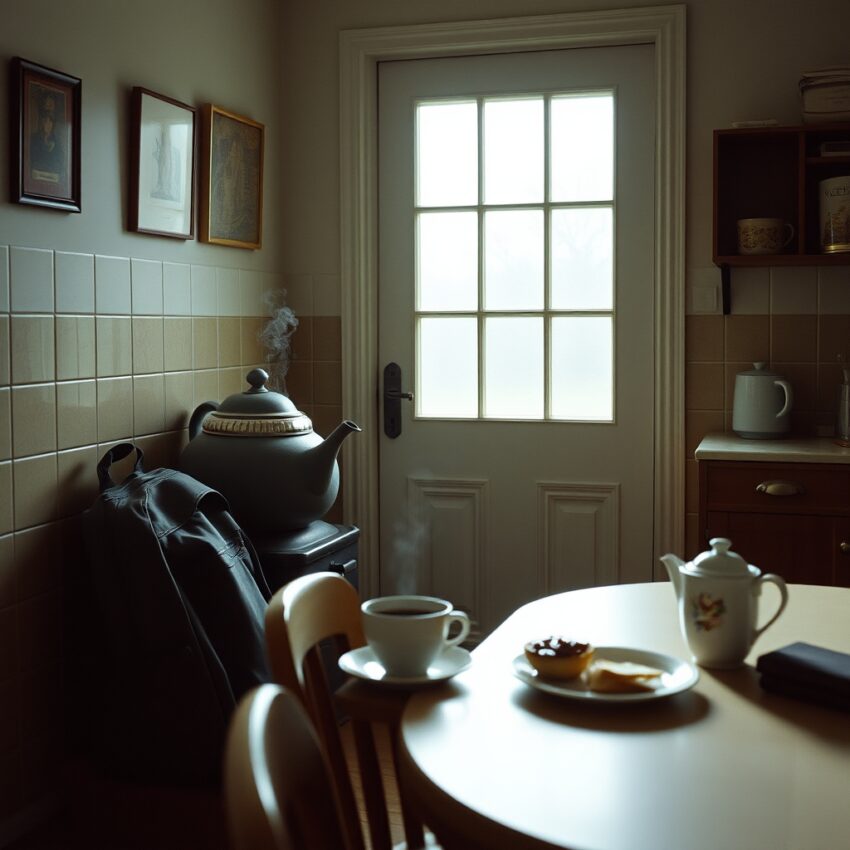
Bir zamanlar okul dönüşü yalnız eve gelmek değil, günün ikinci sıcaklığına kavuşmak demekti. Kapı açılır açılmaz ayakkabıların çıkarıldığı antrede, tene işleyen hafif serinlikle birlikte mutfaktan gelen tanıdık koku insanı karşılar; demlikten yayılan tavşan kanı çay, daha masaya oturmadan akşamüstünün dilini kurardı. Çocuğun elinin tabağa uzanması, belki birkaç dilim ekmek, biraz reçel, belki peynirli bir atıştırmalık araması, o çayın etrafında tamamlanan gündelik bir sahneydi. Özellikle mevsim geçişlerinde bu sahne daha da anlam kazanırdı. Yazın gevşekliği çekilmiş, kışın sertliği henüz tam yerleşmemiş olur; hava bir gün ılık, ertesi gün rüzgârlı gezerdi. İşte tam bu belirsizlikte çayın rengi, sıcaklığı ve kokusu eve bir denge duygusu verirdi. Tavşan kanı denilen koyu dem, yalnız damakta değil, ruh hâlinde de toparlayıcı bir etki bırakırdı.
Damak Hafızası açısından demlikten yayılan çay kokusu, Türk ev hayatının en kalıcı eşik anlarından biridir. Sabah çayı başka, akşam sofralarının çayı başka olsa da okul dönüşü içilen çayın yeri ayrıdır. Çünkü o, bir bekleyişin karşılığıdır. Çocuk okulda geçen saatlerden sonra evin güvenli ritmine döner; yetişkin içinse günün ikinci yarısı ev içi tempoya bağlanır. Çayın yanında tabağa ilk uzanan kaşık, yalnız yemeğe değil, dinlenmeye, konuşmaya ve yeniden toparlanmaya uzanır. Camın buğulanması, ince belli bardakta yükselen koyu renk, mutfakta metal kaşığın tabağa değmesi, bütün bunlar mevsim geçişlerinde daha yoğun hissedilir. Dışarıdaki hava kararsızken evin içindeki çay ritüeli kararlı kalır. Belki de bu yüzden o koku yıllar sonra bile insanın içini anında ısıtır.
Bu sahnenin hafızada bu kadar güçlü yer etmesinin bir nedeni de çayın tek başına içilen bir içecek olmamasıdır. O, eve dönüşün sosyal biçimidir. Anne “çay daha yeni demlendi” derken, çocuk okulda olan bir şeyi anlatmaya başlar; sofraya konan küçük tabaklar, ekmek kırıntıları, bazen portakal kabuğu bazen tahin-pekmez, mevsimin durumuna göre şekillenir. Sonbahara dönen günlerde çayın yanına kızarmış ekmek daha çok yakışır, ilkbaharın serin akşamüstlerinde reçelin parlaklığı masayı biraz aydınlatır. Demlikten yayılan koku, yalnız mutfakta kalmaz; koridora, salona ve ders çantasının bırakıldığı köşeye kadar gider. Eve dağılmış günün yorgunluğunu toplar. Bu yüzden tavşan kanı çay, mevsim geçişlerinde daha anlamlıdır; çünkü hem bedenin üşümesini hem de günün dağınıklığını aynı anda yatıştırır.
Bugün geriye dönüp bakıldığında o çayın neden bu kadar özel kaldığı daha açık görülür. Çünkü mesele yalnız lezzet değildir; ritimdir. Mevsim değişirken insanın iç dengesi de değişir ve ev, bunu küçük alışkanlıklarla onarır. Okul dönüşü tabağa ilk uzanan kaşıkla hatırlanan çay, tam da bu yüzden bir içecekten fazlasına dönüşür. O, eve dönmenin doğrulandığı andır. Dışarıdaki rüzgârın, yağmur ihtimalinin ya da erken kararan havanın karşısında mutfaktan gelen koyu çay kokusu, hayatın hâlâ yerli yerinde olduğunu söyler. Yıllar sonra aynı koku duyulduğunda insanın içini dolduran şey yalnız geçmiş değil, geçmişin sunduğu tesellidir. Tavşan kanı çay, mevsim geçişlerinde işte bu yüzden daha derin anlam kazanır: çünkü değişen havanın içinde değişmeyen ev sıcaklığını temsil eder.
🇬🇧 English | The Seasonal Consolation a Teapot of Tea Gave to the Home
There was a time when coming home from school meant more than simply arriving at the house; it meant reaching the second warmth of the day. The moment the door opened, in the entry where shoes were taken off, a familiar scent met the body together with the slight chill carried indoors. Rabbit-blood-red tea spreading from the teapot established the language of late afternoon before anyone even sat down. A child’s hand reaching toward the plate, perhaps searching for a few slices of bread, some jam, or a small piece of cheese, belonged to a daily scene completed around that tea. During seasonal transitions, this scene gained even greater meaning. The looseness of summer had already withdrawn, yet the hardness of winter had not fully arrived. One day felt mild, the next windy and uncertain. In precisely that instability, the color, warmth, and aroma of the tea gave the house a sense of balance. The strong brew known as rabbit-blood-red had a gathering effect not only on the palate, but on the spirit.
From the perspective of taste memory, the smell of tea rising from the teapot is one of the most enduring threshold moments in Turkish domestic life. Morning tea has its place, and tea at the dinner table has another, but the tea of after-school return stands apart. It answers a period of waiting. After hours spent at school, the child returns to the safe rhythm of home; for adults, the second half of the day turns toward domestic tempo. The first spoon reaching the plate does not move only toward food, but toward rest, conversation, and recovery. A window fogging over, the dark color rising in the narrow glass, the sound of a metal spoon touching a plate in the kitchen all feel more intense during seasonal change. While the weather outside remains undecided, the tea ritual inside the house stays constant. Perhaps that is why the smell can still warm a person instantly many years later.
One reason this scene has settled so strongly in memory is that tea was never a drink consumed in isolation. It was the social form of coming home. While a mother said, “The tea has just finished brewing,” a child would begin to tell something that had happened at school. Small plates set on the table, bread crumbs, sometimes orange peel and sometimes tahini with molasses changed according to the season. On days turning toward autumn, toasted bread seemed to suit the tea best; on cool spring afternoons, the brightness of jam made the table seem lighter. The smell rising from the teapot did not remain in the kitchen. It moved into the corridor, the sitting room, and even the corner where the school bag had been dropped. It gathered the day’s fatigue scattered through the house. That is why strong tea gains more meaning during seasonal transitions: it soothes both the body’s chill and the day’s disorder at once.
Looking back now, it becomes clearer why that tea remained so special. The matter is not only taste, but rhythm. When the seasons change, a person’s inner balance changes too, and the home repairs it through small habits. The tea remembered with the first spoon reaching the plate after school becomes more than a drink for exactly that reason. It is the moment in which coming home is confirmed. Against wind outside, the possibility of rain, or an early darkness falling through the window, the smell of dark tea from the kitchen says that life is still in its place. When the same aroma is encountered years later, what fills the person is not only the past, but the consolation the past once offered. Rabbit-blood-red tea gains deeper meaning during seasonal transitions because it represents the warmth of home that does not change even when the weather does.
🇧🇷 Português (Brasil) | O Consolo Sazonal que o Chá da Chaleira Dava à Casa
Houve um tempo em que voltar da escola significava mais do que apenas chegar em casa; significava alcançar o segundo calor do dia. Assim que a porta se abria, no hall onde os sapatos eram tirados, um cheiro conhecido recebia a pessoa junto com o leve frio trazido do lado de fora. O chá vermelho-escuro espalhando-se da chaleira estabelecia o idioma do fim de tarde antes mesmo de todos se sentarem. A mão da criança indo primeiro ao prato, talvez procurando algumas fatias de pão, um pouco de geleia ou um pedaço de queijo, fazia parte de uma cena cotidiana completada ao redor daquele chá. Nas mudanças de estação, essa cena ganhava ainda mais sentido. O relaxamento do verão já tinha ido embora, mas o rigor do inverno ainda não tinha chegado por completo. Um dia era morno, no outro vinha o vento. E justamente nessa instabilidade, a cor, o calor e o aroma do chá davam à casa uma sensação de equilíbrio. A infusão forte, chamada de vermelho-escuro, tinha um efeito de recompor não apenas o paladar, mas também o estado de espírito.
Do ponto de vista da memória do paladar, o cheiro do chá saindo da chaleira é um dos momentos-limite mais duradouros da vida doméstica turca. O chá da manhã ocupa um lugar, o chá da refeição outro, mas o chá da volta da escola é diferente. Ele responde a uma espera. Depois das horas passadas na escola, a criança retorna ao ritmo seguro da casa; para os adultos, a segunda metade do dia se liga ao compasso doméstico. A primeira colher que alcança o prato não vai apenas em direção à comida, mas também ao descanso, à conversa e à recomposição. O vidro embaçando, a cor escura subindo no copo delicado e o som da colher tocando o prato na cozinha ficam ainda mais intensos nas mudanças de estação. Enquanto o tempo lá fora permanece indeciso, o ritual do chá dentro de casa continua firme. Talvez seja por isso que esse cheiro ainda aqueça imediatamente tantos anos depois.
Uma razão para essa cena ocupar um lugar tão forte na memória é que o chá nunca foi uma bebida tomada de forma isolada. Ele era a forma social do retorno para casa. Enquanto a mãe dizia que o chá acabara de ficar pronto, a criança começava a contar algo ocorrido na escola. Os pequenos pratos sobre a mesa, as migalhas de pão, às vezes casca de laranja, às vezes tahine com melaço, variavam conforme a estação. Nos dias que já lembravam o outono, o pão tostado combinava mais; nas tardes frias de primavera, o brilho da geleia iluminava a mesa. O cheiro da chaleira não ficava preso à cozinha. Espalhava-se pelo corredor, pela sala e até pelo canto onde a mochila era deixada. Reunia o cansaço do dia que estava espalhado pela casa. É por isso que o chá forte ganha mais sentido nas mudanças de estação: ele acalma ao mesmo tempo o frio do corpo e a desordem do dia.
Hoje, olhando para trás, fica mais claro por que esse chá permaneceu tão especial. Não se trata apenas de sabor, mas de ritmo. Quando a estação muda, o equilíbrio interior também muda, e a casa o repara por meio de pequenos hábitos. O chá lembrado com a primeira colher alcançando o prato depois da escola se torna, por isso, mais do que uma bebida. Ele é o instante em que a volta para casa se confirma. Diante do vento do lado de fora, da possibilidade de chuva ou do escurecer precoce, o cheiro do chá forte vindo da cozinha diz que a vida continua em ordem. Quando o mesmo aroma volta anos depois, o que preenche a pessoa não é apenas o passado, mas o consolo que o passado oferecia. O chá vermelho-escuro ganha significado mais profundo nas mudanças de estação exatamente porque representa o calor da casa que permanece mesmo quando o tempo muda.