🇹🇷 Türkçe | mahalle pastanesi poğaçası sofraya geldiğinde neden bütün ev aynı kokuyla dolardı uzayan ikindi gölgelerinde gündüzden geceye uzanan ritimle
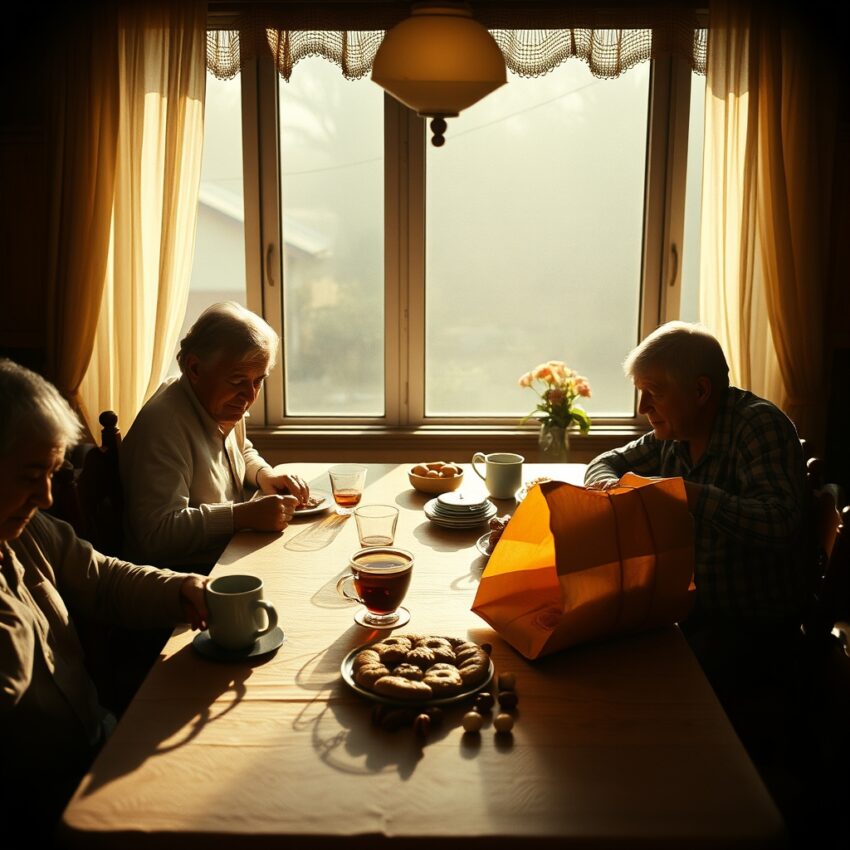
Bir zamanlar ikindiye doğru eve giren en güven verici kokulardan biri mahalle pastanesinin poğaçasına aitti. Kağıt torbanın içinden yükselen tereyağı, mayalı hamur ve hafifçe kızarmış susam kokusu, daha torba açılmadan antreye, oradan salona, mutfağa ve çocuk odasına kadar yayılırdı. Bu koku yalnız yiyeceği haber vermez; evin akşamüstü ritmini de değiştirirdi. Çay yeniden demlenir, tabak çıkarılır, “sıcakken yiyelim” diyen biri mutlaka olurdu. Uzayan ikindi gölgeleri pencere pervazlarına vururken, gündüzün yorgunluğu ile akşamın toplanma duygusu aynı masa etrafında buluşurdu. Mahalle pastanesi poğaçası, tam da bu yüzden yalnız bir hamur işi değil; evin içine düzen, yakınlık ve beklenen bir rahatlama taşıyan gündelik bir törendi.
Damak Hafızası açısından bakıldığında bu poğaçanın asıl gücü tarifinden çok dolaşımındadır. Hemen her mahallede bir pastanenin vitrini, okul dönüşü ya da iş çıkışı saatlerinde aynı çekicilikle parlar; içeriden gelen taze tepsi kokusu insanları neredeyse görünmez bir çizgiyle içeri çekerdi. Kağıda sarılıp eve getirilen poğaça, dışarıdaki şehir hayatıyla içerideki aile sofrası arasında lezzetli bir köprü kurardı. Kimi evde peynirli olanı önce kapanır, kiminde sade poğaça çaya banılır, kiminde çocuklar içindeki zeytini sevmese de kenarını kemirirdi. Herkesin poğaçayla kurduğu ilişki farklıydı, ama ortak olan şey şuydu: o koku eve girdiğinde ev halkı günün kalan kısmını artık birlikte yaşayacaklarını hissederdi.
Mahalle pastanelerinin kültürel önemini büyüten de tam olarak buydu. Bu mekanlar yalnız satış yapılan yerler değil, mahallenin zamanını ayarlayan küçük merkezlerdi. Tezgahtaki tepsiler tükenmeden yetişmek, en sıcak partiyi almak, fırından yeni çıkan poğaçayı eve çabucak taşımak bir alışkanlık hâline gelmişti. Esnaf müşterisini tanır, “çocuklara da alıyorsun galiba” diye sorar, bazen torbaya bir tane fazla koyardı. Eve taşınan poğaça, böylece yalnız satın alınmış bir ürün olmaz; mahalle içi güvenin, tanışıklığın ve gündelik nezaketin de devamı olurdu. Uzayan gölgeler içinde gündüzden geceye uzanan ritim, biraz da bu küçük alışveriş sayesinde yumuşardı.
Bugün zincir fırınların düzenli rafları arasında o eski poğaçanın neden bu kadar özlendiği daha iyi anlaşılıyor. Eksik olan sadece tat ya da kıvam değil; kokunun evde yarattığı ortak bekleyiş. Bir kağıt torbanın masaya bırakılmasıyla herkesin aynı anda başını çevirmesi, çayın bardaklara dolması, birinin “beni bekleyin” diye seslenmesi, o poğaçayı sıradanlıktan çıkarıyordu. Eski ev hayatında bazı yiyecekler öğün olmaktan çok işaret işlevi görürdü: artık günün telaşı azalıyor, ev halkı birbirine yaklaşıyor, akşam konuşmaları başlayabiliyordu. Mahalle pastanesi poğaçası da tam bu işaretlerden biriydi.
Belki de bütün evi aynı kokuyla dolduran şey yalnız hamurun sıcaklığı değildi. O kokunun içinde okul dönüşü, iş çıkışı, mahalle esnafıyla kurulan tanışıklık, çay saatinin disiplini ve ailece aynı masaya yaklaşma alışkanlığı vardı. Poğaça sofraya geldiğinde ev, yalnız karnını doyurmaya hazırlanmıyor; kendi iç ritmini yeniden kuruyordu. Bu yüzden o koku bugün hâlâ hafızada canlıysa, nedeni damakta kalan lezzetten çok, bir akşamüstünü bütünüyle paylaşılır hâle getirmiş olmasıdır.
🇬🇧 English | Why the Whole House Filled with the Same Smell When Bakery Pogaca from the Neighborhood Arrived at the Table in the Rhythm Stretching from Day to Night Through Lengthening Afternoon Shadows
There was a time when one of the most reassuring smells to enter the home toward late afternoon belonged to the bakery pogaca from the neighborhood. The scent of butter, yeasted dough, and lightly browned sesame rising from a paper bag spread before the bag was even opened, moving from the entrance hall into the sitting room, kitchen, and children’s room. This smell did not merely announce food; it changed the rhythm of the house. Tea was brewed again, plates were taken out, and someone inevitably said, “Let’s eat it while it’s warm.” As the lengthening shadows of afternoon reached the windowsills, the fatigue of the day met the gathering feeling of evening around the same table. That is why the neighborhood bakery’s pogaca was never only a pastry; it was an everyday ritual carrying order, closeness, and a long-awaited release into the house.
Seen through the lens of taste memory, the true strength of this pogaca lies less in its recipe than in the way it circulated. In almost every neighborhood, the bakery display shone with the same attraction at the hours when school let out or work ended, and the smell of fresh trays from inside pulled people through the door like an invisible line. Wrapped in paper and brought home, the pogaca built a delicious bridge between the city outside and the family table within. In one house the cheese-filled kind was taken first, in another plain pogaca was dipped into tea, in another children picked away at the edge even if they did not like the olive filling. Everyone had a different relation to it, yet one thing remained shared: once that smell entered the house, the family felt that the rest of the day would now be lived together.
This is precisely what gave neighborhood bakeries their cultural importance. They were not only places of sale, but small centers that helped set the neighborhood’s sense of time. Arriving before the trays were empty, getting the warmest batch, and carrying newly baked pogaca home quickly became routine habits. The shopkeeper knew the customer, asked, “You’re taking some for the children too, I suppose,” and sometimes slipped one extra into the bag. What reached home, then, was not simply a purchased item, but also the continuation of trust, familiarity, and everyday courtesy within the neighborhood. The rhythm stretching from day into night through lengthening shadows was softened by that small exchange.
Today, among the orderly shelves of chain bakeries, it becomes easier to understand why that old pogaca is missed so deeply. What is absent is not only taste or texture, but the shared anticipation created by its smell at home. The moment a paper bag was set on the table, everyone turned their head, tea glasses were filled, and someone called, “Wait for me.” Such gestures lifted the pastry out of ordinariness. In older domestic life, some foods functioned less as meals than as signals: the rush of the day was easing, the household was drawing closer, and evening conversation could begin. The neighborhood bakery’s pogaca was one of those signals.
Perhaps what filled the whole house with one smell was never only the warmth of dough. Inside that scent lived the return from school, the end of the workday, familiarity with neighborhood shopkeepers, the discipline of tea time, and the habit of moving together toward the same table. When the pogaca arrived, the house was not only preparing to eat; it was rebuilding its own inner rhythm. If that smell remains so vivid in memory today, it is because more than flavor lingered in it. It made an entire afternoon shareable.
🇧🇷 Português (Brasil) | Por Que Toda a Casa se Enchia com o Mesmo Cheiro Quando a Pogaca da Confeitaria do Bairro Chegava à Mesa no Ritmo que se Estendia do Dia à Noite nas Sombras Longas da Tarde
Houve um tempo em que um dos cheiros mais reconfortantes a entrar em casa no fim da tarde vinha da pogaca da confeitaria do bairro. O aroma de manteiga, massa fermentada e gergelim levemente dourado subia do saco de papel e se espalhava antes mesmo de ele ser aberto, passando do corredor para a sala, a cozinha e o quarto das crianças. Esse cheiro não anunciava apenas comida; ele mudava o ritmo da casa. O chá era colocado de novo, os pratos saíam do armário e alguém inevitavelmente dizia: “vamos comer enquanto está quente”. Enquanto as sombras compridas da tarde tocavam o parapeito da janela, o cansaço do dia e a sensação de encontro do começo da noite se reuniam na mesma mesa. Por isso a pogaca da confeitaria do bairro nunca foi apenas um salgado; era um ritual cotidiano que levava ordem, proximidade e um alívio esperado para dentro da casa.
Pela ótica da memória do paladar, a força dessa pogaca está menos na receita do que na circulação que ela criava. Em quase todo bairro, a vitrine da confeitaria brilhava no horário da saída da escola ou do trabalho, e o cheiro das assadeiras recém-saídas do forno puxava as pessoas para dentro como uma linha invisível. Embrulhada no papel e levada para casa, a pogaca construía uma ponte saborosa entre a cidade lá fora e a mesa familiar cá dentro. Em uma casa, a de queijo acabava primeiro; em outra, a pogaca simples era mergulhada no chá; em outra ainda, as crianças mordiscavam a borda mesmo sem gostar do recheio de azeitona. Cada pessoa tinha um vínculo diferente com ela, mas uma coisa permanecia comum: quando aquele cheiro entrava, todos sentiam que o resto do dia passaria a ser vivido juntos.
É justamente isso que ampliava a importância cultural das confeitarias de bairro. Elas não eram apenas pontos de venda, mas pequenos centros que ajudavam a regular o tempo do bairro. Chegar antes de as bandejas acabarem, conseguir a fornada mais quente e levar a pogaca recém-assada para casa depressa virava costume. O comerciante conhecia o freguês, perguntava “é para as crianças também, não é?” e às vezes colocava uma unidade extra no saco. O que chegava à mesa, então, não era apenas um produto comprado, mas também a continuação da confiança, da familiaridade e da delicadeza cotidiana do bairro. O ritmo que ia do dia à noite nas sombras longas ficava mais suave por causa dessa pequena troca.
Hoje, diante das prateleiras organizadas das padarias em rede, fica mais claro por que aquela antiga pogaca desperta tanta saudade. O que falta não é apenas sabor ou textura, mas a expectativa comum criada pelo cheiro dentro de casa. Bastava o saco de papel ser colocado sobre a mesa para todos virarem a cabeça, os copos de chá serem enchidos e alguém chamar “me esperem”. Esses gestos tiravam o salgado da banalidade. Na antiga vida doméstica, certos alimentos funcionavam menos como refeição e mais como sinal: a correria do dia diminuía, a casa se aproximava e as conversas da noite podiam começar. A pogaca da confeitaria do bairro era um desses sinais.
Talvez aquilo que enchia toda a casa com o mesmo cheiro nunca fosse só o calor da massa. Dentro desse aroma estavam a volta da escola, o fim do expediente, a familiaridade com o comerciante, a disciplina da hora do chá e o hábito de todos se aproximarem da mesma mesa. Quando a pogaca chegava, a casa não se preparava apenas para comer; ela reorganizava o próprio ritmo interior. Se esse cheiro permanece tão vivo na memória, é porque mais do que o sabor ficou guardado ali. Ele transformava uma tarde inteira em algo compartilhável.