🇹🇷 Türkçe | Antenin Ucunda Toplanan Sesli Bekleyiş
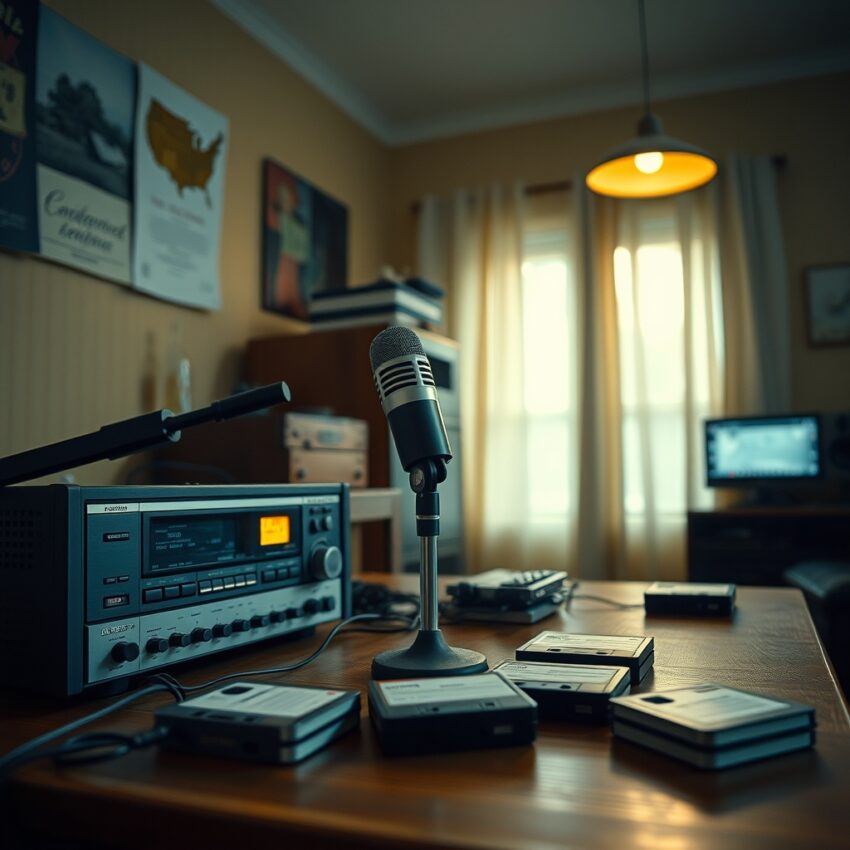
Bir zamanlar bir kaset deckinin başına oturmak, yalnızca müzik dinlemek ya da bir şeyi kaydetmek demek değildi. O an, evin içindeki bütün seslerin bir araya gelip tek bir umuda yönelmesi anlamına gelirdi. Mikrofonlu kaset decki masanın üstüne yerleştirilir, yanında boş kaset hazırlanır, radyo frekansını daha iyi çeksin diye anten yavaşça çevrilir, parazit azalırken odanın içindeki dikkat de artardı. Çocukların konuşmaması istenir, perde kıpırdamasın diye pencere dikkatle tutulur, spikerin sevilen şarkıyı anons etmesi beklenirdi. Anten her döndüğünde ses biraz daha netleşir, umut da onunla birlikte büyürdü.
Teknoloji Mirası açısından bu cihazlar yalnızca birer elektronik eşya değildir; ev içi sabrın, mühendislik merakının ve gündelik yaratıcılığın sembolleridir. Kaset decki, radyodan kayıt alma imkânı sunduğu için kullanıcıyı pasif bir dinleyiciden küçük bir arşivciye dönüştürürdü. Bir şarkıyı tam başından yakalamak, sunucunun sesini kayda almadan temiz bir kayıt tutturmak, mikrofonu doğru mesafede tutarak ev içi sesleri bozmadan kaydetmek başlı başına ustalık isterdi. Teknoloji burada sihirli değil, elle öğrenilen bir bilgi gibi çalışırdı. Cihazın düğmelerine alışmak, antenin en doğru açısını bulmak, bantın akışını izlemek; hepsi gündelik hayatın içine yerleşmiş dikkat ritüelleriydi.
O günlerin unutulmamasını sağlayan ayrıntılar son derece canlıdır. Çekmecede saklanan boş kasetler, üzerlerine özenle yazılmış şarkı listeleri, kayıt tuşuna basmadan önce tutulan kısa nefes, evin bir köşesinden gelen çay kaşığı sesinin bütün kaydı bozma ihtimali, kardeşlerin “şimdi konuşmayın” diye uyarılması, hepsi aynı alışkanlığın etrafında dönerdi. Mikrofon bazen doğum günü mesajı kaydetmek için, bazen uzaktaki bir akrabaya ses göndermek için, bazen de çocukların kendi küçük radyo programını yapması için kullanılırdı. Böylece cihaz yalnız müzik kaydetmez; evin kendi ses tarihini de biriktirirdi. Her bant, bir dönemin teknolojik imkânı kadar duygusal düzenini de saklardı.
Anteni çevirdikçe netleşen umut aslında yalnız teknik bir mesele değildi. Daha iyi çekim, daha temiz ses, daha az cızırtı beklentisi; aynı zamanda bir şeyin “olacak gibi” hissettirdiği o küçük sevinci de taşıyordu. İnsanlar cihazın sınırlarını bilir, ama yine de biraz daha sağa, biraz daha sola çevirerek en iyi sonucu arardı. Bu arayış gündelik hayatın karakterine uygundu: eldeki imkânla en iyisini çıkarmak, sabırla kurcalamak, denemekten vazgeçmemek. Bu nedenle mikrofonlu kaset decki, bir kuşağın teknolojiyi yalnız kullanmayı değil; onunla ilişki kurmayı öğrendiği araçlardan biri oldu. Umut, sesi netleştiren anten kadar insanın el becerisinde de büyüyordu.
Bugün bu alışkanlığı unutulmaz kılan şey, nostaljinin kendisinden fazlasıdır. Asıl mesele, teknolojinin o dönemde insana zaman ayırmayı öğretmesidir. Bir kaydın iyi çıkması için sessizlik gerekir, dikkat gerekir, doğru anı kollamak gerekir. Bu yüzden kaset decki etrafında büyüyen alışkanlık, hızın değil özenin kültürüne aittir. Evde kaydedilen şarkılar, mikrofona fısıldanan mesajlar, parazit arasından doğan berrak sesler hâlâ hafızada duruyorsa, bunun nedeni o cihazın bir eşya olmanın ötesine geçmesidir. O, antenin ucunda toplanan bekleyişi, sabrı ve umudu bugüne taşıyan küçük bir ev teknolojisi anıtı olarak kalmıştır.
🇬🇧 English | The Waiting of Sound Gathered at the Tip of the Antenna
There was a time when sitting down in front of a cassette deck meant more than listening to music or recording something. It meant all the sounds inside the home gathering around a single hope. The cassette deck with a microphone was placed on the table, a blank tape set beside it, and the radio antenna turned slowly so reception might improve. As the static weakened, the concentration in the room deepened. Children were asked not to speak, a curtain was held carefully so the window would not shift, and everyone waited for the announcer to introduce a beloved song. Each turn of the antenna made the sound a little clearer, and hope seemed to grow along with it.
From the perspective of technological heritage, these devices were not merely electronic appliances. They were symbols of domestic patience, practical engineering curiosity, and everyday inventiveness. Because the cassette deck allowed people to record from the radio, it transformed the user from a passive listener into a small archivist. Catching a song right from the beginning, preserving a clean recording without the announcer’s voice, and holding the microphone at the proper distance so household sounds would not distort the tape all required a kind of skill. Technology here did not feel magical; it worked like knowledge learned by hand. Becoming familiar with the buttons, finding the right angle of the antenna, and watching the movement of the tape were all rituals of attention folded into daily life.
The details that made those days unforgettable remain vivid. Blank cassettes kept in a drawer, song lists carefully written on their cases, the small breath held before pressing the record button, the danger that the sound of a teaspoon from another room might ruin the whole track, siblings being warned not to speak, all revolved around the same habit. The microphone was sometimes used to record a birthday message, sometimes to send a voice note to a relative far away, and sometimes to let children stage their own little radio program. In that way the device recorded more than music; it gathered the home’s own history of sound. Every tape stored not only the technological possibilities of an era, but also its emotional order.
The hope that became clearer as the antenna turned was not only a technical matter. The desire for better reception, cleaner sound, and less crackle also carried the small joy of feeling that something was about to work. People knew the limits of the device, yet still turned it a little more to the right, then to the left, searching for the best result. That search matched the character of daily life itself: making the most of what one had, adjusting patiently, refusing to give up on improvement. For that reason the cassette deck with a microphone became one of the tools through which a generation learned not only to use technology, but to build a relationship with it. Hope grew not only in the antenna clearing the sound, but in the hand learning how to guide it.
What keeps that habit unforgettable today is more than nostalgia. The deeper matter is that technology in that period taught people to give time. For a recording to come out well, there had to be silence, attention, and a readiness for the right moment. That is why the habit that formed around the cassette deck belongs not to a culture of speed, but to a culture of care. Songs recorded at home, messages whispered into the microphone, and clear sound emerging through static still remain in memory because the device exceeded the role of a mere object. It endures as a small monument of domestic technology, carrying into the present the waiting, patience, and hope once gathered at the end of an antenna.
🇧🇷 Português (Brasil) | A Espera Sonora Reunida na Ponta da Antena
Houve um tempo em que sentar diante de um deck de fita não significava apenas ouvir música ou gravar alguma coisa. Significava reunir todos os sons da casa em torno de uma única esperança. O deck de fita com microfone era colocado sobre a mesa, uma fita virgem ficava pronta ao lado, e a antena do rádio era girada devagar para melhorar a recepção. À medida que a chiadeira diminuía, a atenção dentro do quarto aumentava. Pedia-se às crianças que não falassem, a cortina era segurada com cuidado para a janela não se mover, e todos esperavam o locutor anunciar a canção preferida. A cada giro da antena, o som ficava um pouco mais nítido, e a esperança parecia crescer junto.
Do ponto de vista do patrimônio tecnológico, esses aparelhos não eram simples equipamentos eletrônicos. Eram símbolos de paciência doméstica, curiosidade prática pela engenharia e inventividade cotidiana. Como o deck permitia gravar do rádio, ele transformava quem usava o aparelho de mero ouvinte em pequeno arquivista. Capturar uma música desde o começo, conseguir uma gravação limpa sem a voz do apresentador e manter o microfone na distância certa para que os sons da casa não atrapalhassem a fita exigia habilidade. A tecnologia ali não parecia mágica; funcionava como um saber aprendido com as mãos. Conhecer os botões, encontrar o ângulo certo da antena e observar o movimento da fita eram rituais de atenção incorporados ao dia a dia.
Os detalhes que fizeram esses dias permanecerem inesquecíveis ainda são muito vivos. As fitas virgens guardadas na gaveta, as listas de músicas escritas com cuidado na capa, a pequena respiração presa antes de apertar o botão de gravar, o risco de o som de uma colher de chá vindo de outro cômodo estragar tudo, os irmãos sendo avisados para ficar em silêncio, tudo girava em torno do mesmo hábito. O microfone servia às vezes para gravar uma mensagem de aniversário, às vezes para mandar uma voz a um parente distante e, em outras ocasiões, para as crianças inventarem seu próprio programa de rádio. Assim, o aparelho gravava mais do que músicas; ele reunia a própria história sonora da casa. Cada fita guardava não só a possibilidade tecnológica de uma época, mas também sua ordem afetiva.
A esperança que ficava mais nítida conforme a antena girava não era apenas uma questão técnica. O desejo de melhor recepção, de um som mais limpo e de menos ruído carregava também a pequena alegria de sentir que algo estava prestes a dar certo. As pessoas conheciam os limites do aparelho, mas ainda assim giravam um pouco mais para a direita, depois para a esquerda, em busca do melhor resultado. Essa busca combinava com o espírito da vida cotidiana: tirar o máximo do que se tem, ajustar com paciência, não desistir da melhora. Por isso o deck com microfone se tornou um dos instrumentos pelos quais uma geração aprendeu não apenas a usar a tecnologia, mas a se relacionar com ela. A esperança crescia tanto na antena que limpava o som quanto na mão que aprendia a guiá-la.
O que torna esse hábito inesquecível hoje vai além da nostalgia. O ponto mais fundo é que a tecnologia daquele período ensinava as pessoas a dedicar tempo. Para uma gravação sair bem, era preciso silêncio, atenção e espera pelo momento certo. Por isso, o costume criado em torno do deck de fita pertence menos a uma cultura da pressa e mais a uma cultura do cuidado. Músicas gravadas em casa, mensagens sussurradas ao microfone e sons nítidos surgindo em meio à chiadeira ainda permanecem na memória porque o aparelho foi além do papel de simples objeto. Ele continua como um pequeno monumento da tecnologia doméstica, carregando até hoje a espera, a paciência e a esperança reunidas na ponta de uma antena.