🇹🇷 Türkçe | Çekmecede Sessizce Parlayan Zarafet
Bir zamanlar evlerin aynalı konsollarında, yatak odası çekmecelerinde ya da dikiş makinesinin yanına bırakılmış küçük kutularda bakalit taraklar sessizce dururdu. Onlar gündelik kullanımın sıradan bir parçası gibi görünse de sabah hazırlığının, akşam toparlanışının ve ev içi düzenin zarif eşyalarındandı. Saçı açarken çıkan hafif sürtünme sesi, koyu kehribar ya da siyaha çalan parlak yüzeyi, ele oturan ağırlığı ve dişlerinin düzenli çizgisi, dönemin estetik anlayışını küçük ölçekte taşıyordu. İnsanlar bu tarağı çoğu zaman fark etmeden kullanırdı; ama tam da bu görünmezlik içinde onun bıraktığı iz büyürdü. Çünkü bazı nesneler, gündelik hayatın içine karıştıkça bir çağın zevkini daha açık anlatır.
Obje Hikayeleri açısından bakalit tarak, erken modern ev hayatında işlevle estetiğin nasıl buluştuğunu gösteren iyi bir örnektir. Bakalit gibi sentetik bir malzemenin yaygınlaşması, yalnız üretim tekniklerinin değiştiğini değil; gündelik eşyaların biçim diliyle ilgili beklentilerin de dönüştüğünü gösterir. Tarak artık sadece saçı düzene sokan bir araç değil, aynı zamanda vitrinde görülebilen, çeyize konabilen, hediye edilebilen bir tasarım nesnesidir. Kimi modellerde yuvarlatılmış kenarlar, kimilerinde mermerimsi tonlar, kimilerinde küçük oyma ayrıntılar bulunurdu. Bu ince biçim tercihleri, dönemin sade ama özenli zevkini evin en sıradan köşesine kadar taşırdı.
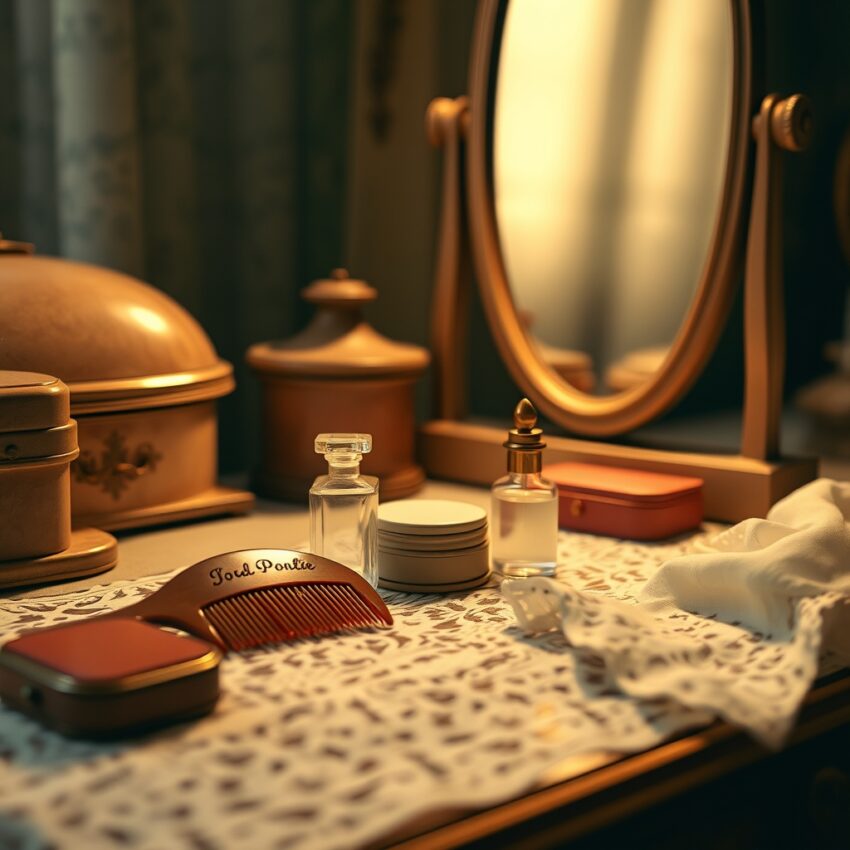
Bu nesnenin şehir ve ev belleğinde görünmeden iz bırakmasının nedeni, hayatın en mahrem ve en tekrar eden anlarında yer almasıdır. Sabah okula yetişmeye çalışan çocukların aceleyle saçını tarayan anne eli, tıraş sonrası aynanın karşısında saçını düzelten baba, misafir gelmeden önce konsolun önünde son kez topuzunu toplayan kadın, hepsi aynı nesneyle temas ederdi. Çekmecede duran pudra kutusu, kolonya şişesi, küçük ayna ve dantel örtüyle birlikte bakalit tarak bir hazırlık düzeninin parçasıydı. Kimse ona uzun uzun bakmazdı; fakat o, odaya ait terbiyeyi, bakım anlayışını ve düzen duygusunu sessizce tamamlar, evin görünüşüne kadar uzanan bir estetik hattı desteklerdi.
Bir dönemin zevk anlayışını yansıtması biraz da burada başlar. Şatafatsız ama özensiz olmayan, dayanıklı ama kabalaşmayan, kullanışlı olduğu kadar göze de hitap eden eşyalara duyulan ilgi, bakalit tarağın biçiminde toplanır. O dönemin insanı için güzellik yalnız salondaki büyük eşyalarda değil; elin her gün değdiği küçük nesnelerde de aranırdı. Tarak dişlerinin sıklığı, sapının kavranışı, yüzeyinin ışıkta bıraktığı yumuşak parlama, hepsi bu anlayışın parçasıydı. Bu yüzden bakalit tarak, görünüşte basit bir eşya olmasına rağmen, ev içi zarafetin demokratik bir örneği gibi düşünülebilir. Gündelik olanın içinde estetik arama alışkanlığı onun üstünde açıkça görünür.
Bugün bakalit tarağı hatırladığımızda aklımıza yalnız eski bir bakım nesnesi gelmez. Aynı zamanda bir dönemin sessiz terbiyesi, maddi kültürü ve ev içi düzen anlayışı da gelir. Onun bıraktığı iz görünmezdir; çünkü büyük olaylarla değil, tekrar eden dokunuşlarla oluşur. Fakat tam da bu yüzden kalıcıdır. Çekmecede sessizce parlayan o küçük nesne, bir çağın güzellik fikrini yüksek sesle değil, gündelik hayatın içine karışarak anlatır. Bakalit tarak unutulmazsa, bunun sebebi eski eşyalara duyulan kuru merak değildir. Sebep, o küçük nesnenin her günün içinde kaybolmadan, tam tersine her güne biçim vererek yaşamasıdır.
🇬🇧 English | Quiet Elegance Shining in the Drawer
There was a time when bakelite combs rested quietly on mirrored consoles, inside bedroom drawers, or in small boxes left beside the sewing machine. They seemed like ordinary parts of everyday use, yet they belonged to the elegant order of morning preparation, evening tidying, and domestic routine. The faint friction sound as they moved through the hair, their glossy surface in dark amber or near-black tones, the weight that sat properly in the hand, and the regular line of their teeth all carried the aesthetic sensibility of an era in miniature. People often used such combs without noticing them. Yet it was precisely within that invisibility that their trace became larger. Some objects tell the taste of an age most clearly by blending into daily life.
From the perspective of object stories, the bakelite comb is a strong example of how function and aesthetics met in early modern domestic life. The spread of a synthetic material like bakelite shows not only a change in manufacturing techniques, but also a shift in expectations about the visual language of household goods. The comb was no longer merely a tool to arrange the hair. It could also be displayed in a cabinet, placed in a trousseau, or given as a gift. Some models had rounded edges, some marbled tones, others small carved details. Those subtle design choices carried the simple but careful taste of the period into even the most ordinary corner of the home.
The reason this object left an unseen mark in household and urban memory is that it occupied the most intimate and repetitive moments of life. A mother hurrying to comb a child’s hair before school, a father smoothing his hair in the mirror after shaving, a woman gathering her bun one last time before guests arrived, all touched the same kind of object. Resting beside a powder box, a cologne bottle, a small mirror, and a lace cloth, the bakelite comb belonged to a larger ritual of preparation. No one stared at it for long, yet it quietly completed the room’s sense of order, care, and appearance, extending its influence all the way to the visual discipline of the home.
This is also where it begins to reflect the taste of an era. The preference for objects that were unshowy but not careless, durable without turning coarse, and practical while still pleasing to the eye gathered in the form of the bakelite comb. For the people of that period, beauty was sought not only in large furnishings placed in the salon, but also in small objects touched every day. The spacing of the teeth, the way the handle fit the hand, and the soft glimmer cast by the surface in the light were all part of that sensibility. For that reason, the bakelite comb can be seen as a democratic example of domestic elegance. The habit of searching for beauty in the everyday appears clearly upon it.
When we remember the bakelite comb now, what comes to mind is not merely an old grooming tool. We also recall a period’s quiet discipline, material culture, and sense of domestic order. The trace it left is invisible because it was formed not through major events, but through repeated touch. Yet that is exactly why it remains lasting. That small object shining quietly in the drawer speaks of an age’s idea of beauty not loudly, but by dissolving into daily life itself. If the bakelite comb remains memorable, it is not because of dry curiosity toward old things. It is because it lived within each day without disappearing, and in doing so gave shape to each day.
🇧🇷 Português (Brasil) | A Elegância Silenciosa que Brilhava na Gaveta
Houve um tempo em que os pentes de baquelite ficavam em silêncio sobre penteadeiras com espelho, dentro das gavetas do quarto ou em pequenas caixas deixadas ao lado da máquina de costura. Pareciam parte comum do uso cotidiano, mas pertenciam à ordem elegante dos preparativos da manhã, do arranjo do fim do dia e da disciplina da casa. O leve som de atrito ao passar pelos cabelos, a superfície brilhante em tons de âmbar escuro ou quase preto, o peso que se encaixava bem na mão e a linha regular de seus dentes carregavam, em miniatura, o senso estético de uma época. Muitas vezes as pessoas usavam esse pente sem notar. Mas era justamente nessa invisibilidade que o seu rastro crescia. Há objetos que contam o gosto de um tempo com mais clareza quando se misturam à vida comum.
Do ponto de vista das histórias dos objetos, o pente de baquelite é um bom exemplo de como função e estética se encontravam na vida doméstica do início da modernidade. A difusão de um material sintético como a baquelite mostra não apenas a mudança das técnicas de produção, mas também a transformação das expectativas em relação à linguagem visual dos objetos da casa. O pente deixava de ser apenas um instrumento para arrumar os cabelos. Podia ser exibido na vitrine, incluído no enxoval ou dado de presente. Alguns modelos tinham bordas arredondadas, outros traziam tons marmorizados, outros ainda pequenos detalhes entalhados. Essas escolhas discretas de forma levavam o gosto simples, porém cuidadoso, daquele período até os cantos mais comuns da casa.
O motivo de esse objeto ter deixado um rastro quase invisível na memória da casa e da cidade está no fato de ele participar dos momentos mais íntimos e repetidos da vida. A mão da mãe penteando depressa o cabelo da criança antes da escola, o pai ajeitando o penteado diante do espelho depois do barbear, a mulher arrumando o coque pela última vez antes da visita chegar, todos tocavam o mesmo tipo de objeto. Ao lado da caixa de pó, do frasco de colônia, do pequeno espelho e da toalhinha de renda, o pente de baquelite fazia parte de um ritual maior de preparo. Ninguém ficava olhando longamente para ele, mas ele completava em silêncio a sensação de ordem, cuidado e apresentação do ambiente, sustentando uma linha estética que alcançava toda a aparência da casa.
É aí também que ele começa a refletir o gosto de uma época. A preferência por objetos discretos, mas não desleixados, duráveis sem se tornarem grosseiros, úteis e ao mesmo tempo agradáveis aos olhos, se reunia na forma do pente de baquelite. Para as pessoas daquele período, a beleza não era procurada apenas nos grandes móveis da sala, mas também nos pequenos objetos tocados todos os dias. O espaçamento dos dentes, a forma da pega, o brilho suave que a superfície devolvia à luz, tudo isso fazia parte dessa sensibilidade. Por isso, o pente de baquelite pode ser visto como um exemplo democrático da elegância doméstica. O hábito de procurar beleza no que é cotidiano aparece nele com clareza.
Quando lembramos hoje do pente de baquelite, não pensamos apenas num antigo objeto de cuidado pessoal. Vem junto a lembrança de uma disciplina silenciosa, de uma cultura material e de um senso de ordem dentro da casa. O rastro que ele deixou é invisível porque foi construído não por grandes acontecimentos, mas por toques repetidos. E justamente por isso é duradouro. Aquele pequeno objeto brilhando em silêncio na gaveta fala da ideia de beleza de uma época não em voz alta, mas misturando-se à própria vida diária. Se o pente de baquelite continua inesquecível, não é por uma curiosidade seca pelas coisas antigas. É porque ele viveu dentro de cada dia sem desaparecer e, desse modo, ajudou a dar forma a cada dia.