🇹🇷 Türkçe | anneanne kurabiyesi: aile tarifleri içinde neden özel bir yere sahip ve eski mutfak kültürünü nasıl yaşatıyor
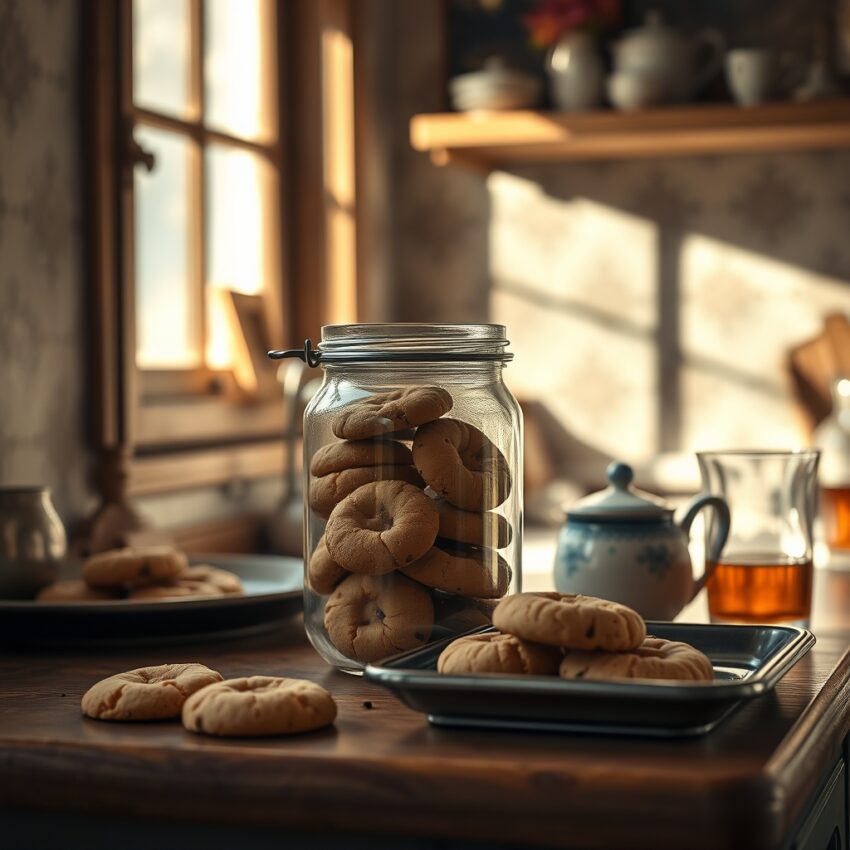
Bazı tatlar ilk lokmada yalnız damağa değil, evin bütün seslerine dokunur. Anneanne kurabiyesi de böyledir. Fırından yeni çıkmış tepsinin mutfağa yaydığı tereyağı kokusu, cam kavanozun kapağı açılırken duyulan hafif ses, çayın yanına tabağa dizilen birkaç sade ama tanıdık parça, insanı bir anda eski evlerin güvenli düzenine götürür. Bu kurabiye çoğu zaman pastane gösterişinden uzaktır; şekli mükemmel olmayabilir, üzerindeki çatlaklar birbirini tutmayabilir, bazen üzerine pudra şekeri serpilir bazen hiç süslenmez. Ama tam da bu kusursuz olmayış, ona aile mutfağının sahici sıcaklığını verir. Çünkü anneanne kurabiyesi tariften çok el alışkanlığı, ölçüden çok göz kararı ve ikramdan çok sevgiyle hatırlanır.
Damak Hafızası içinde anneanne kurabiyesinin özel yeri, nesilden nesile yalnız malzeme değil mutfak tavrı taşımasından gelir. Birçok evde tarif tam yazılı değildir; “bir bardak kadar”, “elin kaldırdığı kadar un”, “rengi dönene dek” gibi sözlü ölçülerle aktarılır. Bu belirsizlik eksiklik değil, deneyimin kendisidir. Hamuru yoğuran elin sertliği, tereyağının oda sıcaklığındaki hâli, fırının ne kadar hızlı kızardığı bilgisi, tarifi yaşayan bir şey yapar. Anneanne denildiğinde akla gelen de budur: standart reçete değil, yılların biriktirdiği hissiyat. Kurabiyenin aile tarifleri içinde özel bir yerde durmasının nedeni, herkesin aynı tarifi yapamaması değil; aynı şefkat tonunu kolay kolay kuramamasıdır. Tat, burada yalnız ağızda değil, davranış biçiminde de saklanır.
Eski mutfak kültürünü yaşatması biraz da üretim ritminden kaynaklanır. Anneanne kurabiyesi çoğu zaman bir hevesle değil, ev düzeni içinde uygun görülen bir anda yapılırdı. Un elenir, tepsi yağlanır, mutfak bezleri hazır edilir, çocuk varsa hamurdan küçük parçalar koparmasına göz yumulur, ama asıl iş yine tecrübeli ele bırakılırdı. Fırının kapağı sık açılmaz, ilk tepsi çıkınca evin içine yayılan koku herkese haber olurdu. Kurabiyeler soğumadan kavanoza girmeyişi, komşuya birkaç tane ayrılması, bayramdan bayrama değil sıradan günlerde de yapılması, bu geleneği daha da değerli kılardı. Çünkü eski mutfak kültürü yalnız büyük sofralarda değil, çayın yanına sessizce bırakılan küçük eşlikçilerde de yaşardı. Anneanne kurabiyesi tam bu sessiz sürekliliğin tatlı tarafıdır.
Bu kurabiyenin hafızada güçlü kalmasının bir nedeni de ev içi zamanla kurduğu bağdır. Okuldan gelen çocuk için tezgahta duran kavanoz bir ödül gibi görünür, misafir geldiğinde “ev yapımıdır” cümlesi hafif bir gururla söylenir, uzun oturmaların sonuna doğru tabağın dibinde kalan son iki parça genellikle en çok değer görenler olurdu. Kurabiye yalnız yenmez; onun etrafında bekleme, saklama, paylaşma ve ikram etme alışkanlıkları da yaşar. Anneden kıza, anneanneden toruna geçen şey burada yalnız malzeme listesi değildir. Mutfakta acele etmeden bulunma hâli, hamura dokunma biçimi, çıkan tepsinin sıcaklığına saygı, kavanozu doldururken yarını da düşünme alışkanlığıdır. Bu yüzden kurabiye, mutfak kültürünün küçük ama dirençli bir taşıyıcısına dönüşür.
Bugün anneanne kurabiyesinin neden aile tarifleri içinde bu kadar özel kaldığını sorduğumuzda, cevap biraz da sadeliğin taşıdığı yoğunlukta bulunur. O, büyük kutlamalara muhtaç olmadan ev hissi yaratabilen ender tatlardan biridir. İçinde eski mutfakların ekonomisi, ölçülülüğü, israf etmeyen eli ve paylaşmayı doğal sayan ahlakı vardır. Eski mutfak kültürünü yaşatmasının nedeni de budur. Çünkü kurabiye bize yalnız nasıl pişirildiğini değil, bir zamanlar evde zamanın nasıl tutulduğunu da hatırlatır. Kavanozun içindeki birkaç parça, bir ailenin sabrını, ikram dilini ve sıcaklığını yıllar sonra bile anlatmaya devam eder.
🇬🇧 English | Grandmother’s Cookie: Why Does It Hold a Special Place Among Family Recipes and How Does It Keep Old Kitchen Culture Alive?
Some flavors touch not only the palate at the first bite, but all the sounds of the home at once. Grandmother’s cookie belongs to that kind. The smell of butter spreading through the kitchen from a tray just out of the oven, the soft sound made when the glass jar is opened, and the few simple but familiar pieces placed beside tea can carry a person at once into the secure order of older homes. This cookie is usually far removed from pastry-shop display. Its shape may not be perfect, the cracks on its surface may not match, and sometimes powdered sugar is scattered over it while at other times it is left plain. Yet precisely this lack of perfection gives it the authentic warmth of the family kitchen. Grandmother’s cookie is remembered less as a formula than as a habit of the hand, less as a measured recipe than as an act of affection.
Its special place within taste memory comes from the fact that it carries not only ingredients, but an entire kitchen attitude from one generation to the next. In many homes the recipe is never fully written down. It is transmitted through phrases such as “about one glass,” “as much flour as the hand can bear,” or “until the color turns.” This vagueness is not a deficiency, but the experience itself. The firmness of the kneading hand, the state of the butter at room temperature, the knowledge of how quickly the oven browns the dough all make the recipe a living thing. That is what comes to mind when one says grandmother: not a standardized formula, but a feeling accumulated over years. The reason the cookie holds such a special place among family recipes is not simply that not everyone can reproduce it, but that not everyone can reproduce the same tone of care. Here flavor is preserved not only in the mouth, but in a way of behaving.
Its ability to keep old kitchen culture alive also comes from its rhythm of preparation. Grandmother’s cookie was not usually baked on a sudden whim, but at a moment considered fitting within the order of the home. Flour was sifted, the tray was greased, kitchen towels were set aside, and if children were present they might be allowed to pinch off little pieces of dough, though the real work remained with the experienced hand. The oven door was not opened too often, and when the first tray came out, the smell spreading through the house announced it to everyone. The cookies would not be put into the jar before cooling, a few would be separated for a neighbor, and they might be made not only on holidays, but also on ordinary afternoons. That made the tradition even more precious. Old kitchen culture lived not only in grand meals, but also in small companions quietly placed beside tea. Grandmother’s cookie is the sweet face of that quiet continuity.
Another reason it remains so strong in memory is the bond it forms with domestic time. For a child returning from school, the jar on the counter appears almost like a reward. When guests arrive, the phrase “they are homemade” is spoken with a gentle pride. Toward the end of long visits, the last two pieces left on the plate are usually the ones valued most. The cookie is never simply eaten. Around it survive habits of waiting, storing, sharing, and offering. What passes from mother to daughter or grandmother to grandchild is not merely a list of ingredients. It is the condition of staying in the kitchen without haste, the way the dough is touched, the respect shown to the heat of the fresh tray, and the habit of filling the jar with tomorrow in mind. For that reason, the cookie becomes a small but resilient carrier of kitchen culture.
When we ask today why grandmother’s cookie remains so special among family recipes, the answer lies partly in the density carried by simplicity. It is one of the rare tastes capable of creating the feeling of home without requiring a grand celebration. Within it live the economy of old kitchens, their restraint, their refusal to waste, and an ethic that treated sharing as natural. That is also why it keeps old kitchen culture alive. The cookie reminds us not only how something was baked, but how time was once held inside the home. A few pieces inside a glass jar can continue, even years later, to tell the story of a family’s patience, hospitality, and warmth.
🇧🇷 Português (Brasil) | Biscoito de Vó: Por Que Ele Tem um Lugar Especial Entre as Receitas de Família e Como Mantém Viva a Antiga Cultura da Cozinha?
Alguns sabores tocam, na primeira mordida, não apenas o paladar, mas todos os sons da casa ao mesmo tempo. O biscoito de vó é assim. O cheiro de manteiga que se espalha pela cozinha quando a assadeira sai do forno, o leve som da tampa do pote de vidro se abrindo e as poucas unidades simples, mas conhecidas, colocadas ao lado do chá levam a pessoa diretamente para a ordem segura das casas antigas. Esse biscoito quase nunca pertence ao mundo exibido das confeitarias. Sua forma pode não ser perfeita, as rachaduras podem não combinar umas com as outras, e às vezes ele recebe açúcar de confeiteiro, enquanto em outras vezes fica completamente simples. Mas é justamente essa imperfeição que lhe dá o calor verdadeiro da cozinha de família. O biscoito de vó é lembrado menos como fórmula do que como costume da mão, menos como receita medida do que como gesto de afeto.
Seu lugar especial na memória do paladar vem do fato de transmitir não só ingredientes, mas uma atitude inteira de cozinha de uma geração para outra. Em muitas casas a receita nunca aparece totalmente escrita. Ela é passada em frases como “mais ou menos um copo”, “farinha até a massa pedir” ou “até pegar cor.” Essa imprecisão não é falha, e sim a própria experiência. A firmeza da mão que amassa, o ponto da manteiga em temperatura ambiente e o conhecimento de quão rápido o forno doura fazem da receita algo vivo. É isso que se pensa quando se diz vó: não uma fórmula padronizada, mas uma sensação acumulada ao longo dos anos. O motivo de esse biscoito ocupar um lugar tão especial entre as receitas de família não é apenas o fato de nem todos conseguirem repeti-lo, mas o fato de nem todos conseguirem repetir o mesmo tom de cuidado. Aqui o sabor é guardado não só na boca, mas também numa forma de agir.
O fato de ele manter viva a antiga cultura da cozinha também vem do ritmo com que é preparado. O biscoito de vó não costuma surgir de um impulso repentino, mas de um momento considerado adequado dentro da ordem da casa. Peneira-se a farinha, unta-se a assadeira, separam-se os panos de prato e, se houver crianças por perto, elas até podem arrancar pedacinhos da massa, embora o trabalho principal continue nas mãos experientes. A porta do forno não se abre o tempo todo e, quando a primeira leva sai, o cheiro se espalha pela casa como um aviso para todos. Os biscoitos não vão para o pote antes de esfriarem, alguns são separados para a vizinha e eles podem ser feitos não apenas em datas festivas, mas também em tardes comuns. Isso torna a tradição ainda mais preciosa. A antiga cultura da cozinha vivia não só nas grandes refeições, mas também nesses pequenos acompanhamentos silenciosamente colocados ao lado do chá. O biscoito de vó é a face doce dessa continuidade discreta.
Outra razão para ele permanecer tão forte na memória é o vínculo que cria com o tempo doméstico. Para a criança que volta da escola, o pote sobre a bancada parece quase um prêmio. Quando chega visita, a frase “foi feito em casa” costuma ser dita com um orgulho contido. Perto do fim das conversas longas, os dois últimos biscoitos no prato geralmente se tornam os mais valiosos. O biscoito nunca é apenas comido. Ao redor dele sobrevivem hábitos de esperar, guardar, repartir e oferecer. O que passa de mãe para filha ou de avó para neta não é simplesmente uma lista de ingredientes. É a capacidade de permanecer na cozinha sem pressa, o jeito de tocar a massa, o respeito pelo calor da assadeira recém-saída e o costume de encher o pote pensando também no amanhã. Por isso o biscoito se transforma num pequeno, mas resistente, portador da cultura da cozinha.
Quando perguntamos hoje por que o biscoito de vó continua tão especial entre as receitas de família, a resposta está em parte na densidade carregada pela simplicidade. Ele é um dos raros sabores capazes de criar sensação de casa sem depender de grande celebração. Dentro dele vivem a economia das cozinhas antigas, sua medida, a mão que evita desperdício e uma ética que tratava o compartilhamento como algo natural. É por isso também que ele mantém viva a antiga cultura da cozinha. O biscoito nos lembra não apenas como algo era assado, mas também como o tempo era guardado dentro da casa. Algumas unidades dentro de um pote de vidro continuam, mesmo muitos anos depois, contando a história da paciência, da hospitalidade e do calor de uma família.