🇹🇷 Türkçe | Cam Açtıran Sabahların Renkli Haberleri
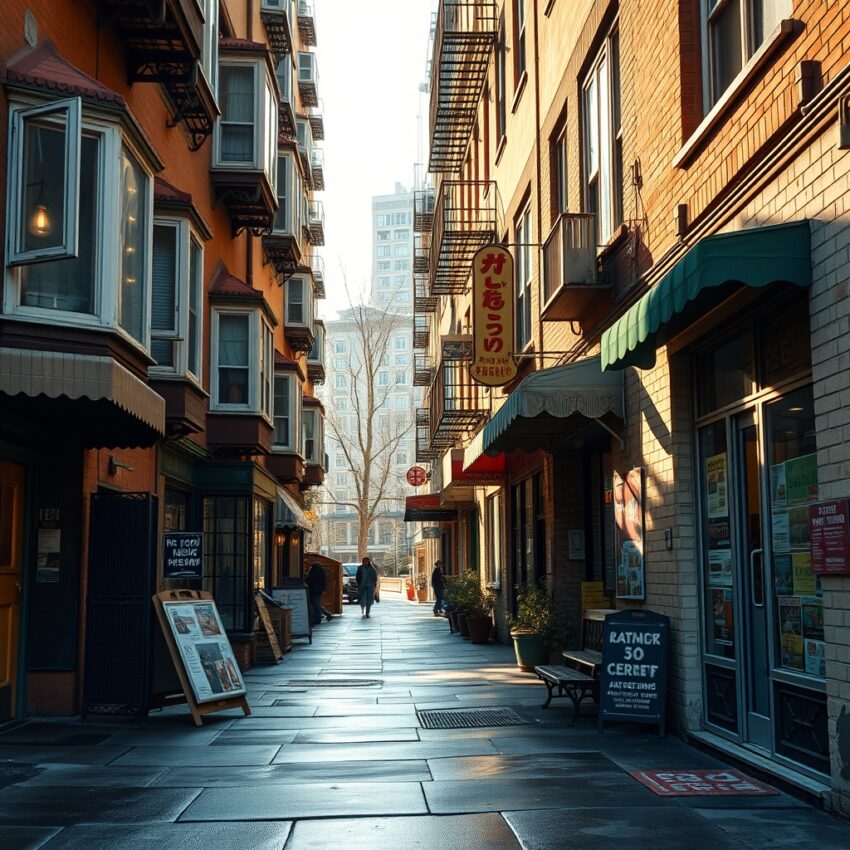
Bir zamanlar sabah, sadece güne başlamak değil; mahallenin ritmini yeniden duymak demekti. Daha güneş tam yükselmeden açık pencere aralıklarından içeri ince bir serinlik süzülür, sokağın taşına su serpmiş kapıcıların ıslak izi parıldar, uzaktan gelen simitçinin sesiyle ilk hareket başlardı. Tam o saatlerde, elde taşınan tomarlar hâlinde el ilanları da şehre yayılırdı. Bazen yeni açılan bir mağazanın haberi, bazen sinema matinesi, bazen bir kumaş indirimi, bazen de yaklaşan bir mahalle şenliğinin duyurusu bu renkli kâğıtlara basılırdı. Cam açtıran sabahların hafızada sıcak kalmasının nedeni biraz da buydu: şehir, günün ilk saatlerinde kendi haberini kendi sesiyle dağıtırdı.
Zamanın İzinde bakıldığında el ilanları sıradan bir tanıtım malzemesinden fazlasını taşır. Eski gazetelerin kenarında, dükkân camekânlarında, apartman girişlerinde ve pazar çantalarının dibinde kalan bu kâğıtlar, şehir hayatının küçük ama canlı arşivleridir. Bir kentin ekonomik hareketliliği, kültürel merakı ve gündelik telaşı çoğu kez onların diliyle görünür hâle gelirdi. Büyük manşetlerin resmî tonundan farklı olarak el ilanları daha doğrudan, daha sokak diliyle konuşurdu. Renkleri dikkat çeker, kelimeleri acele etmeden okunur, bazen bir dükkâna uğramak, bazen bir etkinliğe gitmek, bazen yalnızca “şehirde bir şey oluyor” duygusunu hissetmek için elde tutulurdu.
Bu dönemin unutulmayan ayrıntıları, şehir belleğinde neden derin bir iz açıldığını açıkça gösterir. Apartman kapısının önüne bırakılmış birkaç ilan, fırından çıkmış ekmek kokusuna karışan matbaa mürekkebi, çocukların yere düşen kâğıtları merakla çevirip resimlerine bakması, annelerin mutfak masasının köşesine “sonra okunacak” diye ayırdığı broşürler, hep aynı sabah kültürünün parçasıydı. Bir ilanın üstünde kalın kırmızı harflerle yazılmış bir kampanya, başka bir ilanda tiyatro duyurusu ya da yeni gelen yazlık kumaşların resmi bulunurdu. Böylece şehir, yalnız duvarlarıyla değil kâğıt yüzeyleriyle de konuşurdu. İnsanlar o sesin bir parçası olmak için pencereyi biraz daha açar, kapının önüne bir adım daha yaklaşırdı.
El ilanlarının şehirle kurduğu bağ, aynı zamanda toplumsal bir temas biçimiydi. Bugün tek tuşla ulaşılabilen haberler o yıllarda sokakta karşılaşılır, elde tutulur, katlanır, cebe konur, sonra eve taşınırdı. Bu fiziksel dolaşım, haberin daha kalıcı hissedilmesini sağlardı. Bir manifaturacının bastırdığı küçük afiş, mahallenin kadınları arasında bir sohbet başlatabilir; sinema ilanı, çocukların bütün günü aynı filme göre hayal kurmasına yol açabilirdi. Şehir, bu küçük kâğıtlar aracılığıyla yalnız bilgi dağıtmıyor; ortak bir merak duygusu da kuruyordu. Pencereyi açtıran şey sadece sabah serinliği değil, sokakta dolaşan canlılığın eve kadar ulaşmasıydı.
Bugün o renkli ilanları düşündüğümüzde özlediğimiz şey yalnız eski baskı teknikleri ya da solmuş tipografiler değildir. Asıl özlenen, şehrin haberle kurduğu somut ve sıcak ilişkidir. Cam açtıran sabahlar, bir kuşağa gündelik hayatın ne kadar ortak yaşandığını hatırlatır. El ilanları belki geçiciydi, kolayca buruşturuluyor, çekmecelerde unutuluyor ya da pazar listesinin altına karışıyordu; ama bıraktıkları iz geçici değildi. Çünkü onlar bir dönemin nabzını taşıyordu. Şehir belleğinde derin yer etmelerinin nedeni de tam burada saklıdır: bir sabahın serinliğinde, kâğıdın rengiyle haberin heyecanı birbirine karışır ve gündelik hayat hafızaya usulca yerleşirdi.
🇬🇧 English | The Colorful News of Mornings That Opened the Windows
There was a time when morning meant more than beginning the day; it meant hearing the rhythm of the neighborhood return. Before the sun had fully risen, a thin coolness slipped through open windows, the wet traces left by porters splashing water on the pavement caught the light, and the first movement began with the distant call of the simit seller. At those very hours, bundles of flyers also spread through the city by hand. Sometimes they announced a newly opened shop, sometimes a cinema matinee, sometimes a fabric sale, and sometimes an upcoming neighborhood fair. Part of the reason those window-opening mornings remain warm in memory is this: in its first hours, the city distributed its own news in its own voice.
Seen in the trail of time, flyers carried more than the function of ordinary promotion. These papers, tucked beside old newspapers, left in shop windows, slipped into apartment entrances, or forgotten at the bottom of market bags, became small but vivid archives of city life. The economic motion of a town, its cultural curiosity, and its daily hurry often became visible through their language. Unlike the formal tone of major headlines, flyers spoke more directly, in the idiom of the street. Their colors drew attention, their words were read without haste, and they were held in the hand not only to decide whether to visit a shop or an event, but also to feel that something was happening in the city.
The forgotten details of that period show clearly why such mornings left a deep mark on urban memory. A few leaflets placed before an apartment door, the smell of printing ink mixing with bread just out of the oven, children turning over papers dropped on the ground to study their pictures, mothers setting aside brochures on the corner of the kitchen table to read later, all belonged to the same morning culture. One leaflet might carry a campaign in bold red letters, another a theater notice, another the image of newly arrived summer fabrics. In that way, the city spoke not only through its walls but through the surfaces of paper. People opened the window a little wider, stepped a little closer to the door, and entered that voice.
The bond created by flyers was also a social form of contact. Information that today arrives with a tap once appeared in the street, could be held in the hand, folded, slipped into a pocket, and carried home. That physical circulation made news feel more lasting. A small leaflet printed by a dry-goods shop could start a conversation among neighborhood women; a cinema handbill might cause children to imagine the same film all day long. Through those small papers the city did more than distribute information. It built a shared feeling of curiosity. What opened the windows was not only the cool morning air, but the sense that the life moving outside had reached the home itself.
When we think of those colorful flyers now, what we miss is not merely old printing methods or faded typography. What is truly missed is the warm, tangible relationship the city once had with news. Mornings that made people open the windows remind a generation how collectively daily life used to be lived. Flyers may have been temporary, easily crumpled, forgotten in drawers, or buried beneath shopping lists, yet the mark they left was not temporary at all. They carried the pulse of an era. That is why they remain so deep in urban memory: in the coolness of a morning, the color of paper and the excitement of news merged, and everyday life quietly settled into remembrance.
🇧🇷 Português (Brasil) | As Notícias Coloridas das Manhãs que Faziam Abrir as Janelas
Houve um tempo em que a manhã não significava apenas o começo do dia; significava ouvir de novo o ritmo do bairro. Antes de o sol subir por completo, uma brisa fresca entrava pelas frestas das janelas abertas, o brilho da água jogada na calçada pelos zeladores ainda aparecia sobre as pedras, e o primeiro movimento começava com o chamado distante do vendedor de simit. Era justamente nessas horas que os panfletos também se espalhavam pela cidade em maços levados à mão. Às vezes anunciavam uma loja recém-inaugurada, às vezes uma matinê no cinema, uma promoção de tecidos ou a chegada de uma festa de bairro. Parte da razão de essas manhãs continuarem tão quentes na lembrança está aí: nas primeiras horas do dia, a cidade distribuía suas próprias notícias com a sua própria voz.
Seguindo o rastro do tempo, os panfletos carregavam mais do que a função comum de divulgar algo. Esses papéis guardados ao lado de jornais velhos, deixados em vitrines, colocados na entrada dos prédios ou esquecidos no fundo das sacolas de feira se tornaram pequenos, mas vivos, arquivos da vida urbana. O movimento econômico de uma cidade, sua curiosidade cultural e sua correria cotidiana muitas vezes apareciam por meio da linguagem desses impressos. Diferentemente do tom mais oficial das grandes manchetes, os panfletos falavam de maneira mais direta, mais próxima da rua. Suas cores chamavam atenção, suas palavras eram lidas sem pressa, e eles eram mantidos nas mãos não só para decidir ir a uma loja ou a um evento, mas também para sentir que alguma coisa estava acontecendo na cidade.
Os detalhes esquecidos desse período mostram com clareza por que essas manhãs deixaram uma marca tão profunda na memória urbana. Alguns panfletos deixados diante da porta do prédio, o cheiro de tinta gráfica se misturando ao pão recém-saído do forno, crianças virando os papéis que caíam no chão para olhar as imagens, mães separando um folheto no canto da mesa da cozinha para ler depois, tudo isso fazia parte da mesma cultura matinal. Um panfleto trazia uma promoção em letras vermelhas bem grossas; outro anunciava uma peça de teatro; outro mostrava os novos tecidos leves da estação. Assim, a cidade falava não apenas por suas paredes, mas também pela superfície dos papéis. As pessoas abriam um pouco mais a janela, davam mais um passo em direção à porta e entravam nessa voz.
O vínculo criado pelos panfletos com a cidade era também uma forma social de contato. Informações que hoje chegam com um toque na tela antes apareciam na rua, podiam ser seguradas, dobradas, colocadas no bolso e levadas para casa. Essa circulação física fazia a notícia parecer mais duradoura. Um pequeno impresso de uma loja de tecidos podia abrir conversa entre as mulheres do bairro; um folheto de cinema podia fazer as crianças passarem o dia inteiro imaginando o mesmo filme. Por meio desses pequenos papéis, a cidade não distribuía apenas informação. Ela criava uma curiosidade compartilhada. O que fazia abrir as janelas não era somente o ar fresco da manhã, mas a sensação de que a vida que circulava lá fora havia chegado até dentro de casa.
Quando pensamos hoje nesses panfletos coloridos, o que faz falta não são apenas os antigos métodos de impressão ou as tipografias já desbotadas. O que realmente faz falta é a relação concreta e calorosa que a cidade mantinha com a notícia. As manhãs que faziam abrir as janelas lembram a uma geração o quanto a vida cotidiana já foi vivida em comum. Os panfletos podiam ser passageiros, amassados com facilidade, esquecidos em gavetas ou soterrados sob listas de compras, mas o rastro que deixaram não foi passageiro. Eles levavam o pulso de uma época. É por isso que permanecem tão profundamente na memória urbana: no frescor de uma manhã, a cor do papel e a emoção da notícia se misturavam, e a vida comum se instalava devagar na lembrança.