Eski Pano
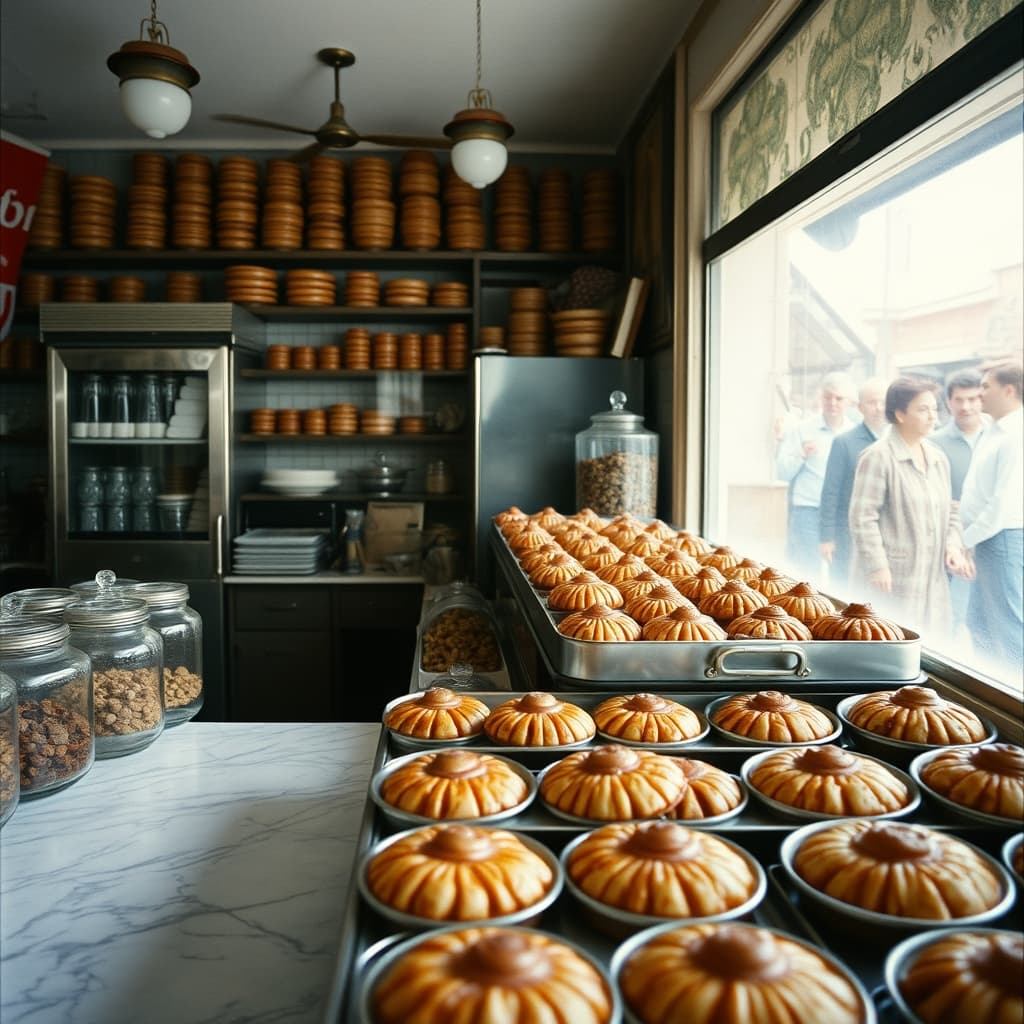
There was a time when the kazandibi resting behind the glass of the neighborhood pudding shop was more than a dessert. It was a subtle sign that the season was changing. As people moved out of winter’s heavier meals into the cool evenings of spring or the lightly melancholy days at summer’s end, those thin plates carrying the scent of burnt milk made one feel that the order of the kitchen was softening along with the weather. The marble counter of the pudding shop, the yellowed price list on the wall, the biscuit jars in the glass case, and the sound of pots coming from the back room created a modest yet powerful world around kazandibi. The meeting of cool milkiness and the slight burnt taste felt in the first spoonful was like an elegant language for describing transitional times in old city life.
As part of taste memory, kazandibi is one of the desserts of old kitchen culture that demands both skill and measure. Every tray placed in the display of the neighborhood pudding shop was not simply a sweet made from milk and sugar. It was the result of achieving the right consistency, caramelizing the bottom, and presenting simplicity with refinement. In earlier decades, neighborhood pudding shops were less showy than large pastry houses, yet they were more intimate stations of daily flavor. People stopped by after school, picked up a parcel on the way home in the evening, and asked, “is the kazandibi fresh?” when guests were expected. Part of the way this dessert keeps old kitchen culture alive comes from exactly that place. It brings together the discipline of homemade milk desserts and the craftsmanship of neighborhood shopkeeping on the same plate.
The reason it becomes more meaningful during seasonal transitions is that kazandibi carries a taste perfectly suited to in-between states. It is neither as heavy as baklava nor as fleeting as a dessert made only for the hottest days. It is served cool, yet because of its lightly burnt bottom it still holds the warmth of the stove within it. That double quality creates a special place on the palate while moving from spring to summer, from summer to autumn, or from winter toward the first mild days. While eating it, a person senses more than flavor. One also feels that the season is changing and that the mood of the kitchen, the ingredients used, and the evening table are shifting as well. A small packet of kazandibi brought home from the neighborhood pudding shop often became the edible form of saying, “the weather is turning.”
Another reason it preserves old kitchen culture is that it carries elegance without disturbing simplicity. Kazandibi does not require elaborate decoration. If it is made well, the marks of caramelization on its own surface, the balance of its texture, and the calm of its cool serving are enough. This reflects one of the main qualities of older cooking culture: deepening flavor without exaggerating ingredients. The mothers stirring milk desserts at the stove, the grandmothers carefully measuring starch, and the neighborhood pudding masters patiently turning their trays all belong to the same line. Kazandibi may seem to belong to the shop window, yet at the same time it continues the domestic values of measure, clarity, and clean taste.
The reason it still feels especially meaningful in times of seasonal change, and why it has not been forgotten, lies in the fact that it attaches itself not only to taste, but to the rhythm of life. Some desserts belong to celebration, some to display. Kazandibi, by contrast, settles gracefully into ordinary days. It is bought while returning from an evening walk, shared within the family, eaten beside tea, and sometimes brought home as a quiet reward. That is why the kazandibi of the neighborhood pudding shop remained in memory not only as a dessert, but as a flavorful counterpart to the changing mood of the seasons in old cities. The secret of how it still keeps old kitchen culture alive lies exactly there: in bringing together simplicity and mastery, coolness and the trace of the stove, daily life and memory in the same spoonful.
Neighborhood Pudding Shop Kazandibi: Why Does It Gain Even More Meaning During Seasonal Transitions and How Does It Keep Old Kitchen Culture Alive?