Eski Pano
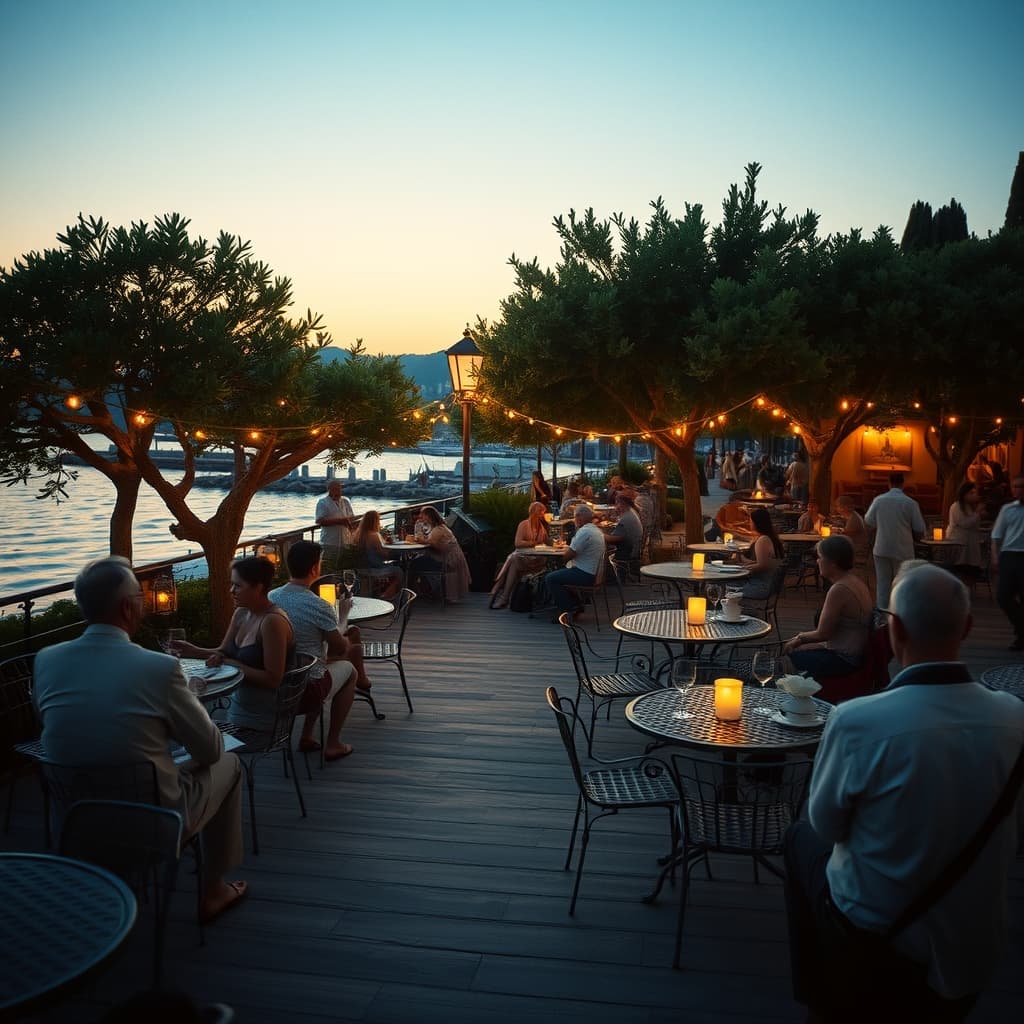
There was a time when summer evenings descended slowly toward the shore, and just before darkness settled, a fine scent of linden spread through the gardens lining the waterfront. In small gazinos, municipal gardens, or hotel terraces, orchestras tested their instruments gently, the light tap of a drum mingling with the polished voice of a violin. People dressed in their neatest clothes before the night had properly begun, children's hair was smoothed with water, and mothers placed thin cardigans on their shoulders. Suspended between the coolness from the sea and the fragrance rising from the gardens, these hours were not simply a form of entertainment but a scene that expressed the holiday spirit of an entire era. If those nights seem brighter when we look back now, it is partly because memory preserved not only the music, but the whole life gathered around it.
Seen in the trail of time, summer orchestras playing by the shore also represented a new social rhythm shaped by modernity in coastal towns and seasonal resorts. Songs familiar from gramophones, radios, and later records could now be heard live in the open air, and new ways of appearing in public, vacationing, and sharing space emerged through such evenings. Old newspapers often mentioned summer concerts, municipal garden programs, and musical hours before open-air cinema screenings for exactly this reason. When an orchestra played by the water, a place became memorable not only through the sea but through sound. Those melodies carried a collective joy that did not remain enclosed within one class or one venue. At one table someone drank soda, at another lemonade, somewhere else plain coffee, yet within the feeling created around the music everyone seemed close to one another.
One reason those nights appear brighter in memory is that everyday life had found its own ceremony in those hours. Children ran through the gardens near the shore before quietly returning to their chairs, adults greeted families they remembered from the previous summer, and waiters moved between tables with metal trays almost as if they too were dancing. The freshness of cologne lingered in women's dresses, crumpled tickets rested in men's jacket pockets, and bowls of sunflower seeds or small plates of meze sat on the tables. The gardens turning into the scent of linden were not just a botanical detail, but a sensory frame that determined how the evening would be remembered. As the breeze from the sea lightly scattered the notes, one remained fully inside the moment and at the same time felt a hidden sadness, knowing it would pass. The brightness of nostalgia is often built in exactly that way: we look more carefully when we sense that beauty is temporary.
The summer orchestras by the shore also reveal how holidays were once lived. Unlike today's quickly consumed schedules, the night in those years was not a checklist of events but a slowly prepared expectation. Dinner came first, then a walk, then the search for a place in a familiar garden, then the conversation about which piece might begin the program. Whether the repertoire moved through tango, foxtrot, light Western music, or beloved Turkish melodies of the day, it made small coastal towns feel for a while like part of a larger world. Yet the true warmth of the evening belonged less to glamour than to human detail: a young person giving up a chair for an elderly neighbor, a father covering a sleepy child with his jacket, an old couple exchanging a smile when the orchestra played a favorite song. The brightness we remember often comes not from the lights themselves, but from such small acts of grace.
It is not difficult to understand today why those gardens, those shore hours, and those summer orchestras look more luminous in retrospect than they perhaps were at the time. Memory keeps not only objects, but the emotional discipline that once formed around them. The gardens scented with linden, the soft murmur stretching along the coast, and the applause arriving from distant tables represent a period's shared way of rejoicing. Those nights seem brighter now because they carry a slowness, a visibility, and a togetherness that modern life often loses. The orchestras may have fallen silent, some of those gardens may have changed, and the rhythm of the seaside towns may have accelerated. Yet the scene remains intact in memory: a cooling evening by the sea, a garden filled with the scent of linden, and those old hours when everyone felt at once that the holiday had truly begun as soon as the music started.
In Those Old Hours That Revealed the Spirit of the Era, the Nights When Summer Orchestras Playing by the Shore Enlarged the Holiday Mood: Why Do the Gardens Turning into the Scent of Linden Appear Brighter in Memory?