Eski Pano
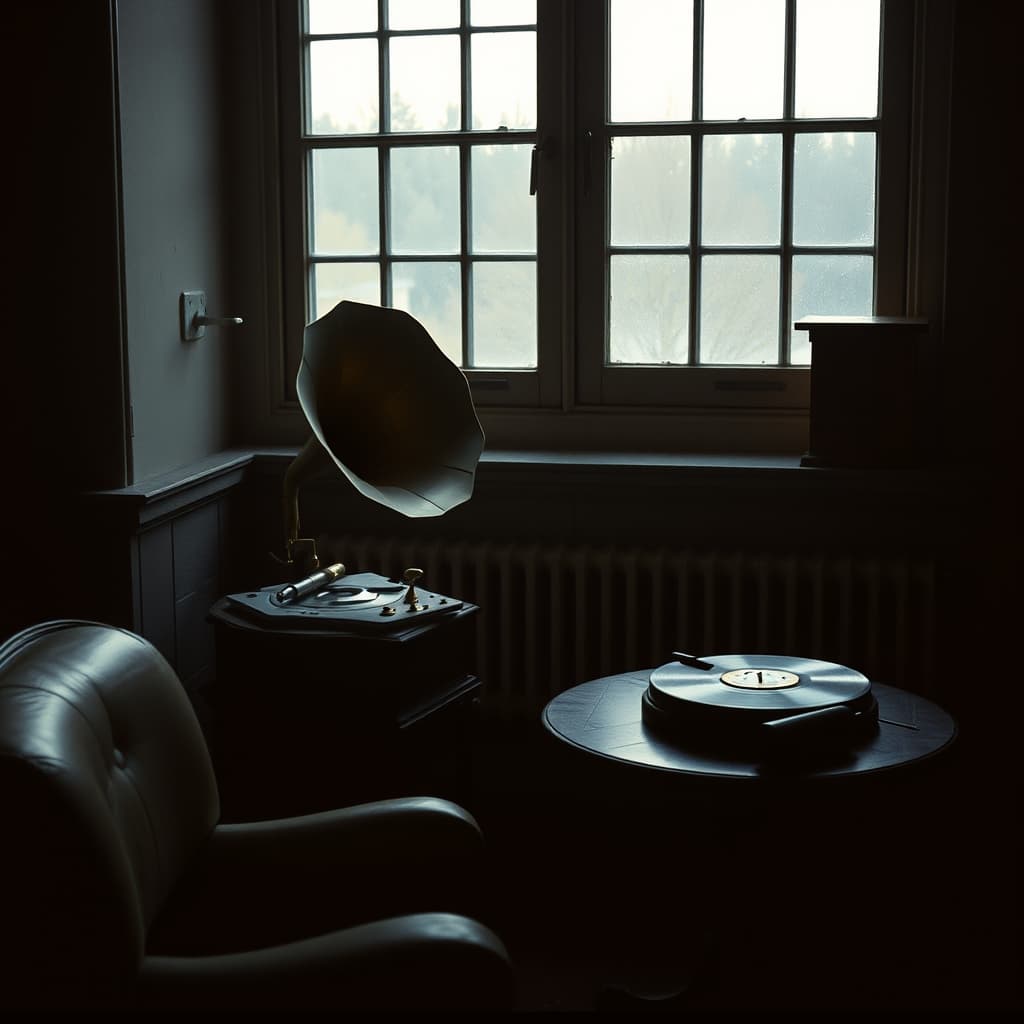
There was a time when, in the hours when evening slowly settled into its place, one of the most patient objects in the house was the gramophone. As the coolness waiting by the window slipped into the room and the curtains stirred lightly, the last steeping of tea was poured into glasses and the lid of the gramophone standing in a corner was opened with care. A record was passed gently from hand to hand, everyone’s movements slowed as the needle was set in place, and even the small silence before the music began became a ceremony of its own. The hours spent beside the gramophone did not mean only listening to music. They also taught people to inhabit time in a gentler, more measured, more attentive way. That may be why these devices were not quickly cast aside when they failed. The second life they found in the hands of repairmen was the result not only of technical work, but of emotional insistence.
From the perspective of technological heritage, the gramophone is one of the finest examples of the mechanical elegance of the analog age. Working not fully through electricity but through gears, springs, hand force, and delicate adjustment, it did not merely deliver sound; it turned sound into something like a memory assembled by hand. It demanded patience from its user: wiping the record, winding the handle carefully, setting the needle precisely, accepting the crackle at the beginning. By the standards of today’s speed, this effort may seem like a flaw, but in that period it was the relationship itself. People approached music by touching it, learned the logic of the device, and trusted the skill of the repairman whose door they knocked on when it broke. The second life of the gramophone begins exactly there, in the desire to make an object audible again rather than replacing it with something new.
The cultural importance of repair shops often became visible through such objects. In narrow streets, behind windows filled with clocks, radios, small bulbs, and disassembled parts, craftsmen preserved not only devices but an entire habit of listening. The customer who brought in a gramophone rarely meant only “make it play.” They wanted the old warmth of the sound, the familiar resistance of the winding arm, the known weight of the lid closing. The repairman, in turn, did more than find spare parts; he also read memory. Which spring had loosened, which gear tooth had worn down, which needle now scratched the sound, and beyond that, what the object meant within the household. Because for evenings waiting by the window, the gramophone’s playing meant not merely that a machine worked again, but that an old sense of time had been reassembled.
To understand why the gramophone attracts renewed interest today, one has to look at that gentle rhythm of evening. Many people turning now toward records and old sound devices are not moved only by a love of nostalgic appearances. There is also a search for a slower, more conscious, more touchable experience. In an era when music flows past as background, the gramophone turns listening back into a central act. Watching the record rotate, hearing the soft crackle, waiting for the piece to truly begin, all work as a small discipline against the fractured attention of the present. That is also why the repairmen who restore these devices are newly valued: they do not revive only a machine, but a culture of attention.
When we remember the hours spent beside the gramophone today, or try to build them again, what is missed is not perfect sound. What is really missed is that mechanical delicacy which called a person back to their own time as evening grew heavier by the window. The second life found in the hands of repairmen reminds us that our relationship with objects is not limited to a period of use. Some devices last as long as the patience of the people who listen through them. The gramophone is one of them. With its needle, spring, record, and crackle, it remains a doorway into the evenings of the past, because not only its sound but also its silence lodges in memory.
Hours Spent Beside the Gramophone: It Explains Why It Found a Second Life in the Hands of Repairmen, with the Gentle Steps of Time in Evenings Waiting by the Window