Eski Pano
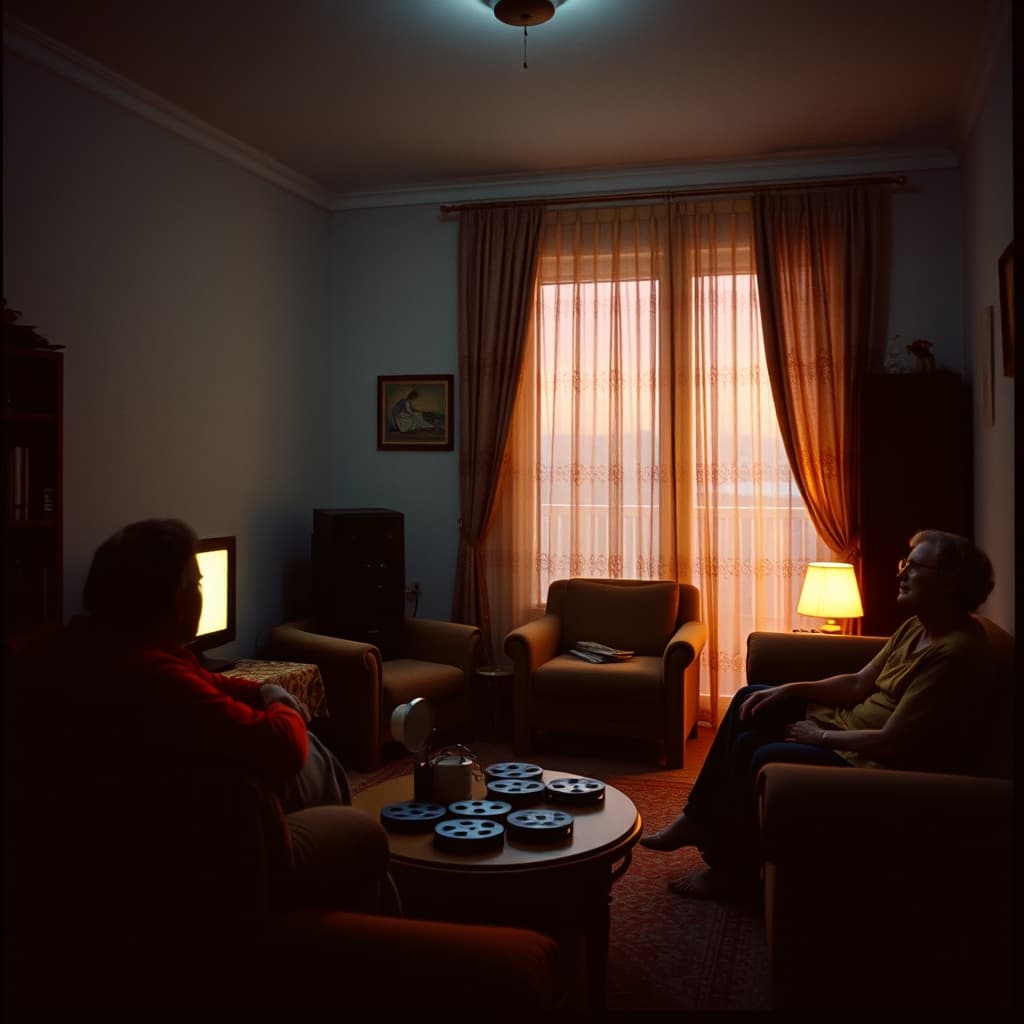
There was a time when evening in certain homes meant less watching television than waiting for something to begin. The curtains in the living room were drawn, the coffee table was pushed aside, children arranged cushions on the floor, and the elders quietly took their places as if a small ceremony were about to start. One of the most important sounds in that room was the familiar mechanical tone of the film winding lever turning. Short reels taken from the family archive promised to bring back scenes from weddings, circumcisions, summers by the sea, or school performances. That quiet excitement in the room became even more palpable with the breeze entering through the balcony door. The curtain moved slightly, the projector light struck the wall, and an ordinary evening at home suddenly turned into one of the brightest scenes in family memory.
Seen as technological heritage, the winding lever and home projection devices were not only tools of the analog age, but also parts of a culture of waiting, preparation, and collective viewing. Unlike today’s screens opened with a single touch, those years required a reel to be mounted, the film checked, the bulb considered, and the screen adjusted before an image could appear. These small efforts made the experience more precious. Old technology magazines and shop advertisements presented amateur film equipment as a symbol of modern family life, yet their deepest value lay in recording family time and then calling it back into the room together. Every image might be technically imperfect; the framing slipped, the light flared, someone moved too close to the camera. Yet it was precisely those imperfections that kept memory alive.
The quiet excitement of families gathering in the living room came partly from the few minutes that passed before the image appeared. Would the film tear, would a scene come out too dark, would childhood footage still cause the same laughter? Everyone waited for that answer. The most curious member of the house stood by the device, someone else turned off the lamp, another held up a white sheet, and another tried to keep the reel straight. Once the first image appeared, the whole room changed. A grandfather in his youth, a mother in her school years, a summer evening leaning against the balcony rail, or children running in a street not yet covered with asphalt carried everyone at once into another time. Conversation quieted, broken only by occasional cries of recognition. The excitement of the analog age lived exactly there: because images were not easily reached, they were watched with greater attention.
The phrase about a family memory that does not fade on windy balconies holds the emotional center of this subject. In old domestic life, the balcony was a threshold where inside and outside met. After the screening ended, the door would open, tea would be carried outside, and the scenes just viewed would begin to be retold. “Look how short your aunt’s hair was here,” or “that was the day the storm came up,” people would say, replaying the film in words a second time. While the wind moved the curtains, the machine inside still held its warmth and the reels rested silently on the table. In that way, a technical device turned into an object that prolonged storytelling within the family. Memory continued to live not only in the image on the wall, but also in the conversation that followed it.
Today digital archives are far easier to keep, yet the attention awakened by that old film winding lever belonged to another age. Preparing, arranging, and waiting together were as much a part of the memory as watching it. That is why the unforgotten excitement of the analog age rests not only on technology, but on ritual shared as a family. What does not fade on those windy balconies is also this: not merely the images set in motion by a machine, but the common heartbeat of those who gathered to see them. The little ceremonies that began in old living rooms still preserve their light in the warmest corner of family memory.
The Quiet Excitement of Families Gathering in the Living Room and the Film Winding Lever: It Tells the Unforgotten Excitement of the Analog Age Like a Family Memory That Does Not Fade on Windy Balconies