Eski Pano
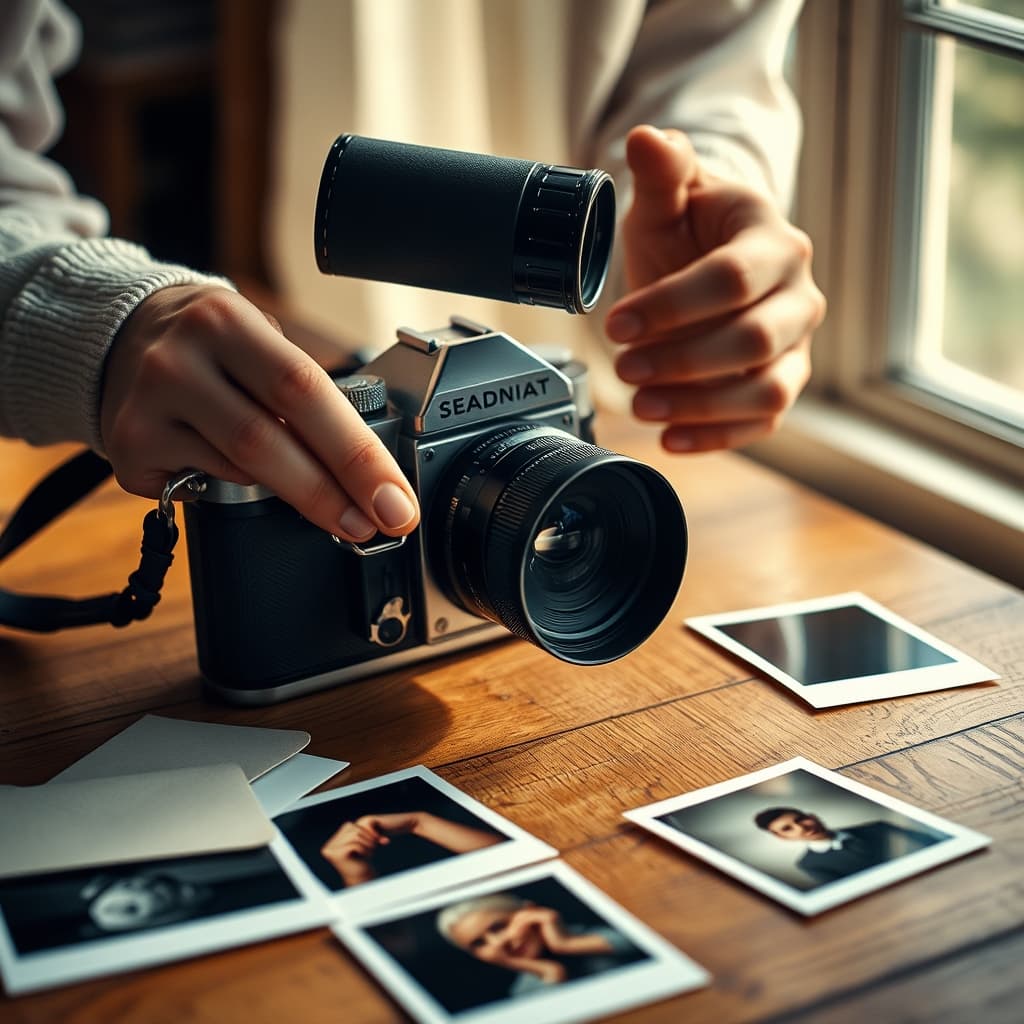
There was a time when the hours spent beside a film camera were not merely a technical exercise, but a kind of ceremony filled with excitement. Touching the metal body of the camera, quietly composing the frame through the viewfinder, watching the direction of light, and trying not to waste film turned photography into something slower than it is today, yet far more tangible. Every frame mattered because the number was limited, the result could not be seen at once, and one careless moment might cast a shadow over the whole roll. For that reason, time spent with a film camera was not only about producing images. It was also about learning how to wait. Beside that machine, a person understood the value of the moment in a different way.
From the perspective of technological heritage, film cameras belong to the tools through which the analog age entered daily life by teaching patience and attention. In old newspaper supplements and in the windows of neighborhood photography shops, these machines appeared as objects that allowed even ordinary users to feel technical skill in their hands. Loading the roll correctly, selecting the right ISO, measuring exposure, adjusting the focus ring, and advancing the lever after each shot turned photography from a finger movement into a chain of decisions. The comfort of instant digital confirmation did not exist, yet that very absence gave photography a distinct excitement. Each image had to be imagined, protected, and waited for before it could be seen.
Much of this unforgettable excitement came from living alongside uncertainty. Not knowing for days how the birthday photographs would turn out, leaving summer holiday rolls at the photo lab and waiting impatiently, and imagining over and over what kinds of images would eventually enter the family album formed the emotional rhythm of the analog age. A film camera forced people to look more carefully because not every corner, expression, or light could be captured twice. That is why photography was also a discipline of the eye. Choosing which moment deserved to be preserved matured through the hesitation felt before pressing the shutter. The image was earned before it was developed.
Seen from within ordinary life, the excitement of the film camera did not belong only to special occasions. Children photographed on bicycles in the street, tradesmen standing in front of their shops, tea glasses lined up on a picnic cloth, and school-trip portraits all emerged from the same slowness. Buying film from the photographer, placing the exposed roll into an envelope, leaving it for development, and returning later to collect the prints formed a complete chain of anticipation. Within that chain, disappointment and joy were both more intense. Sometimes a frame came back half-dark and produced regret. At other times an unexpected image became the favorite page of the album. Part of the analog thrill lived precisely there, in the way imperfection itself became part of memory.
The reason those hours spent beside a film camera are still remembered today cannot be explained only by curiosity for old technology. They speak of a period when the relationship between people and images was slower, more laborious, and more physical. The preparation before the shot, the quiet concentration during it, and the waiting required afterward turned photography into something not consumed, but earned. That may be why the excitement of the analog age still feels so alive. It touched not only the photograph, but time itself. The hours spent with a film camera remain, for many people, a name for remembering without haste, truly looking before recording, and loving the image as something shaped by effort.
Hours Spent by the Film Camera: They Tell the Unforgotten Excitement of the Analog Age