 Eski Pano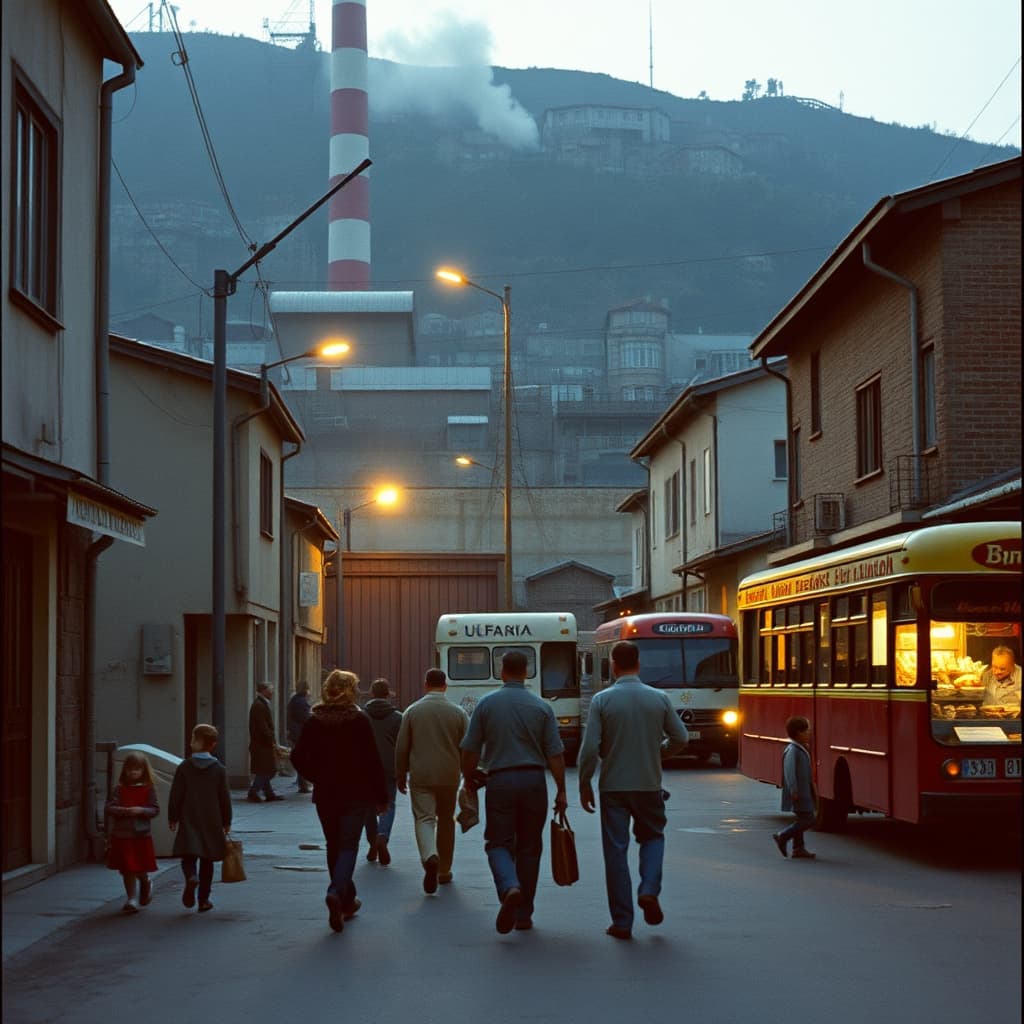
A factory whistle could reach far beyond the gates. Its morning signal entered kitchens, school routes, tram stops, workshops, and shops, telling an entire district that a shift was beginning or ending. Residents did not need to see the factory clock to recognise the sound. Repetition turned an industrial signal into public time, although its original purpose was to organise labour rather than create neighbourhood nostalgia.
Whistle systems varied by plant, period, technology, and local regulation. Steam whistles, compressed-air horns, electric sirens, and bells could mark different events. A signal might announce shift change, meal break, emergency, test, or civil warning. Accurate interpretation requires factory rules, worker testimony, municipal records, newspapers, and sound descriptions rather than assuming every blast meant the same thing.
The Sound Released a Human Tide
Before a shift, workers converged by foot, bicycle, bus, tram, or company transport. Gatekeepers checked entry while nearby sellers aligned breakfast and newspaper trade with the crowd. When the shift ended, streets changed direction. A few minutes of movement affected crossings, cafés, barbers, bakeries, and household schedules. The neighbourhood economy learned the factory's clock.
Families planned around it too. Children knew whether they were late for school, cooks estimated when someone might return, and tenants recognised night-shift departures. Yet the whistle did not guarantee predictable home life. Overtime, breakdowns, accidents, transport delay, and rotating shifts disrupted the apparent order. Industrial time could organise a district while exhausting the people required to obey it.
Discipline Was Built into the Signal
A whistle standardised punctuality across a large workforce. Being inside the gate before it sounded could determine pay, discipline, or employment security. Workers experienced the same signal differently depending on contract, position, union protection, health, caregiving, and distance travelled. Calling the whistle a comforting civic sound should not erase surveillance, penalties, speed, or unequal control over time.
Labour history also includes collective action. The factory gate and shift boundary could become places for union communication, petitions, strikes, and mutual support. Timetables shaped not only production but organising. Personnel rules, wage records, union archives, and oral histories reveal meanings that a photograph of a smokestack cannot.
Noise Had a Public Cost
Repeated high-volume signals affected sleep, concentration, infants, older residents, shift workers resting by day, and people sensitive to noise. Industrial hearing risk inside the plant was more serious still and required control, measurement, protective equipment, and occupational-health standards. Familiarity does not make a loud sound harmless. Emergency signals must remain audible, but routine noise needs responsible design and regulation.
When factories closed, relocated, automated, or changed alarm systems, the district lost both a sound and often a major employer. Silence could mean cleaner air and relief from noise, but also unemployment and broken commercial routines. Redevelopment sometimes preserved a chimney while removing workers' housing and memory. Industrial heritage should include social consequences, not only architecture.
A Digital Nostalgia Archive can connect shift cards, factory rules, transport maps, whistles, siren codes, wage records, union documents, street photographs, and testimony from workers and residents. Recordings need verified date and location. The factory whistle set the neighbourhood clock because production reached into public life. Its echo carries both belonging and discipline, and the archive should preserve the tension between them.