🇹🇷 Türkçe | esnaf selamıyla açılan sabahlar günleri: komşuluğu neden bu kadar sağlam kıldı
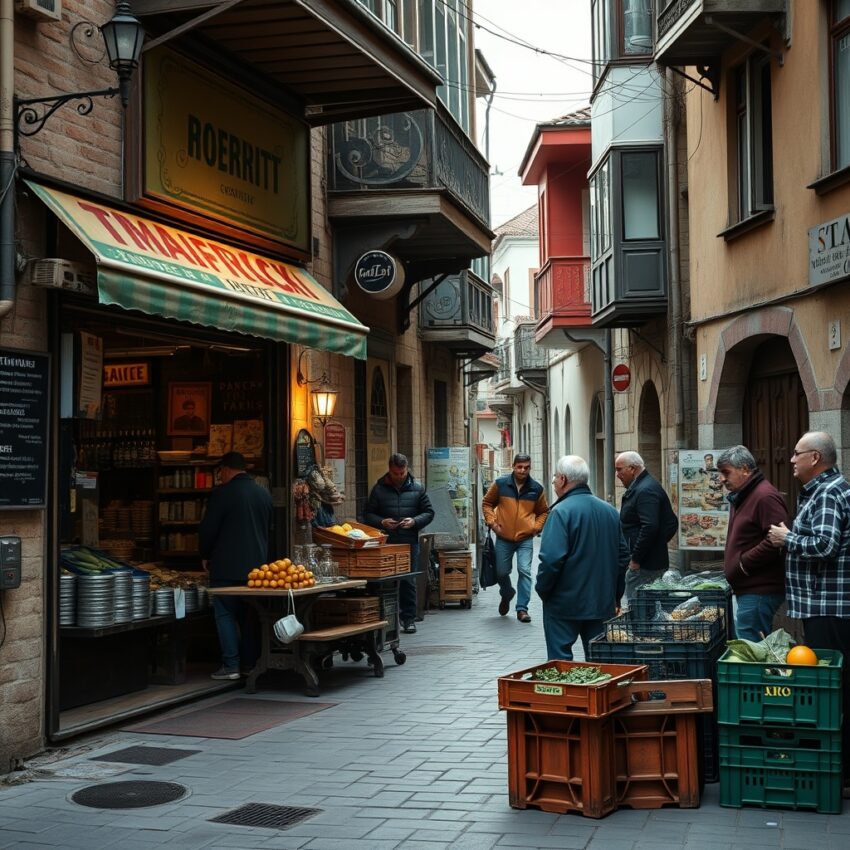
Bir zamanlar mahallenin sabahı, dükkân kepenklerinin sesiyle ve hemen ardından gelen selamlarla başlardı. Bakkalın kepengi yarıya kadar kalkar kalkmaz içeriden “hayırlı sabahlar” duyulur, manav kasalarını dizerken kaldırımdan geçen komşuya başıyla hal hatır sorardı. Fırının önünden yeni çıkmış ekmek kokusu yayılırken kasap vitrini bezle silinir, terzinin kapısı aralanır, çaycı ilk bardakları dizmeye başlardı. Bu sabahların asıl sıcaklığı, alışverişten önce gelen tanışıklıktı. İnsanlar daha bir şey satın almadan birbirinin gününü, evdeki hastayı, çocuğun sınavını ya da memleketten gelen haberi bilir hale gelirdi. Esnaf selamıyla açılan günler, bu yüzden yalnız ticaretin değil, komşuluğun da ayakta tutulduğu saatlerdi.
Mahalle Kültürü içinde esnaf, yalnız hizmet veren kişi değil; sokağın hafızasını tutan, ritmini düzenleyen, insanları birbirine bağlayan bir ara yüzdü. Kim hangi saatte ekmek alır, kimin veresiye defteri kabarmıştır, hangi evde misafir vardır, hangi çocuk ilk kez tek başına alışverişe gönderilmiştir; esnaf bunların çoğunu bilirdi. Bu bilgi meraklı bir gözetleme değil, karşılıklı güvenin doğal sonucuydu. Selamın sağlamlığı da buradan gelirdi. Bir bakkalın “annen nasıl oldu” diye sorması, terzinin “ceketi yarın yetiştiririm merak etme” demesi, manavın en iyi domatesi müdavimine ayırması; bütün bunlar komşuluğun sözsüz anlaşmalarıydı. Mahalle halkı da buna karşılık esnafı yalnız dükkân sahibi olarak değil, hayatın içine karışmış bir yakınlık figürü olarak görürdü.
Esnaf selamıyla açılan sabahlar komşuluğu sağlam kıldı, çünkü her gün tekrar eden küçük güven anları yarattı. Modern hayatın büyük vaatlerinden çok, gündelik düzenin sürekliliği insanı yerleşik hissettirir. Her sabah aynı yüzü görmek, ismen hitap edilmek, evden çıkarken birinin sizi fark ettiğini bilmek; bunlar görünmez ama derin bağlar kurar. Mahallede yalnız yaşayan yaşlı biri için bu selam sağlık işareti sayılabilir, okula giden çocuk için güven veren bir çevre duygusu yaratabilir, ev ekonomisini çeviren aile için veresiye defterinin ardındaki anlayış anlamına gelebilirdi. Esnafın sabah selamı bu yüzden nezaketin ötesine geçer, toplumsal dayanıklılığın gündelik biçimine dönüşürdü.
Bu kültürün mekânsal tarafı da önemlidir. Küçük dükkânlar sokağa kapalı değil, sokağın içine açık yaşardı. Kasalar kaldırıma taşar, tabure kapının önünde durur, dükkânın içindeki radyo sesi dışarıya karışırdı. Alışveriş çoğu zaman aceleyle girip çıkmak değil, iki cümlelik sohbetin de dahil olduğu bir uğramaydı. Sabahları işine yetişen biri bile bakkalın önünden geçerken başıyla selam verir, karşılığını alır, böylece mahalle haritasında görünmez bir çizgi daha çekilmiş olurdu. Bugün zincir mağazalarda ve teslimat uygulamalarında eksik kalan şey tam da budur: insanın ekonomik ilişki kurarken aynı anda sosyal bir tanınma duygusu da yaşaması. O eski sabahlar, alışverişin aynı zamanda mahalleye ait olmanın bir yolu olduğunu gösteriyordu.
Şimdi birçok yerde kepenk seslerinin yerini otomatik kapılar, isimle hitabın yerini ekran bildirimleri aldı. Yine de esnaf selamıyla açılan sabahlar unutulmuyor, çünkü mahalleyi mahalle yapan şeyin sadece binalar değil, tekrar eden karşılaşmalar olduğu o zamanlarda daha açık görülüyordu. Güçlü komşuluk, büyük sözlerle değil; her gün usanmadan verilen küçük selamlarla kurulur. Bir dükkân önünde edilen iki cümle, bazen apartman toplantısından daha çok bağ kurar. O yüzden geçmişi düşündüğümüzde aklımıza yalnız eski dükkân tabelaları değil, o tabelaların altındaki insan sesi gelir. Komşuluğu sağlam kılan şey, işte o sesin her sabah güven vermesiydi.
🇬🇧 English | The Days When Mornings Opened with the Shopkeeper’s Greeting: Why Did They Make Neighborliness So Strong?
There was a time when the neighborhood morning began with the sound of shop shutters and the greetings that immediately followed. As soon as the grocer lifted his shutter halfway, a cheerful “good morning” came from inside; while the greengrocer arranged his crates, he would ask after the passerby with a nod. The smell of fresh bread spread from the bakery, the butcher wiped his display window, the tailor opened his door, and the tea seller lined up the first glasses of the day. What made these mornings truly warm was the familiarity that came before the purchase itself. Before buying anything, people often already knew one another’s concerns: who was ill at home, whose child had an exam, what news had come from the hometown. That is why the days opened by a shopkeeper’s greeting were not only the hours in which trade began, but also the hours in which neighborliness was sustained.
Within neighborhood culture, the shopkeeper was never merely a provider of goods. He was an interface that held the memory of the street, regulated its rhythm, and linked people to one another. He knew who bought bread at what hour, whose ledger of unpaid tabs had grown thick, which family had guests, and which child had been sent alone to shop for the first time. This knowledge was not intrusive surveillance, but the natural outcome of reciprocal trust. The strength of the greeting came from that trust. When a grocer asked, “How is your mother now?”, when the tailor said, “Don’t worry, I’ll finish the jacket tomorrow,” or when the greengrocer set aside the best tomatoes for a regular customer, these were unspoken agreements of neighborly life. In return, the residents did not see the shopkeeper merely as the owner of a business, but as a figure of closeness woven into daily life.
The mornings opened by the shopkeeper’s greeting made neighborliness strong because they created small moments of trust repeated every day. More than the grand promises of modern life, it is the continuity of daily order that makes a person feel rooted. To see the same face each morning, to be addressed by name, to know that someone notices your passage as you leave home; these are invisible yet deep bonds. For an elderly person living alone, such a greeting might serve as a sign of well-being. For a child on the way to school, it might create a sense of safety in the environment. For a family managing its household economy, it might mean the understanding that stood behind the notebook of credit. For that reason, the morning greeting of the shopkeeper went beyond courtesy and became an everyday form of social resilience.
The spatial side of this culture also mattered. Small shops did not live shut off from the street; they lived open into it. Crates spilled onto the pavement, a stool stood at the doorway, and the sound of the radio inside mixed with the noise outside. Shopping was not always a quick transaction, but often a brief stop in which two sentences of conversation naturally belonged. Even someone hurrying to work would nod while passing the grocer, receive a nod in return, and another invisible line of belonging would be drawn across the neighborhood map. That is exactly what is missing today in chain stores and delivery apps: the feeling that while entering an economic exchange, one is also socially recognized. Those old mornings showed that shopping could also be a way of belonging to a place.
Now, in many places, the sound of shutters has been replaced by automatic doors, and being addressed by name has been replaced by screen notifications. Yet the mornings opened with a shopkeeper’s greeting are not forgotten, because those times made it clearer that what turns a district into a neighborhood is not only buildings, but repeated encounters. Strong neighborliness is not built with grand declarations, but with small greetings offered patiently every day. Two sentences exchanged in front of a shop can sometimes create more connection than a formal apartment meeting. That is why, when we think of the past, we remember not only old shop signs, but the human voice beneath them. What made neighborliness strong was the reassurance carried by that voice every morning.
🇧🇷 Português (Brasil) | Os Dias em que as Manhãs se Abriam com o Cumprimento do Comerciante: Por Que Tornaram a Vizinhança Tão Forte?
Houve um tempo em que a manhã do bairro começava com o som das portas de ferro das lojas e com os cumprimentos que vinham logo em seguida. Assim que o armazém levantava a metade da sua porta, já se ouvia um “bom dia” lá de dentro; enquanto o verdureiro arrumava as caixas, perguntava com um gesto como iam as coisas de quem passava pela calçada. O cheiro de pão recém-saído do forno se espalhava, o açougueiro limpava a vitrine, o alfaiate entreabria a porta e o vendedor de chá alinhava os primeiros copos. O verdadeiro calor dessas manhãs vinha da familiaridade anterior à compra. Antes mesmo de levar algo para casa, as pessoas já sabiam umas das outras: quem estava doente, qual criança teria prova, que notícia chegara da cidade natal. Por isso, os dias que se abriam com o cumprimento do comerciante eram também as horas em que a vizinhança se mantinha firme.
Dentro da cultura do bairro, o comerciante nunca foi apenas alguém que prestava um serviço. Ele era uma espécie de ponte que guardava a memória da rua, regulava o seu ritmo e ligava as pessoas entre si. Sabia quem comprava pão em que horário, de quem a caderneta de fiado estava mais cheia, qual casa receberia visitas e qual criança fora enviada sozinha para fazer compras pela primeira vez. Esse saber não nascia de curiosidade invasiva, mas de confiança recíproca. A força do cumprimento vinha justamente daí. Quando o dono do armazém perguntava “e sua mãe, já melhorou?”, quando o alfaiate dizia “amanhã sua roupa fica pronta, fique tranquilo”, ou quando o verdureiro separava os melhores tomates para um freguês habitual, tudo isso fazia parte dos acordos silenciosos da vizinhança. Em troca, os moradores não viam o comerciante apenas como dono da loja, mas como uma presença próxima misturada à vida cotidiana.
As manhãs abertas com o cumprimento do comerciante fortaleceram a vizinhança porque criavam pequenos momentos de confiança repetidos todos os dias. Mais do que as grandes promessas da vida moderna, é a continuidade da rotina que faz alguém se sentir pertencente. Ver o mesmo rosto a cada manhã, ser chamado pelo nome, saber que alguém percebe sua passagem ao sair de casa; tudo isso forma vínculos invisíveis, porém profundos. Para uma pessoa idosa morando sozinha, esse cumprimento podia funcionar como sinal de cuidado. Para uma criança indo à escola, criava uma sensação de segurança ao redor. Para uma família equilibrando o orçamento, significava a compreensão por trás da caderneta de fiado. Por isso, o bom dia do comerciante ultrapassava a mera gentileza e se transformava em uma forma cotidiana de resistência social.
O lado espacial dessa cultura também importa. As pequenas lojas não viviam fechadas para a rua; viviam abertas para dentro dela. As caixas avançavam sobre a calçada, um banquinho ficava junto da porta e o som do rádio de dentro se misturava aos ruídos de fora. Fazer compras não era sempre entrar e sair depressa, mas muitas vezes uma parada breve em que duas frases de conversa também faziam parte. Mesmo quem corria para o trabalho passava diante do armazém, acenava com a cabeça, recebia a resposta, e mais uma linha invisível de pertencimento era traçada no mapa do bairro. É exatamente isso que falta hoje nas grandes redes e nos aplicativos de entrega: a sensação de que, ao entrar numa relação econômica, a pessoa também está sendo reconhecida socialmente. Aquelas manhãs antigas mostravam que comprar também era uma maneira de pertencer.
Hoje, em muitos lugares, o som das portas de ferro foi trocado por portas automáticas, e o chamado pelo nome foi substituído por notificações de tela. Ainda assim, as manhãs que se abriam com o cumprimento do comerciante não são esquecidas, porque naquela época ficava mais claro que o que transforma uma região em bairro não são apenas os prédios, mas os encontros repetidos. Uma vizinhança forte não se constrói com grandes discursos, mas com pequenos cumprimentos dados todos os dias sem falhar. Duas frases trocadas diante de uma loja às vezes criam mais vínculo do que uma reunião formal de condomínio. Por isso, quando pensamos no passado, não lembramos apenas das antigas placas das lojas, mas da voz humana que havia debaixo delas. O que tornava a vizinhança forte era a confiança que essa voz oferecia a cada manhã.