🇹🇷 Türkçe | eski anahtarlık ve sandıkların dibinden çıkan ince hikâyesi: nostalji meraklılarının gözünde neden hemen parlıyor
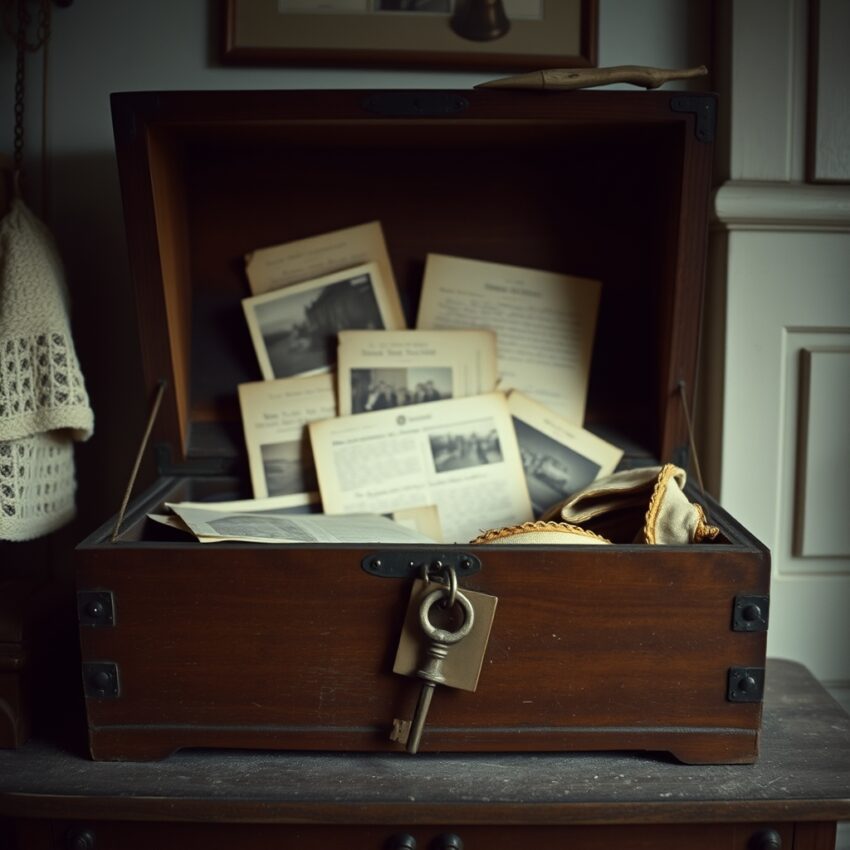
Bir sandığın kapağı açıldığında çıkan ses bile bazen geçmişi çağırmaya yeter. Naftalin kokusuna karışmış kumaşlar, sararmış fotoğraflar, kenarı yıpranmış mendiller ve bir köşede unutulmuş küçük bir anahtarlık, insanı bir anda başka bir zamana geçirir. Eski anahtarlıkların cazibesi biraz da buradan gelir; kendileri küçüktür ama taşıdıkları çağrışım geniştir. Bir evin giriş kapısını, bir çalışma masasının çekmecesini, eski bir büfenin kilidini ya da çoktan kapanmış bir dükkânın demir kepengini hatırlatabilirler. Sandıkların dibinden çıkan bu ince hikâye, nesnenin maddesinden çok ona değen eller, ona eşlik eden mekanlar ve sessizce içine sinmiş yıllar sayesinde parlar.
Obje Hikayeleri açısından eski anahtarlıklar son derece mütevazı ama güçlü koleksiyon parçalarıdır. Altın kaplama olmaları, değerli taş taşımaları ya da nadir olmaları gerekmez; asıl güçleri kullanım izlerinde saklıdır. Pirinç halkadaki aşınma, üzerine iliştirilmiş küçük emaye figür, otel adı silinmiş metal plaka ya da bir reklam hediyesi olarak dağıtılmış plastik parça, ait olduğu dönemin estetik anlayışını usulca taşır. Üstelik anahtarlık, tek başına sergilenen bir süs eşyası gibi değil; gündelik hayatın içinde dolaşmış, ceplerde taşınmış, masalara bırakılmış ve avuç içinde ısınmış bir nesnedir. Bu yüzden nostalji meraklılarının gözünde hemen parlaması şaşırtıcı değildir; o, doğrudan yaşanmışlığa açılan küçük bir kapı gibidir.
Sandıkların dibinden çıkması da hikâyeyi güçlendirir. Çünkü sandık, ev içi hafızanın saklama biçimlerinden biridir. İçine rastgele konmuş gibi görünen şeyler aslında bir ailenin sessiz arşivini oluşturur: düğün davetiyeleri, eski mektuplar, şehirlerarası biletler, bozuk bir kol saati ve aralarında bir anahtarlık. Böyle bir nesne yıllarca kullanılmadan bekledikten sonra yeniden ele alındığında, insan yalnız ne işe yaradığını değil, neden saklandığını da düşünür. Belki ilk iş gününün anahtarı ona takılıydı, belki yazlığa giden kapının yedeğini taşıyordu, belki de çocukken sesini sevdiği için atılamadı. Nostaljik parıltı biraz da bu bilinmezlikten doğar. Kesin cevabın yokluğu, nesnenin etrafına şiirsel bir alan açar.
Bu küçük eşyaların hemen parlamasının bir nedeni de modern hayatın fazlasıyla kusursuz nesnelerine karşı taşıdığımız yorgunluktur. Yeni üretilen birçok obje pürüzsüz, birbirine benzeyen ve kişisel iz taşımayan bir görüntü sunuyor. Oysa eski anahtarlıkta çizik vardır, matlaşma vardır, bazen minik bir çatlak ya da eksik parça vardır. Tam da bu kusurlar onu canlı kılar. Nostalji meraklısı, o eşyada yalnız eski bir tasarımı değil, kullanılmış bir ömrün izini görür. Sandığın dibinden çıkan bir anahtarlık, büyük tarih anlatıları kurmadan da geçmişi hatırlatabilir; çünkü gündelik hayatın sessiz ayrıntıları çoğu zaman en güçlü hafızayı taşır.
Bugün koleksiyoncuların, antikacılarda dolaşanların ya da aile evindeki eski çekmeceleri kurcalayanların gözünde bu ince hikâyenin hemen parlaması bu yüzden anlaşılırdır. Eski anahtarlık, büyük bir obje değildir ama insana ait zamanın küçük yoğunluğunu taşıyabilir. Sandığın dibinden çıkışı tesadüf gibi görünür; fakat aslında onu bulan kişi için geçmişin yeniden konuşmaya başlamasıdır. Bir halkaya tutunmuş birkaç anahtar çoktan kaybolmuş olabilir, ama o halkada kalan ağırlık duygusu hâlâ yerindedir. Nostaljinin özü de biraz budur: değeri maddede değil, hatırlatılan hayat kırıntısında bulmak. Eski anahtarlıklar ve sandık diplerinden çıkan sessiz parçalar, tam da bu yüzden bakar bakmaz parlayan nesneler arasında yaşamayı sürdürüyor.
🇬🇧 English | The Delicate Story of Old Keychains and What Emerges from the Bottom of Chests: Why Does It Immediately Shine in the Eyes of Nostalgia Enthusiasts
Sometimes even the sound made by opening a chest is enough to summon the past. Fabrics mixed with the smell of mothballs, yellowed photographs, handkerchiefs worn at the edge, and a small forgotten keychain in one corner can carry a person instantly into another time. Part of the charm of old keychains begins there. They are small in themselves, yet broad in what they evoke. They may recall the front door of a house, the drawer of a work desk, the lock of an old cabinet, or the iron shutter of a shop that has long since closed. This delicate story emerging from the bottom of chests shines not because of the object’s material alone, but because of the hands that touched it, the places that accompanied it, and the quiet years absorbed into it.
Seen through the lens of object stories, old keychains are humble but powerful collectible pieces. They do not need to be gold-plated, decorated with precious stones, or especially rare. Their true strength lies in the marks of use. The wear on a brass ring, a small enamel figure attached to it, a metal plaque whose hotel name has faded, or a plastic piece once distributed as a promotional gift all gently carry the aesthetic sense of their period. More than that, the keychain is not like a decorative object displayed untouched. It is something that moved through everyday life, was carried in pockets, left on tables, and warmed in the palm of a hand. That is why it shines immediately in the eyes of nostalgia enthusiasts. It is like a small door opening directly into lived experience.
The fact that it emerges from the bottom of a chest makes the story stronger. A chest is one of the ways household memory stores itself. The things inside may look as if they were placed there randomly, yet they often form the quiet archive of a family: wedding invitations, old letters, intercity tickets, a broken wristwatch, and among them a keychain. When such an object is touched again after waiting unused for years, one wonders not only what it was for, but why it was kept. Perhaps it once held the key to a first job, perhaps it carried the spare key to a summer house, or perhaps it survived simply because someone loved the sound it made in childhood. Part of its nostalgic glow comes from exactly this uncertainty. The lack of a definite answer opens a poetic space around the object.
Another reason these small things shine so quickly is the fatigue we feel before the overly flawless objects of modern life. Many newly produced things present a surface that is smooth, repetitive, and stripped of personal trace. An old keychain, by contrast, has scratches, dullness, sometimes a tiny crack or a missing part. These very imperfections make it feel alive. What the nostalgia enthusiast sees there is not only an old design, but the trace of a life that was actually used. A keychain rising from the bottom of a chest can recall the past without building grand historical narratives, because the quiet details of daily life often carry the strongest memory of all.
That is why this delicate story immediately shines in the eyes of collectors, antique lovers, or those searching through old drawers in a family home. The old keychain is not a grand object, yet it can hold the small density of human time. Its emergence from the bottom of a chest may seem accidental, but for the one who finds it, it is the moment when the past starts speaking again. The keys once hanging from that ring may already be gone, yet the feeling of their weight somehow remains. This is close to the essence of nostalgia itself: finding value not in the material, but in the fragment of life that an object calls back. Old keychains and the silent pieces that rise from the bottoms of chests continue to live among the things that seem to glow at first sight for exactly that reason.
🇧🇷 Português (Brasil) | A História Delicada dos Chaveiros Antigos e do que Surge do Fundo dos Baús: Por que Isso Brilha Imediatamente aos Olhos dos Apaixonados por Nostalgia
Às vezes, até o som feito ao abrir um baú já basta para chamar o passado. Tecidos misturados ao cheiro de naftalina, fotografias amareladas, lenços com as bordas gastas e um pequeno chaveiro esquecido num canto podem levar a pessoa imediatamente para outro tempo. Parte do encanto dos chaveiros antigos começa aí. Eles são pequenos em si mesmos, mas amplos naquilo que evocam. Podem lembrar a porta de entrada de uma casa, a gaveta de uma mesa de trabalho, a fechadura de um armário antigo ou a porta de ferro de uma loja que já fechou há muito tempo. Essa história delicada que surge do fundo dos baús brilha não apenas pela matéria do objeto, mas pelas mãos que o tocaram, pelos lugares que o acompanharam e pelos anos silenciosos que ficaram impregnados nele.
Pelo olhar das histórias dos objetos, os chaveiros antigos são peças de coleção humildes e, ao mesmo tempo, muito fortes. Não precisam ser banhados a ouro, ter pedras preciosas ou ser especialmente raros. Sua verdadeira força está nas marcas de uso. O desgaste no aro de latão, a pequena figura esmaltada presa a ele, a plaquinha metálica com o nome de um hotel já apagado, ou uma peça plástica distribuída como brinde publicitário carregam suavemente o senso estético de sua época. Além disso, o chaveiro não é como um objeto decorativo mantido intacto. É algo que circulou na vida cotidiana, foi levado no bolso, deixado sobre mesas e aquecido pela palma da mão. Por isso ele brilha imediatamente aos olhos dos amantes da nostalgia. É como uma pequena porta aberta diretamente para a experiência vivida.
O fato de ele surgir do fundo de um baú fortalece ainda mais a história. O baú é uma das formas pelas quais a memória da casa se organiza. As coisas guardadas ali podem parecer colocadas ao acaso, mas muitas vezes formam o arquivo silencioso de uma família: convites de casamento, cartas antigas, passagens de viagem, um relógio quebrado e, entre tudo isso, um chaveiro. Quando um objeto assim volta a ser tocado depois de anos parado, a pessoa pensa não só para que servia, mas também por que foi guardado. Talvez tenha segurado a chave do primeiro emprego, talvez levasse a cópia da chave da casa de verão, ou talvez tenha permanecido ali apenas porque alguém gostava do seu som na infância. Parte do seu brilho nostálgico nasce justamente dessa incerteza. A ausência de uma resposta definitiva abre um espaço poético ao redor do objeto.
Outra razão para essas pequenas peças brilharem tão depressa está no cansaço que sentimos diante dos objetos excessivamente perfeitos da vida moderna. Muitas coisas produzidas hoje têm uma aparência lisa, repetida e sem marcas pessoais. O chaveiro antigo, ao contrário, traz riscos, partes opacas, às vezes uma rachadura pequena ou um pedacinho faltando. São exatamente essas imperfeições que o mantêm vivo. O apaixonado por nostalgia vê ali não apenas um desenho antigo, mas o rastro de uma vida realmente usada. Um chaveiro que sobe do fundo de um baú pode fazer o passado voltar sem precisar construir grandes narrativas históricas, porque os detalhes silenciosos do cotidiano costumam guardar a memória mais forte.
É por isso que essa história delicada brilha logo no olhar de colecionadores, frequentadores de antiquários ou pessoas que mexem nas gavetas antigas da casa da família. O chaveiro antigo não é um grande objeto, mas pode guardar a pequena densidade do tempo humano. Seu aparecimento no fundo do baú parece um acaso; na verdade, para quem o encontra, é o instante em que o passado volta a falar. As chaves que um dia ficaram presas naquele aro talvez já tenham desaparecido, mas a sensação do peso delas continua ali de algum modo. A própria essência da nostalgia é um pouco isso: encontrar valor não na matéria, mas no fragmento de vida que o objeto faz retornar. Os chaveiros antigos e as peças silenciosas que surgem do fundo dos baús continuam a viver entre as coisas que parecem brilhar no primeiro olhar exatamente por causa disso.