 Eski Pano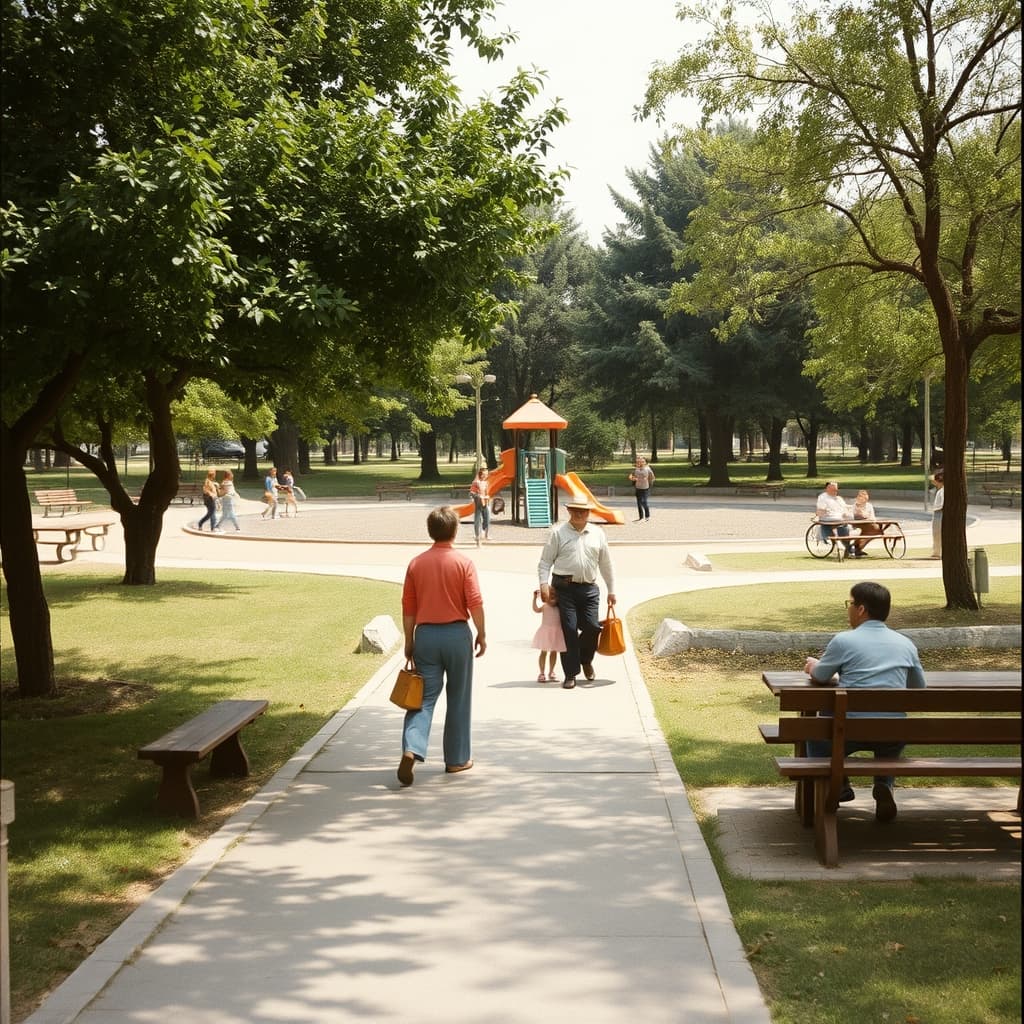
A Sunday family outing could make a city park feel like a natural extension of home, but that ease was produced by civic systems. Paths had to connect entrances, trees needed care, benches had to remain usable, water and toilets had to function, transport had to arrive, and rubbish had to be removed after the crowds left. The memory of leisure rests on maintenance that was rarely photographed.
City parks differed by town, decade, climate, landscape design, municipal budget, transport, class geography, and regulation. A formal garden, wooded grove, seaside park, fairground, neighbourhood green, and botanical garden supported different outings. Plans, budgets, planting lists, transport timetables, photographs, concession records, maintenance logs, and visitor testimony help identify the real park.
Arrival Determined Who Could Join
Families reached parks by tram, bus, ferry, train, bicycle, car, or on foot. Fare, transfer, weekend frequency, pram access, luggage, and the final walk shaped participation. A popular park could still exclude households living beyond affordable transport or people unable to manage steps and steep paths. Parking alone is not evidence of public access.
Entrances, gates, opening hours, signs, lighting, and staff affected whether visitors felt welcome. Women, children, migrants, minorities, disabled people, and lower-income families did not always experience supervision or policing equally. A public park should offer clear rules and assistance without treating some visitors as suspicious simply because they use space differently.
Comfort Required More than a Bench
Shade, seating with backs and arms, firm paths, drinking water, toilets, baby-changing facilities, handwashing, quiet areas, and shelter from rain turn a green space into a usable destination. Benches positioned only along stairs or soft ground may remain inaccessible. Toilets that are locked, distant, unsafe, or poorly maintained shorten visits for many people.
Playgrounds require age-appropriate equipment, impact-absorbing surfaces, inspection, secure fixings, visibility, and separation from vehicles and water hazards. Historic metal structures can become dangerously hot, corroded, or non-compliant. Recreating childhood does not justify keeping unsafe heights, entrapment gaps, sharp edges, or hard landing areas.
The Picnic Connected Leisure to Labour
Food carried from home required planning, containers, clean hands, serving tools, safe temperatures, and waste collection. Perishable dishes should not remain in sun for hours. Vendors selling tea, ice cream, nuts, fruit, or bread needed lawful supply, hygiene, clean water, allergen information, and safe carts. Nostalgia for a familiar call should include the seller's long day and exposure to heat.
Gardeners, cleaners, toilet attendants, security staff, transport workers, repair teams, vendors, and seasonal labourers enabled the outing. Early watering, pruning, litter collection, pest management, and emergency response happened before or after family photographs. Their work deserves documentation, including pay, safety, and the environmental effects of maintenance choices.
Heat, storms, falling branches, poor air quality, crowding, open water, lost children, harassment, and medical emergencies require plans. Trees provide valuable shade but need professional inspection. Modern parks need clear meeting points, staffed help, first aid, emergency access, and communication that works visually and audibly.
A Digital Nostalgia Archive can connect a park snapshot with transport routes, path plans, planting records, bench and toilet locations, playground inspections, vendor permits, maintenance rosters, accessibility barriers, weather, and visitor accounts. Family Sundays marked city memory because public investment made private leisure possible. Preserving them means keeping warmth beside infrastructure, unequal access, worker labour, food safety, climate, and the daily care that allowed many households to share one green space.