Eski Pano
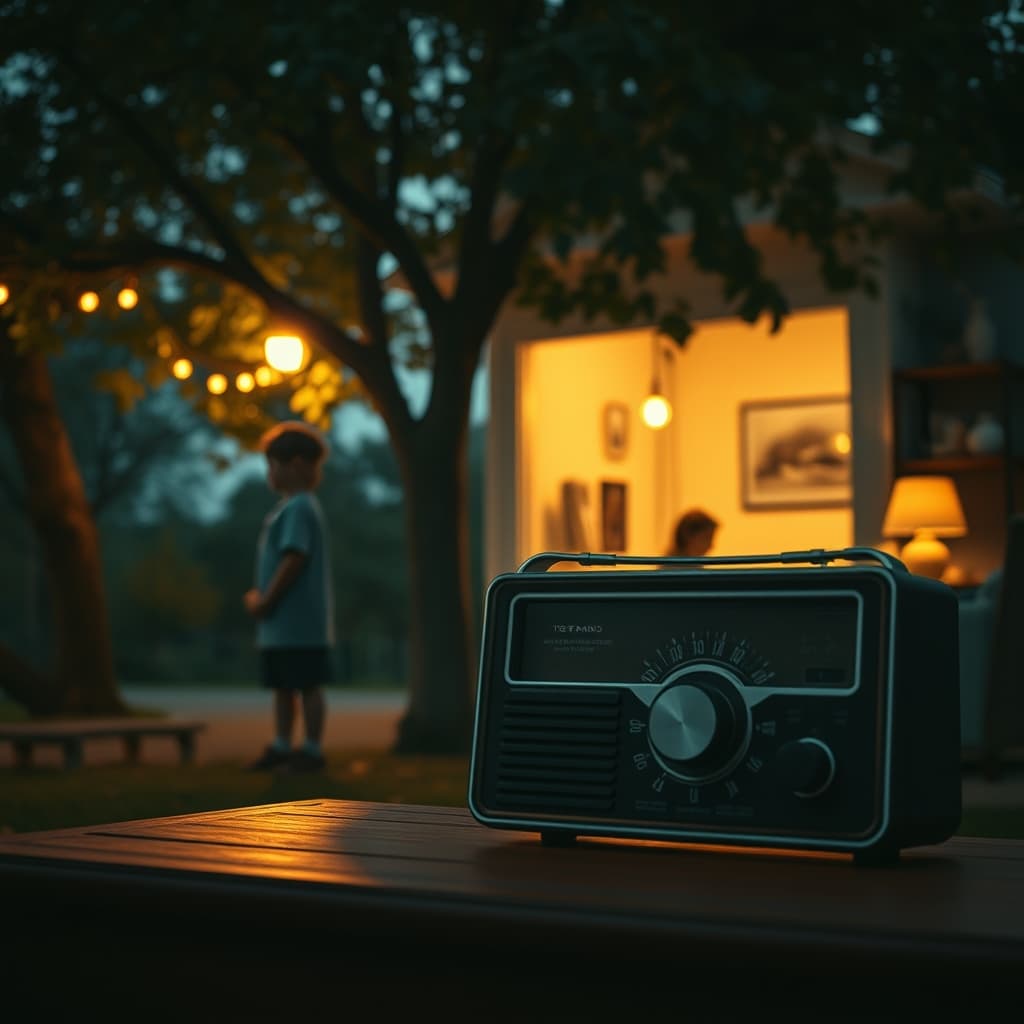
There was a time when the greatest curiosity in a living room gathered around the sound that would emerge from a radio small enough to fit into a palm. That little device, with its bright knobs, thin metal grille, and body that grew gently warm when held close to the ear, was one of the most portable wonders of the analog age. In the rush of a school morning, a child hurrying with a bag might pause for a moment beneath the shade of a plane tree and listen closely: what song is playing, what do the news say, has the match result been announced? By evening, the same radio would sit in the middle of the living room, beside a sofa or atop a lace-covered table, and the family would form a circle of quiet attention around it. In years before television occupied every moment, the pocket radio was not just a device; it carried the habit of waiting together, listening together, and completing sound with imagination.
From the perspective of technological heritage, the pocket radio marks a period when engineering entered daily life with elegance. As large valve radios gave way to more portable models, sound left the walls of the house for the first time and accompanied the street, the school route, the park, and short pauses between tasks. That change meant not only that technology became smaller, but that it moved closer to the rhythm of life. People felt that by carrying the radio, they were carrying the world with them. Yet what mattered most was not merely the innovation itself, but the shared feeling it produced. Families gathered in the living room would listen to an announcer’s voice almost without breathing; if the frequency failed, the device would be tilted, a finger placed near the antenna, and the clear signal arriving after a burst of static felt like a small victory. That quiet excitement has never truly been forgotten.
The reason the pocket radio remains so warm in memory is that it was not only a heard object, but a shared scene. For a child, it meant a brief freedom on the way to school; for an adult, it offered a way to catch the day’s news, encounter a beloved folk song, or not miss the match commentary. In summer, the small device pressed to the ear under the shade of a tree belonged to the open air; in winter, beside the stove in the living room, it turned every face toward the same sound. There would be whispers in between, yet no one spoke too much, because nobody wanted to miss the sentence that might suddenly appear in the flow of the broadcast. That waiting was very different from today’s instantly consumed audio world. Now we can reach anything at once, but then stumbling upon a song, catching a radio play, or listening to the evening bulletin together created a special happiness shaped by patience and chance.
What we miss when we look back at the pocket radio is not analog technology alone. What is missed is the shared attention built around sound. When a family became curious, amused, silent, and expectant at the same moment while listening to the same little device, invisible bonds inside daily life were strengthened. The child seeking shade on the school road and the family gathering in the living room at night were connected by the same emotional thread: the world was being carried into the home and into the imagination through sound. That is why the pocket radio is more than an electronic object left in the past; it is a vessel preserving the slow but intense excitement of the analog age. Its small size held the ear and the heart of an entire era, which is why it remains unforgettable even now.
Pocket Radio: It Tells the Unforgettable Excitement of the Analog Age Within the Quiet Thrill of Families Gathered in the Living Room by Taking Shelter in the Shade of a Plane Tree Amid the Rush to School