 Eski Pano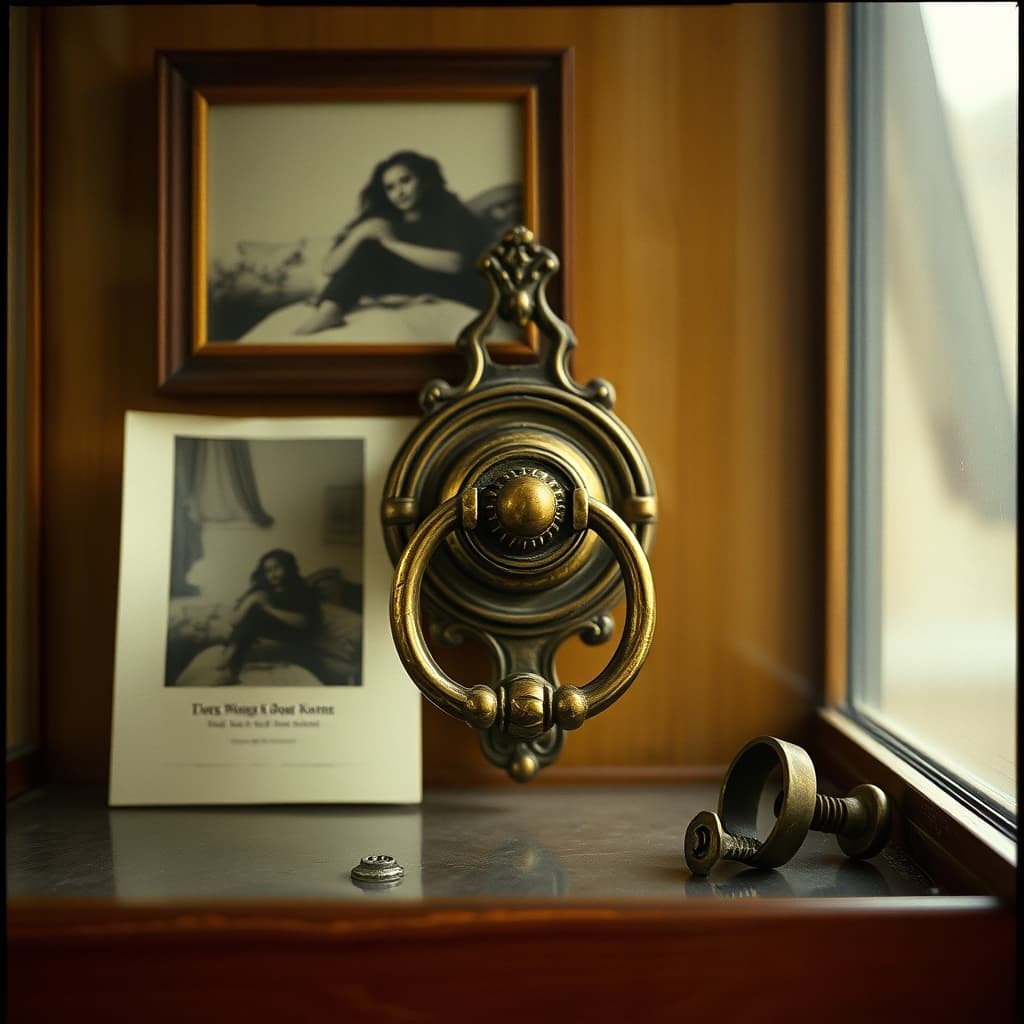
A brass door knocker displayed inside a sitting-room cabinet has crossed an important boundary. Once fixed to an exterior door, it announced visitors through sound and touch. Detached and placed behind glass, it becomes decoration, heirloom, souvenir, or collectible. Its shine may attract attention, but the central historical question is not simply who owned the object. It is which door, building, street, and pattern of arrival gave it meaning.
Door knockers varied widely in metal, casting, form, mounting, and local use. Some were brass; others bronze, iron, or plated alloys. Rings, hands, animals, geometric plates, and plain knockers could be old, recent, regional, imported, or reproduced. Visual style alone cannot establish date. Maker marks, fasteners, casting seams, wear, architectural photographs, and documented provenance need comparison.
The Threshold Produced the Wear
Repeated lifting and striking polished high points while leaving dirt and oxidation in recesses. Mounting holes, compressed surfaces, and abrasion on the strike plate can show orientation and long use. Yet artificial ageing and salvaged hardware can imitate these clues. A detached knocker without its door loses evidence about height, sound, surrounding fittings, paint layers, and how residents responded.
At the threshold, sound carried social information. A cautious knock, repeated strike, or familiar rhythm could prompt different expectations, although claims about coded knocking should be tied to reliable local testimony. Children, tradespeople, relatives, officials, and strangers approached the same object differently. The knocker mediated privacy: it allowed a visitor to request entry without crossing the boundary.
Removal Can Record Loss or Create It
A family may have saved a knocker when an old house was demolished, renovated, sold, or abandoned. In that case, the object can witness architectural change. It may also have been removed without permission or stripped from a culturally significant building. Ethical collecting requires ownership history, legal acquisition, and sensitivity to cultural property. A compelling story from a market stall is not enough.
Moving the object into a display cabinet changes its care. Brass reacts to moisture, skin oils, pollutants, and cleaning compounds. Lacquered, plated, or painted surfaces should not receive the same treatment as bare metal. Aggressive polishing can erase tool marks, coatings, residues, and inscriptions. Conservation seeks stability and readable evidence, not maximum brightness.
The Market Encourages Reproduction
Renewed interest in historic interiors has encouraged high-quality replicas and newly cast decorative pieces. Reproduction is not fraud when clearly described, and it can protect original architecture by meeting design demand without removal. Problems arise when new pieces are artificially aged or sold with invented provenance. Weight and patina alone are insufficient; construction and documentation matter.
A useful catalogue record photographs front, back, sides, fasteners, and strike plate; gives dimensions and weight; transcribes marks; and records the material identification method. It also preserves family testimony as attributed memory rather than established fact. If the original door survives, the knocker may be understood best in context rather than permanently separated.
A Digital Nostalgia Archive can connect the knocker to house photographs, deeds, renovation records, oral histories, street maps, and foundry catalogues. Exact addresses may need privacy protection. The object deserves renewed attention not because every old brass surface is precious, but because it once turned a silent façade into an exchange: someone outside asked, someone inside listened, and the threshold decided what happened next.