 Eski Pano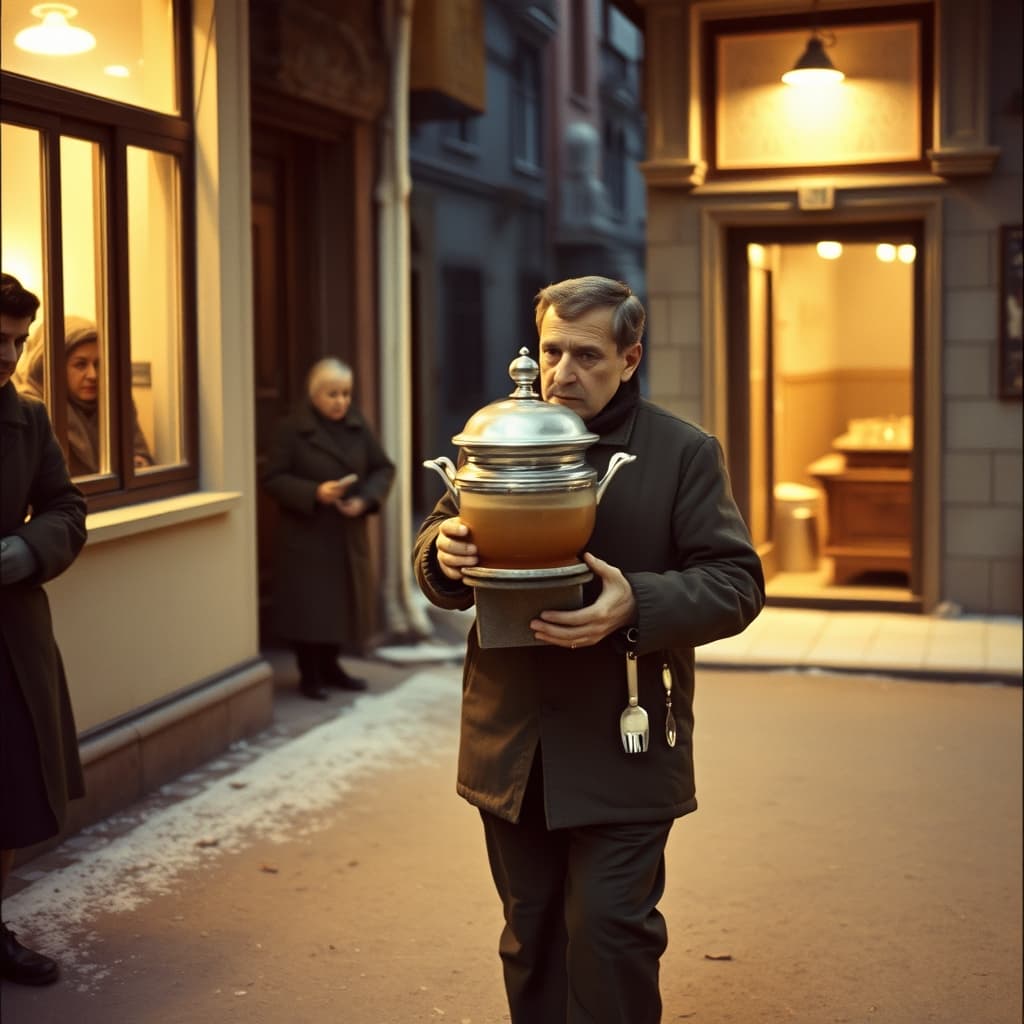
Boza entered the winter evening through sound as well as taste. A vendor's call travelled along streets after daylight faded, reaching windows and stairwells before the drink reached a glass. The call announced availability, but it also mapped movement: residents judged direction, distance, and whether there was time to send someone downstairs.
The drink itself is a fermented cereal beverage with regional variations in grain, thickness, sweetness, acidity, and method. It should not be reduced to one universal recipe. Production requires managing cooked grain, water, fermentation, temperature, time, and cleanliness. The pleasant balance associated with good boza depends on control, not simply leaving a mixture to age.
Fermentation Is Living Chemistry
Microorganisms transform sugars and contribute acidity, aroma, and texture. Conditions that support desired fermentation can also allow spoilage or contamination when hygiene and temperature fail. Home preparation today should follow a tested method from a reliable source, use clean equipment, and respect refrigeration and storage guidance.
Appearance or sourness alone cannot prove safety. Unexpected gas, mould, off odour, abnormal separation, damaged packaging, or uncertain storage is reason for caution. People with health concerns should seek appropriate dietary advice.
Distribution Shaped the Winter Ritual
Boza had to move from producer to shop, vendor, or household while retaining quality. Containers, ladles, measures, and serving vessels required cleaning. The vendor balanced load, route, weather, customer expectation, and time. A picturesque call rested on demanding physical and commercial labour.
At home, the drink might be poured into glasses or bowls and served with cinnamon or roasted chickpeas according to preference. These additions created contrast but were not identical everywhere. The serving moment joined street commerce to domestic warmth: the product crossed the threshold, then became part of conversation near a stove or table.
What the Call Did for the Neighbourhood
Regular vendors became familiar without necessarily becoming close friends. Their voices helped residents recognise season and hour. Children learned to distinguish one call from another. A missed evening could be noticed. This soundscape belonged to a city with openable windows and more commerce carried by human voice.
Nostalgia must also recognise disturbance, uneven access, weather exposure, and the vulnerability of informal workers. The romantic night belonged to someone carrying weight in cold streets. Oral histories should record routes, sourcing, earnings, permits, equipment, and working conditions alongside customer memories.
Boza nights remain warm in memory because they linked fermentation, distribution, sound, and hospitality. Preserving the tradition means more than repeating the call or staging an old vessel. It requires documenting grain, method, temperature, container, route, seller, and serving practice. That full chain explains how a seasonal drink took its place in the heart of city life—and how cultural pleasure depended on knowledge and labour from production room to winter doorstep. Sound recording adds another valuable layer. A vendor call should be captured with place, date, route, and permission rather than isolated as an anonymous effect. Comparing several calls can reveal individual style, changing street acoustics, and the way apartment construction altered how far a human voice travelled on a cold night.