Eski Pano
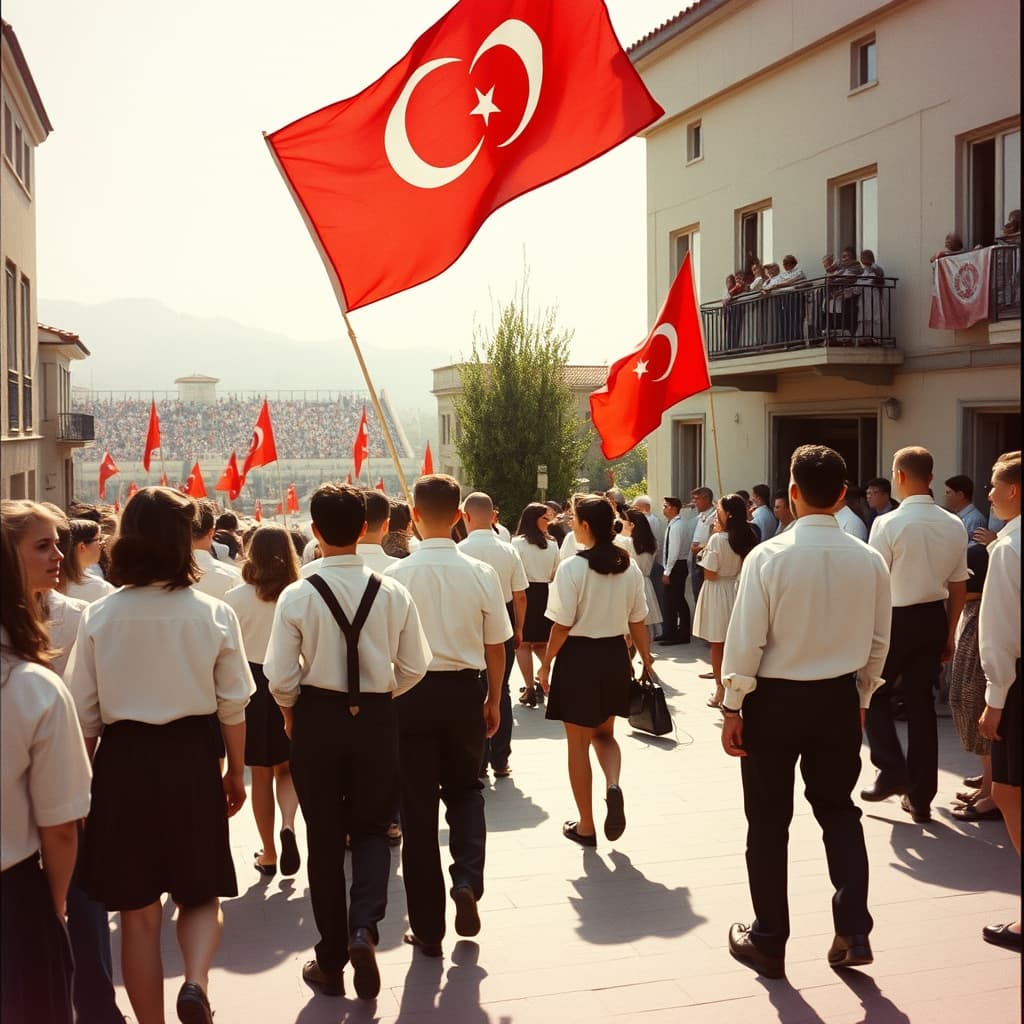
There was a time when, as mid-May approached, even the wind seemed to carry a different feeling. The name of the Bandirma Ferry did not remain only in history books; it came alive again in schoolyards, homes, coffeehouses, and the columns of old newspapers. Early in the morning, freshly ironed white shirts were laid out, small badges to be pinned on the collars of young people were lined up at the edge of the table, and mothers straightened their children's hair with the care of a holiday preparation. Everyone who stepped into the street felt, together with the first real warmth of the season, that 19 May was not merely a ceremonial date, but a living memory reminding the nation of its will to stand upright again. That voyage departing from Bandirma carried, even years later, a sense of courage that reached all the way inside ordinary homes.
Seen in the trail of time, the power of 19 May in collective memory comes not only from representing a great historical beginning. It also comes from carrying the idea of youth, the courage to look toward the future, into the texture of everyday life. Old newspapers often devoted wide columns to holiday preparations, stadium performances, school parades, poems, marches, and sporting events joined by the young. That was because 19 May was not a passive act of remembrance, but a form of shared memory rebuilt through bodies, voices, marching steps, and public presence. In any city, students stepping in rhythm together, young women and men filling the squares with flags in hand, took on meaning in a moment when the future of the country seemed to be searched for in their faces. For that reason, the name Bandirma came to signify not only a ship, but the resolve that spread from it.
The traces left by that courage in daily life often began even before the ceremony grounds. Poems memorized at school desks, the serious rehearsal instructions of teachers, groups of children walking through the neighborhood singing marches, and the quiet approval of elderly people watching from the windows all showed how deeply 19 May had taken root among the public. In some homes, a father spoke of the stadium display he had joined in his own youth; in others, a mother worried over how white the ironed collar ought to be. For children, the day meant something between performance, excitement, and a seriousness borrowed from adults. Yet when one looks back years later, what is remembered is often not only the formal ceremonies, but the feeling of preparation stretching from the house to the square, the streets entering a festive order at first light, and the way everyone briefly built the nation as a shared sentence of hope.
That hope of youth spreading from Bandirma is therefore never confined to a single historical instant. It defines youth not merely as an age, but as an energy capable of lifting a society back to its feet. The courage given to the nation on 19 May is the clearest form of the feeling that a new beginning is possible. For generations that had emerged from hardship, this date meant not only commemoration, but a discipline of gathering strength. The flags opened in the squares, the words hung on school walls, and the applause rising at once in the stadium were all moments in which a people renewed its trust in its youth. When we think of those days today, we understand that Bandirma was not simply a point of departure, but a threshold whose name became synonymous with hope in social memory. The mark left by 19 May does not fade when the ceremony ends, because it lives in the deep belief that the nation, even in its hardest hours, can rebuild itself with youthful courage.
The Hope of Youth Spreading from Bandirma: The Courage 19 May Gave to the Nation