Eski Pano
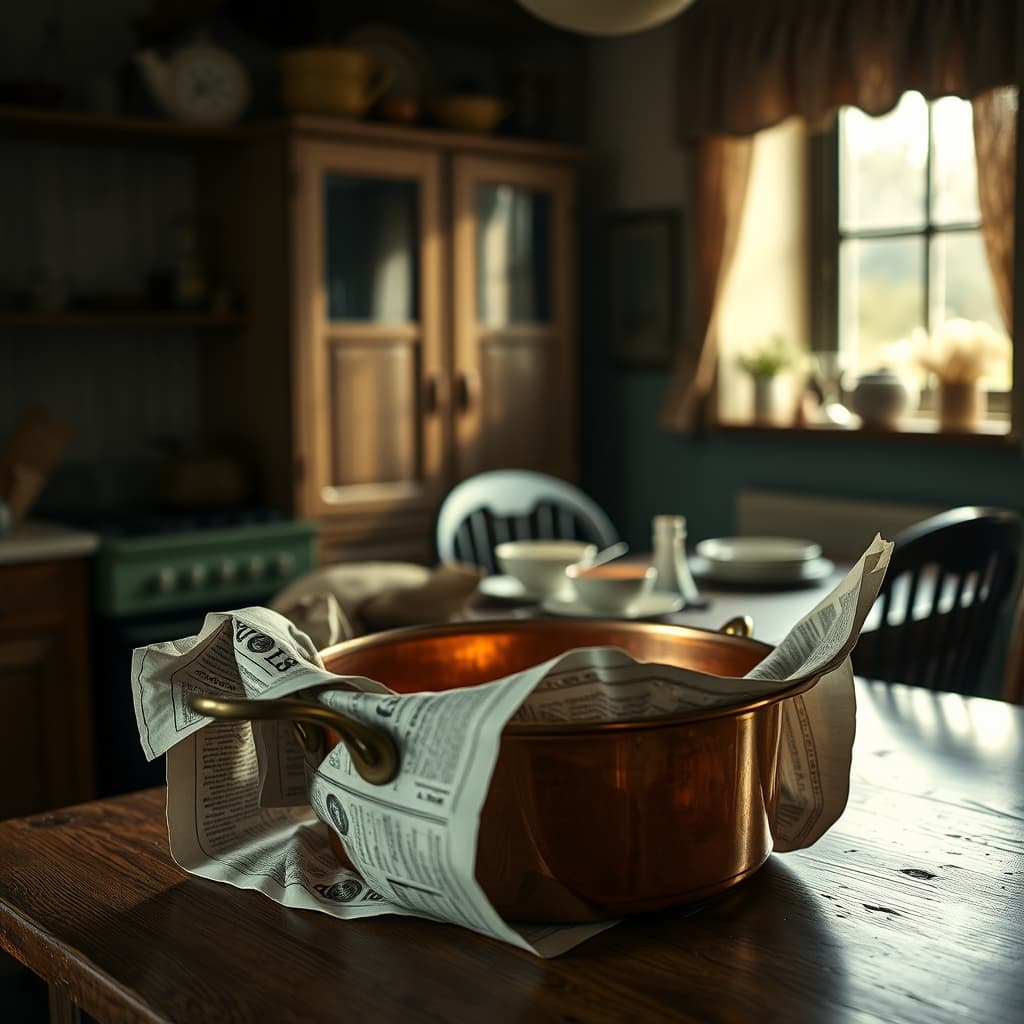
In a kitchen, some objects gained value not only because they were used, but because they were carefully wrapped and placed again in every move. The copper pan stood at the head of those objects. Even as its shine darkened with time, its handle loosened slightly, and its base bore the marks of countless meals, the bond it held with the table never weakened. Sometimes it rested on the highest shelf of a cabinet, sometimes in the safest corner of the kitchen, and then reappeared on holidays, when guests arrived, or on evenings that gathered the family together. When moving day came, it was wrapped separately from plates and glasses, carefully folded into newspaper, treated as an object that carried not only the arrangement of a home, but also the taste of its owners. Copper was more than a material. It represented an era’s sense of brightness, kitchen elegance, and domestic care.
Within the stories of objects, the place of the copper pan becomes clear precisely in this balance between function and beauty. In middle-class Republican homes, and in older household traditions as well, copper kitchenware was seen as both useful and distinguished. Bringing such a pan to the table did more than serve food; it elevated the meal visually and emotionally. The warm glow of polished copper differed from the plainer look of enamel or aluminum, adding a subtle feeling of refinement to the home. This is why it was protected through moves, not only because it cost something, but because it represented the household’s cultivated taste. A pan traveling from one apartment to another remained a quiet witness to the family’s aesthetic line, even if curtain fabrics, wall colors, or tablecloths changed. Very often it also became an inherited memory, passing from mother to daughter or from aunt to niece.
The memory carried by the copper pan gathers countless details of daily life. The steam rising from pilaf served inside it, stuffed vegetables arranged in its round form, the metallic sound it made while moving from stove to table, the clean copper scent that appeared when it was dried after washing, all belong to the sensory world of home life. The fact that a special place was reserved for it when moving crates were prepared shows that families did not choose objects only for utility. Aesthetic value, durability, and memory came together in the same body. In a new house, the pan might be one of the first objects to be placed, because seeing a familiar piece in an unfamiliar kitchen helped the feeling of settlement arrive sooner. The light of the old home seemed to continue in it, and the order of the new one became more recognizable around it. For that reason, the copper pan was one of the small yet powerful constants of a life that kept moving.
Today, copper objects are often treated as decorative nostalgia, yet their true story lies in the closeness they once had with daily use. What allowed the copper pan to reflect the taste of an era was not only that it was considered beautiful or polished, but that it carried function, display, and family memory all at once. This object that accompanied a home through every move reminds us that what counted as beautiful in the past was not limited to what was new or expensive; things cared for and handed down across generations were also seen as graceful. Beginning as a kitchen tool and becoming part of a family story, the copper pan reveals how tactile and emotional the world of home culture once was. That may be why, even now, the sight of a copper pan recalls not only old kitchens, but also the careful taste that traveled from one home to another.
The Copper Pan and Its Memory of Accompanying a Home Through Moves: How Did It Reflect the Taste of an Era?