 Eski Pano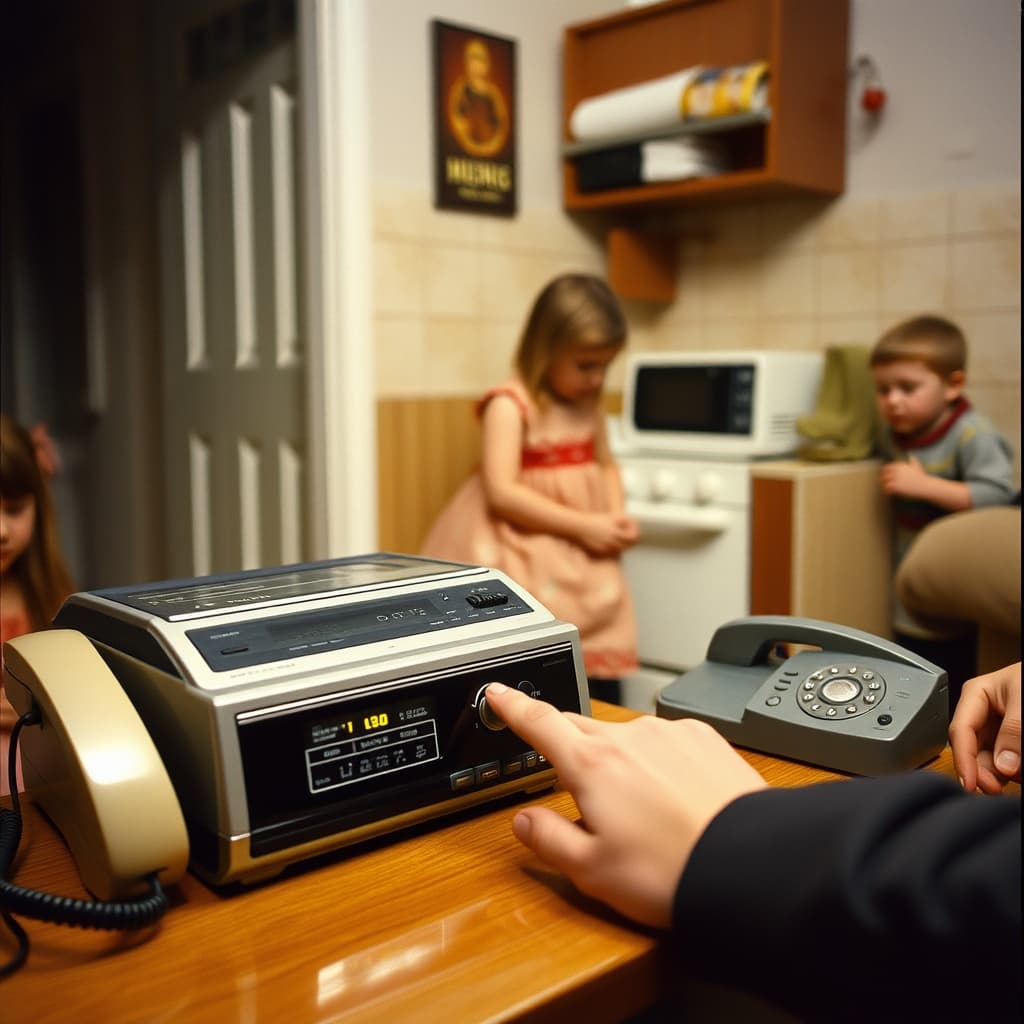
The answering machine changed the meaning of an unanswered telephone. Before it, a ringing phone demanded presence or surrendered the caller to uncertainty. With a recorded greeting and a cassette or digital memory, absence could produce evidence. A voice arrived, identified itself or did not, explained urgency, and waited to be heard by whoever returned home first.
Early household machines varied. Some used standard cassettes; many later models used compact microcassettes; others shifted to solid-state recording. Separate tapes could hold the outgoing greeting and incoming messages, while another design combined functions. The familiar beep marked the transition from the household's prepared voice to the caller's limited recording time.
Recording the Greeting Was a Family Decision
A greeting needed to be clear without revealing too much. Saying that no one was home could create a security concern, while a vague message might confuse callers. Families chose who should speak, whether to mention names, and how formal to sound. Background noise, laughter, or repeated failed attempts often accompanied the supposedly simple task.
The greeting was also an audio self-portrait. Accent, wording, room acoustics, and telephone quality placed a household in a particular period. When preserved, it deserves the same consent and contextual care as other family recordings.
Microcassette Mechanics Shaped the Message
Tape length imposed limits. Callers spoke quickly when they knew the machine might cut off. Belts, capstans, pinch rollers, heads, and small gears moved the tape; wear could create slow voices, tangled cassettes, or failure to rewind. Cleaning and repair required suitable methods and caution around mains electricity.
A surviving machine should not be powered casually after decades. Degraded cables and components need qualified assessment. Valuable tapes can be damaged by a faulty mechanism, so they should be inspected and, where important, digitised on serviced equipment by someone experienced with fragile audio.
Playback Created New Questions of Privacy
Messages were often heard through a loudspeaker in a shared room. The first person home could hear words intended for someone else. Families developed informal rules about stopping playback, leaving notes, or erasing messages. Remote access codes later allowed owners to call the machine and retrieve recordings, adding convenience and another security risk if codes were weak or widely known.
Recorded voices can carry personal, medical, financial, or relational information. An archive should obtain permission where possible, restrict sensitive material, and avoid publishing a voice merely because an old tape survives. Date, caller, recipient, machine, cassette, and circumstances should be documented separately from speculation.
The answering machine's excitement was quieter than a family gathered around a film projector. It appeared in the pause before playback and in the recognition of a voice that had visited the room during absence. The machine made domestic time asynchronous: callers spoke now, households listened later. Its microcassette, counter, beep, and blinking indicator show an important step between the live telephone call and today's voice message. Preserving that step means caring for mechanics and respecting the people whose voices remain inside. Labels noting tape side, recording speed, approximate date, and message order can prevent later digitisation from separating a voice from its original sequence.