 Eski Pano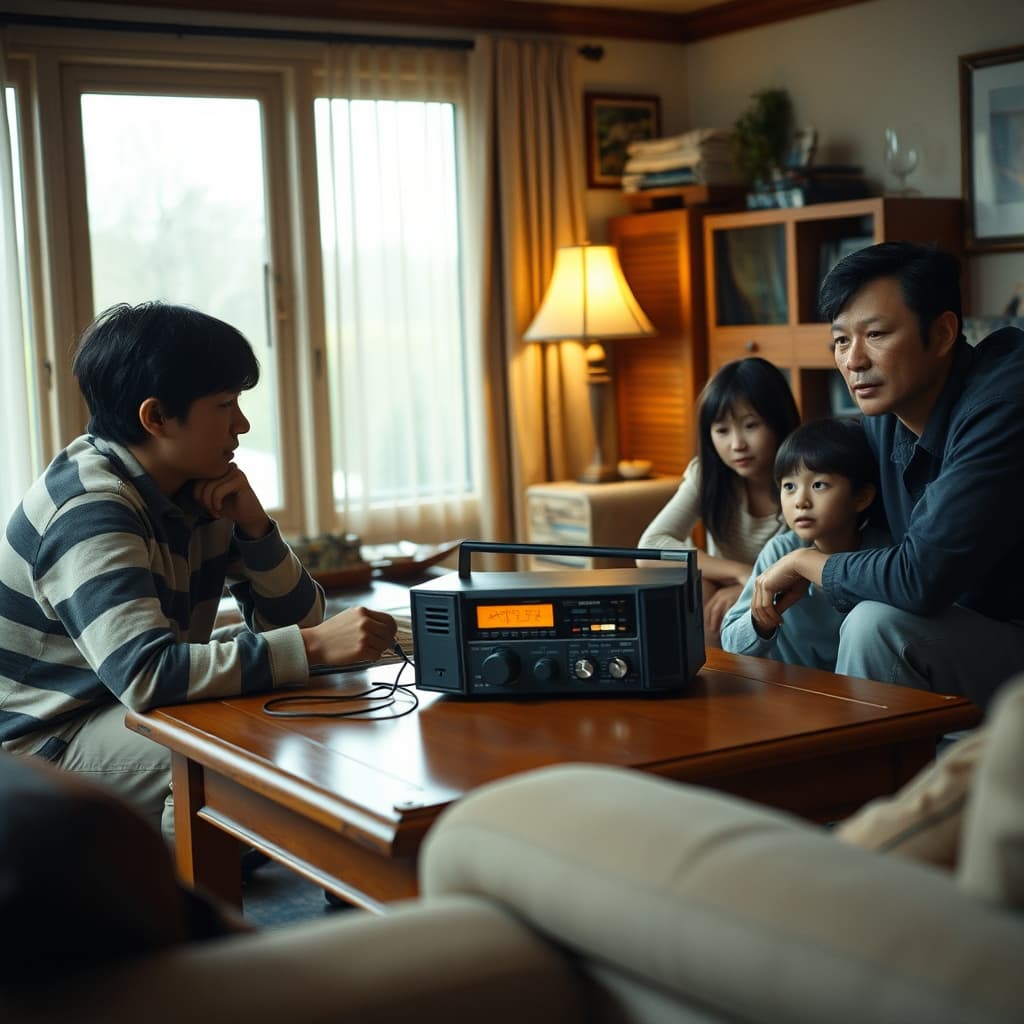
An amateur radio station in a family home transformed a corner of the room into a point of contact with distant places. A transceiver, microphone, tuning controls, meter, logbook, cables, and perhaps a map gathered around the operator. Relatives learned to lower their voices when a weak signal appeared. Static opened, a call sign emerged, and the possibility of a reply created the quiet excitement remembered from analog evenings.
Amateur radio is a licensed technical service and hobby, not the same as ordinary broadcast listening. Operators communicate within authorised frequency bands and follow national regulations, identification rules, and technical limits. Requirements differ by country and period. Historical accounts should verify licence class, call sign, equipment, band, and date rather than assume that every shortwave set could legally transmit.
Listening Came Before Speaking
The operator tuned carefully, distinguished speech from interference, and waited for an appropriate moment. Contact procedure used concise conventions so stations could identify one another and share essential information. Propagation changed with frequency, time, solar conditions, season, and geography. A signal that arrived strongly one evening might be absent the next.
Family members often experienced the contact through the operator’s explanation. Children pointed to a place on the map or copied a call sign. Yet the station was not casual play. Pressing transmit at the wrong time, using unsuitable equipment, or interfering with other services had consequences. Training and discipline were part of the fascination.
The Antenna Was a Working Component
Unlike poetic antenna references attached to unrelated devices, an antenna is technically central to radio transmission and reception. Its type, dimensions, feed line, placement, matching, and surroundings affect performance. More power cannot correct every poor installation. Improper antennas and cables can damage equipment or create interference.
Safety is essential. Outdoor systems face lightning, wind, falls, structural loads, and proximity to power lines. Transmitters involve radio-frequency exposure and electrical hazards. Installation, grounding, maintenance, and operation should follow current regulation and expert guidance. Vintage equipment may contain dangerous voltages even after power is removed.
The Logbook Made a Fleeting Voice Verifiable
Operators recorded date, time, frequency, mode, call sign, signal report, and notes. Confirmation cards sometimes followed by post. These records can reconstruct networks when interpreted carefully. UTC and local time should not be confused, and call signs can be reassigned. Personal addresses and living operators’ details require privacy consideration before publication.
Repair culture supported the station. Operators and technicians tested valves or transistors, power supplies, microphones, connectors, and meters; they built accessories and shared circuit knowledge. Modifications should be documented because they affect both operation and historical authenticity. Unknown sets should be assessed before being powered.
Preserving a Technical and Social Practice
An archive should connect equipment to licence documents, manuals, logbooks, cards, antenna diagrams, repairs, recordings, and family testimony. Record who operated and who listened. The family’s quiet excitement came from disciplined uncertainty: distant conditions, skilled tuning, and a stranger responding through noise. Amateur radio made the analog age memorable not because distance disappeared, but because every successful contact revealed the work required to cross it.