🇹🇷 Türkçe | okul dönüşü tabağa ilk uzanan kaşık ile hatırlanan tarhana çorbası: ev mutfağının karakterini nasıl anlatıyor
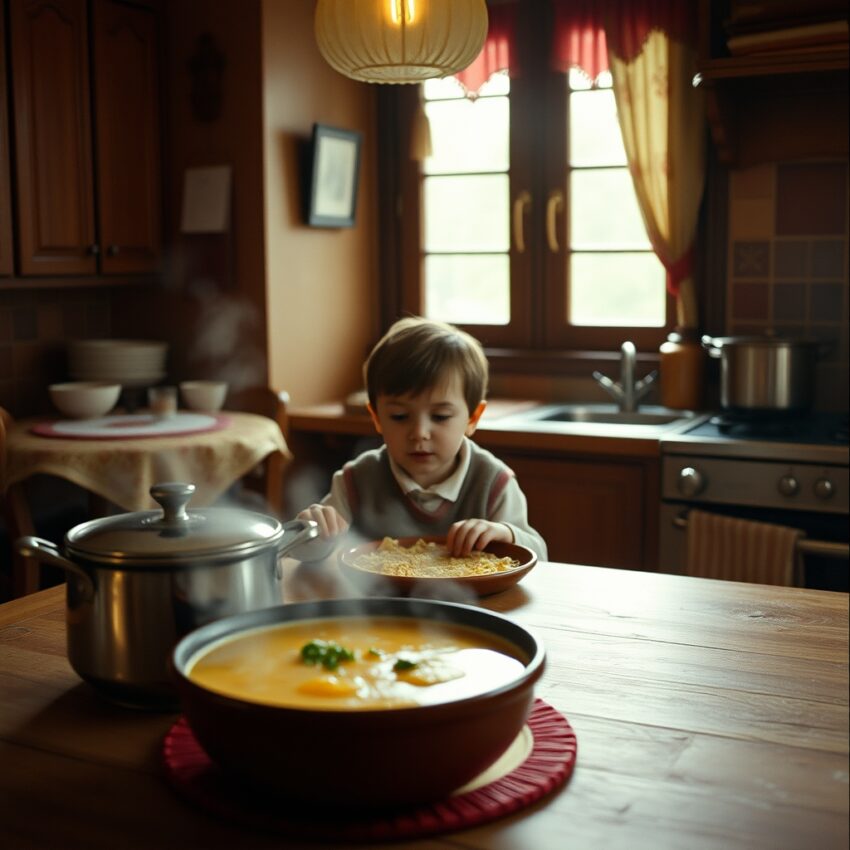
Bir zamanlar okul dönüşü eve girildiğinde mutfaktan gelen ilk koku, günün geri kalanını nasıl yaşayacağınızı bile belirlerdi. Özellikle tarhana çorbası kaynıyorsa, evin içindeki hava hemen başka bir yumuşaklığa bürünürdü. Antreden mutfağa uzanan o sıcak koku, mont daha çıkarılmadan, çanta daha yere bırakılmadan insana “eve geldin” duygusunu verirdi. Tabağa ilk uzanan kaşık, çoğu zaman yalnız açlığın değil, gün boyu dışarda kalmış çocuk bedeninin ve zihninin eve geri alışının işaretiydi. Tarhananın ekşi, yoğurtlu, domatesli derinliği bir öğünden fazlasını taşır; ev mutfağının sesini, sabrını ve kendine has karakterini anlatırdı.
Damak Hafızası bakımından tarhana çorbası, geleneksel mutfak kültürünün belki de en katmanlı örneklerinden biridir. Çünkü tarhana yalnız pişen bir yemek değil, öncesinde hazırlanmış, kurutulmuş, saklanmış ve mevsim bilgisiyle korunmuş bir emeğin sonucudur. Yazın yoğrulup serilen, güneşte kurutulan, sonra ufalanıp kavanoza ya da bez torbaya alınan tarhana, kış ve okul mevsimi geldiğinde yeniden sofraya döner. Bu yönüyle bir tariften çok aile takviminin parçasıdır. Her evin tarhanası biraz farklıdır; kimi daha ekşidir, kimi nanelidir, kimi daha koyu kıvamlıdır. İşte ev mutfağının karakteri de burada görünür olur: aynı çorba, her evde başka bir ses tonuyla konuşur.
Okul dönüşü ilk kaşığın hafızada bu kadar güçlü yer etmesinin nedeni, çorbanın yalnız lezzet değil düzen duygusu vermesidir. Çocuk dışarıdaki kalabalıktan, derslerin yorgunluğundan, yağmurlu bahçeden ya da soğuk koridordan eve taşınırken sofrada onu bekleyen çorba, günün dağılmış parçalarını toplar. Buharı gözlüğü hafifçe buğulandırır, kaşığın kenara değen sesi duyulur, bazen yanında kızarmış ekmek gelir, bazen üzerine kırmızı biberli yağ gezdirilir. Mutfakta tencere kapağının sesi, ocak başındaki annenin ya da anneannenin eli, masadaki örtü ve çorbanın sıcaklığı aynı anda çalışır. Bu yüzden ilk kaşık, bedeni ısıttığı kadar ruhu da yerine yerleştirir.
Tarhana çorbası ev mutfağının karakterini anlatırken gösterişsizliğin gücünü de ortaya koyar. Bu çorba büyük sunumlar istemez; derin bir tabak, iyi ayarlanmış bir kıvam ve doğru zamanda sofrada olması çoğu kez yeterlidir. Ama tam da bu sadelik içinde evin el ayarı saklıdır. Suyunun ölçüsü, salçasının tonu, sarımsağın belirginliği, nane serpiştirilip serpiştirilmediği, yanında ekmek mi yoksa turşu mu verildiği, hepsi mutfağın kişiliğini ortaya çıkarır. Bazı evlerde tarhana hızlıca içilir ve ödev başına dönülür, bazı evlerde ise çorba etrafında kısa bir sohbet kurulur. Yani aynı yemek, yalnız damakta değil, ev içi zamanın kurulma biçiminde de karakter gösterir.
Belki de bu yüzden tarhana çorbası çocuk hafızasında ilk uzanan kaşıkla birlikte yer eder. Çünkü o kaşık, yemeğin içinden çok daha büyük bir şeyi kaldırır: güven hissini. Dışarda geçen gün ne kadar yorucu olursa olsun, evde bir tencerenin sizin dönüş saatinizi hesaba katarak kaynamış olması, çocuk için unutulmayacak bir merhamet biçimidir. Bugün hazır çorbalar, hızlı tarifler ve yoğun gündem içinde bu his seyrekleşmiş olabilir. Ama tarhana hâlâ birçok evde yalnız besleyici bir çorba değil, mutfağın karakterini, mevsim bilgisini ve aile şefkatini aynı tabakta anlatan eski bir dil olarak yaşamayı sürdürüyor.
🇬🇧 English | Tarhana Soup Remembered by the First Spoon Reaching the Bowl After School: How Does It Tell the Character of the Home Kitchen
There was a time when the first smell coming from the kitchen after returning home from school could shape the rest of the day. If tarhana soup was simmering, the air inside the house immediately softened into something gentler. That warm scent stretching from the kitchen to the hallway gave the feeling of “you are home” before a coat was taken off or a schoolbag set down. The first spoon reaching toward the bowl was often the sign not only of hunger, but of a child’s body and mind, which had been outside all day, settling back into the house. The sour, yogurt-rich, tomato-deep flavor of tarhana carried more than a meal. It spoke in the voice, patience, and distinctive character of the home kitchen.
In terms of taste memory, tarhana soup is perhaps one of the most layered examples of traditional kitchen culture. Tarhana is never merely a dish cooked at the moment; it is the result of labor prepared earlier, dried, stored, and preserved with seasonal knowledge. Kneaded in summer, spread out to dry under the sun, then crumbled into jars or cloth bags, tarhana returns to the table once winter and the school season arrive. In that sense it belongs less to a recipe than to the calendar of the family. Every household’s tarhana differs slightly: some are more sour, some mint-forward, some thicker in texture. And it is exactly there that the character of the home kitchen becomes visible. The same soup speaks in a different tone in every house.
The reason the first spoon after school remains so powerful in memory is that the soup offers not only flavor, but a feeling of order. As a child carries home the fatigue of classes, the crowd of the day, the wetness of a rainy yard, or the coldness of a corridor, the soup waiting on the table gathers the scattered pieces of the day back together. Its steam lightly clouds the glasses, the spoon touches the bowl with a recognizable sound, and sometimes toasted bread comes beside it, while at other times red pepper butter is poured over the top. The sound of the pot lid, the hand of a mother or grandmother at the stove, the cloth on the table, and the warmth of the soup all work together at once. That is why the first spoon puts not only the body, but also the spirit back into place.
As it tells the character of the home kitchen, tarhana soup also reveals the strength of modesty. It asks for no dramatic presentation. A deep bowl, a well-judged texture, and arriving at the table at the right time are often enough. Yet within that simplicity the hand-setting of the household is hidden. The amount of water, the shade of tomato paste, the presence or restraint of garlic, whether mint is sprinkled, whether bread or pickles come alongside, all reveal the kitchen’s personality. In some homes tarhana is finished quickly before homework begins, while in others a short conversation forms around the bowl. So the same soup shows character not only in taste, but in the way household time is arranged around it.
Perhaps that is why tarhana soup settles into childhood memory with the first spoon. Because that spoon lifts something far larger than food itself: the feeling of security. No matter how tiring the day outside may have been, the fact that a pot has been simmering with your return in mind is, for a child, a form of mercy that is not forgotten. Ready-made soups, fast recipes, and crowded schedules may have made that feeling rarer today. Yet in many homes tarhana still lives not only as a nourishing soup, but as an old language through which the kitchen tells its character, seasonal knowledge, and family tenderness in a single bowl.
🇧🇷 Português (Brasil) | A Sopa de Tarhana Lembrada pela Primeira Colher que Alcança o Prato na Volta da Escola: Como Ela Conta o Caráter da Cozinha da Casa
Houve um tempo em que o primeiro cheiro vindo da cozinha quando se chegava da escola podia definir a forma de viver o resto do dia. Se havia sopa de tarhana fervendo, o ar da casa imediatamente ganhava uma suavidade diferente. Esse cheiro quente que saía da cozinha e alcançava o corredor dizia “você chegou em casa” antes mesmo de o casaco ser tirado ou a mochila ser colocada no chão. A primeira colher que alcançava o prato era, muitas vezes, sinal não apenas de fome, mas da volta do corpo e da mente da criança ao ambiente da casa depois de um dia inteiro fora. A profundidade ácida, iogurtada e tomatada da tarhana carregava mais do que uma refeição. Ela falava com a voz, a paciência e o caráter particular da cozinha doméstica.
Na memória do paladar, a sopa de tarhana talvez seja um dos exemplos mais complexos da cultura culinária tradicional. Isso porque tarhana não é apenas um prato preparado na hora; é o resultado de um trabalho anterior, que foi misturado, seco, guardado e protegido com conhecimento da estação. Preparada no verão, espalhada para secar ao sol e depois esfarelada para potes ou sacos de pano, a tarhana volta à mesa quando chegam o inverno e o período escolar. Nesse sentido, pertence menos a uma receita do que ao calendário da família. Cada casa tem uma tarhana um pouco diferente: algumas são mais ácidas, outras levam mais hortelã, outras ficam mais espessas. É exatamente aí que o caráter da cozinha da casa aparece. A mesma sopa fala com um tom diferente em cada lar.
O motivo de a primeira colher depois da escola permanecer tão viva na memória é que a sopa oferece não só sabor, mas também sensação de ordem. Quando a criança traz para dentro de casa o cansaço das aulas, o barulho do dia, a umidade do pátio chuvoso ou o frio do corredor, a sopa que a espera sobre a mesa recolhe de volta os pedaços espalhados do dia. O vapor embaça levemente os óculos, ouve-se o toque da colher no prato e, às vezes, vêm junto torradas; em outras ocasiões, um fio de manteiga com pimenta é colocado por cima. O som da tampa da panela, a mão da mãe ou da avó junto ao fogão, a toalha da mesa e o calor da sopa trabalham em conjunto. Por isso a primeira colher coloca no lugar não apenas o corpo, mas também o espírito.
Ao contar o caráter da cozinha doméstica, a sopa de tarhana também revela a força da discrição. Ela não exige grandes apresentações. Um prato fundo, uma consistência bem ajustada e o fato de chegar à mesa na hora certa quase sempre bastam. No entanto, dentro dessa simplicidade está escondido o ajuste da mão da casa. A medida da água, o tom do molho, a presença do alho, a escolha de colocar ou não hortelã e se ela vem acompanhada de pão ou picles revelam a personalidade da cozinha. Em algumas casas a tarhana é tomada rapidamente antes do dever de casa; em outras, uma pequena conversa se forma em torno do prato. Assim, a mesma sopa mostra caráter não apenas no sabor, mas na maneira como o tempo doméstico se organiza ao redor dela.
Talvez seja por isso que a sopa de tarhana se instale na memória infantil com a primeira colher. Porque essa colher levanta algo muito maior do que alimento: a sensação de segurança. Não importa quão cansativo tenha sido o dia lá fora, o fato de existir uma panela fervendo pensando na sua hora de chegada é, para uma criança, uma forma de cuidado impossível de esquecer. Sopas prontas, receitas rápidas e rotinas cheias podem ter tornado esse sentimento mais raro hoje. Mesmo assim, em muitas casas a tarhana continua viva não apenas como uma sopa nutritiva, mas como uma linguagem antiga pela qual a cozinha conta, no mesmo prato, seu caráter, seu saber das estações e sua ternura familiar.