🇹🇷 Türkçe | köşe başı kırtasiyesi ile geçen saatler çocuk hafızasında neden hiç silinmedi
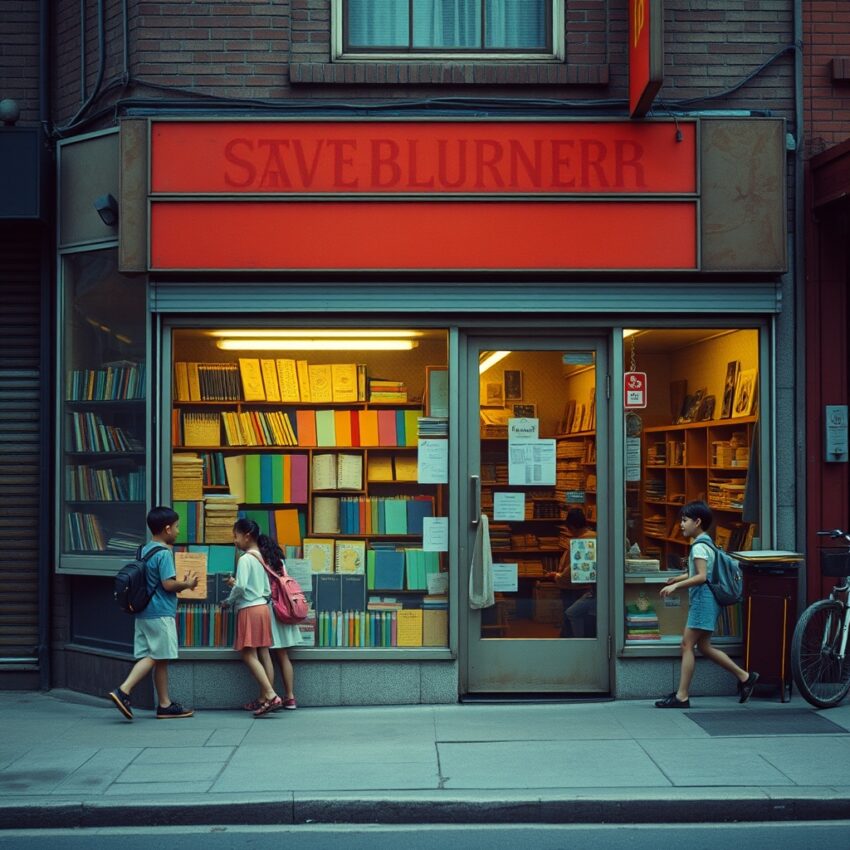
Bir zamanlar her mahallenin çocuklar için gizli bir eşiği vardı ve bu eşik çoğu kez köşe başındaki kırtasiyenin cam kapısından başlardı. Okul çıkışı kalabalığı dağılırken kimi çocuk doğrudan eve gider, kimi ise birkaç dakika daha oyalanmak için o dükkana uğrardı. İçeride kurşun kalem kokusu, silgi tozu, karton kapaklı defterlerin mat yüzeyi ve raflarda sıraya dizilmiş boya kutuları vardı. Cam vitrinin köşesine iliştirilmiş çıkartmalar, renkli fon kağıtları, cetveller ve küçük oyuncaklar o dükkanı sıradan bir alışveriş noktasından çıkarırdı. Saatler uzun sürmezdi belki, ama orada geçirilen zaman çocuk hafızasında gerçek süresinden çok daha geniş yer kaplardı.
Mahalle Kültürü açısından köşe başı kırtasiyesi, mahalle esnafının çocuklukla kurduğu en özel temas alanlarından biriydi. Bakkal ihtiyaç için, fırın ekmek için, kasap akşam yemeği için önemliydi; kırtasiye ise biraz hayal, biraz okul düzeni, biraz da büyüme duygusu taşırdı. Esnaf, mahalle çocuklarının hangi sınıfta olduğunu bilir, hangi kalemin daha çok tercih edildiğini söyler, bazen eksik kalan bozukluğu önemsemeden veresiye defterine küçük bir çizik atardı. Yeni ders yılı öncesinde kırtasiye önlerinde oluşan hafif telaş, şehir hayatının en zarif mevsim hazırlıklarından biriydi. Defter kaplatmak, isim etiketi seçmek, kalemtraş denemek ve koku silgilerine bakmak bir alışverişten çok çocukluğun kamusal ritüeliydi.
Bu saatlerin silinmemesinin bir nedeni, dükkandaki nesnelerin çocuk için yalnız işlev taşımamasıdır. Bir kurşun kalem, daha düzgün yazma hayali kadar yeni başlangıç hissi de verirdi. Kapak resmi sevilen bir defter, ders çalışmayı bile daha katlanılır gösterirdi. Rengarenk fosforlu kağıtlar, yalnız proje ödevi için değil, insanın içini kıpırdatan bir olasılıklar duvarı gibi dururdu. Üstelik kırtasiyede oyalanmak, çocuğa küçük ama değerli bir seçim alanı tanırdı. Hangi silgiyi alacağına, hangi dosyanın daha güzel olduğuna, hangi çıkartmanın defterin içine yakışacağına karar vermek, gündelik hayat içinde kişiliğin ilk izlerini atmak gibiydi.
Köşe başı kırtasiyesi aynı zamanda sokak hayatının güvenli uzantısıydı. Çocuklar oraya tek başına gidip gelebilir, dükkancı tarafından tanınır, bazen kapı önünde arkadaşına rastlar, bazen okuldan kalan bir konuşmayı orada sürdürürdü. Yağmurlu havalarda camekan buğulanır, içerideki floresan ışık biraz daha sıcak görünür, dışarıdaki gri hava ile içerdeki renkli raflar arasındaki fark iyice belirginleşirdi. Yaz tatilinde bile kırtasiyeye uğramak mümkündü; çünkü orası yalnız okul eşyası satan bir yer değil, mahallenin çocuk diliyle kurulmuş küçük bir merkezdi. İçerdeki düzen, çocuk gözünde hem ciddiyet hem sevinç taşırdı.
Belki de bu yüzden köşe başı kırtasiyesiyle geçen saatler hiç silinmedi. Çünkü o dükkanda çocuk, hem mahalleye ait olduğunu hisseder hem de kendine ait tercihler geliştirmeye başlardı. Rafların arasında dolaşırken yetişkin dünyanın ölçülü düzeni ile çocukluğun renkli merakı aynı yerde buluşurdu. Bugün alışveriş büyük mağazalara, çevrim içi sepete ve standart paketlere kaymış olabilir; ama çocuk hafızasında kalan şey, köşeyi dönünce görünen o tanıdık vitrin, içeri girince alınan kağıt kokusu ve eve dönerken poşetin içindeki küçük mutluluğun ağırlığıdır. Bu yüzden kırtasiye saatleri yalnız okul hazırlığı olarak değil, mahalle içinde büyümenin en sıcak sahnelerinden biri olarak yaşamaya devam eder.
🇬🇧 English | Why Did the Hours Spent in the Corner Stationery Shop Never Fade from a Child’s Memory
There was a time when every neighborhood had a hidden threshold for children, and that threshold often began at the glass door of the stationery shop on the corner. As the crowd leaving school dispersed, some children went straight home while others stopped there for a few extra minutes of delay. Inside were the smell of graphite pencils, the dust of erasers, the matte texture of cardboard notebooks, and rows of colored boxes arranged on shelves. Stickers tucked into the corner of the shop window, colored paper, rulers, and small toys lifted the shop beyond the ordinary function of a place to buy supplies. The hours spent there may not have been long in real time, but in memory they grew larger than their actual duration.
In neighborhood culture, the corner stationery shop was one of the most delicate meeting points between local shopkeeping and childhood. The grocer mattered for necessities, the bakery for bread, the butcher for dinner, but the stationery shop carried a little imagination, a little school order, and a little feeling of growing up. The shopkeeper knew which grade the neighborhood children were in, suggested which pencil worked best, and sometimes marked a tiny note in a ledger instead of worrying about missing change. Before the new school year, the mild rush around stationery windows was one of the most graceful seasonal preparations in city life. Covering notebooks, choosing name labels, trying pencil sharpeners, and looking at scented erasers were less an errand than a public ritual of childhood.
One reason these hours never fade is that the objects in the shop did not mean function alone to a child. A pencil also carried the hope of writing better and beginning again. A notebook with a beloved picture on the cover could make homework seem more bearable. Bright sheets of paper stood not only for school projects, but like a wall of possibilities. More importantly, lingering inside the stationery shop offered the child a small but valuable field of choice. Deciding which eraser to buy, which folder looked better, or which sticker would suit the inside of a notebook was like making some of the first marks of personality within ordinary life.
The corner stationery shop was also a safe extension of street life. Children could go there alone, be recognized by the shopkeeper, run into a friend by the entrance, or continue a conversation left unfinished at school. On rainy days the front window fogged up, the fluorescent light inside looked warmer, and the contrast between the gray weather outside and the colorful shelves inside became even stronger. Even during summer holidays it was possible to stop by, because the stationery shop was not merely a place selling school goods. It was a small center built in the language of neighborhood childhood. The order inside it held both seriousness and delight in a child’s eyes.
Perhaps that is why the hours spent in the corner stationery shop were never erased. In that shop the child felt both belonging to the neighborhood and beginning to develop personal preferences. Moving between the shelves, the measured order of the adult world met the bright curiosity of childhood in one place. Shopping today may have shifted to large stores, online carts, and standardized packages, but what remains in memory is the familiar shop window seen when turning the corner, the smell of paper breathed in upon entering, and the pleasant weight of a small purchase carried home. For that reason, stationery hours survive not only as school preparation, but as one of the warmest scenes of growing up inside a neighborhood.
🇧🇷 Português (Brasil) | Por Que as Horas Passadas na Papelaria da Esquina Nunca se Apagaram da Memória Infantil
Houve um tempo em que cada bairro tinha um limiar secreto para as crianças, e esse limiar quase sempre começava na porta de vidro da papelaria da esquina. Quando a multidão saía da escola, algumas crianças iam direto para casa, enquanto outras passavam ali para prolongar o caminho por mais alguns minutos. Lá dentro havia cheiro de lápis grafite, pó de borracha, a superfície fosca dos cadernos de capa dura e caixas de lápis de cor alinhadas nas prateleiras. Adesivos presos ao canto da vitrine, papéis coloridos, réguas e pequenos brinquedos faziam a loja ultrapassar a função comum de vender material escolar. Talvez o tempo gasto ali não fosse grande no relógio, mas na memória ele ocupava um espaço muito maior.
Na cultura do bairro, a papelaria da esquina era um dos pontos mais delicados de contato entre o comércio local e a infância. O mercadinho era importante para as necessidades da casa, a padaria para o pão, o açougue para o jantar; a papelaria, porém, carregava um pouco de imaginação, um pouco de ordem escolar e um pouco da sensação de crescer. O comerciante sabia em que série as crianças estavam, sugeria qual lápis era melhor e às vezes anotava num caderno uma diferença pequena em vez de se preocupar com o troco. Antes do começo das aulas, o movimento em frente às vitrines era um dos preparos sazonais mais graciosos da vida urbana. Encadernar cadernos, escolher etiquetas, testar apontadores e olhar borrachas perfumadas era menos uma compra e mais um ritual público da infância.
Uma razão para essas horas não se apagarem é que os objetos da loja não significavam apenas utilidade para a criança. Um lápis também carregava a esperança de escrever melhor e de começar de novo. Um caderno com a capa bonita tornava a lição mais suportável. Papéis fluorescentes não serviam apenas para trabalhos escolares; pareciam um mural de possibilidades. Além disso, ficar algum tempo dentro da papelaria dava à criança um espaço pequeno, mas precioso, de escolha. Decidir qual borracha comprar, qual pasta parecia mais bonita ou qual adesivo ficaria melhor dentro do caderno era como deixar os primeiros traços da própria personalidade na vida comum.
A papelaria da esquina também era uma extensão segura da vida na rua. As crianças podiam ir sozinhas, eram reconhecidas pelo dono, às vezes encontravam um amigo na porta e às vezes continuavam ali uma conversa que havia começado na escola. Em dias de chuva, a vitrine embaçava, a luz fluorescente de dentro parecia mais quente, e a diferença entre o cinza da rua e as prateleiras coloridas se tornava ainda mais forte. Mesmo nas férias de verão valia a pena passar por lá, porque a papelaria não era apenas um lugar de vender material escolar. Era um pequeno centro montado na linguagem infantil do bairro. A ordem que havia ali carregava, ao mesmo tempo, seriedade e alegria.
Talvez seja por isso que as horas passadas na papelaria da esquina nunca tenham sido apagadas. Naquele lugar, a criança sentia que pertencia ao bairro e, ao mesmo tempo, começava a desenvolver gostos próprios. Entre as prateleiras, a ordem comedida do mundo adulto encontrava a curiosidade colorida da infância. Hoje as compras podem ter migrado para grandes lojas, carrinhos virtuais e pacotes padronizados, mas o que fica na memória é a vitrine conhecida logo depois da esquina, o cheiro de papel ao entrar e o peso feliz de uma pequena sacola levada para casa. Por isso as horas da papelaria continuam vivas não apenas como preparação escolar, mas como uma das cenas mais calorosas do crescimento dentro do bairro.