🇹🇷 Türkçe | transistörlü radyo günleri: salonda toplanan ailelerin sessiz heyecanı ile büyüyen bir alışkanlık neden unutulmadı çay buharına karışan anlarda baharın serin nefesini taşıyarak
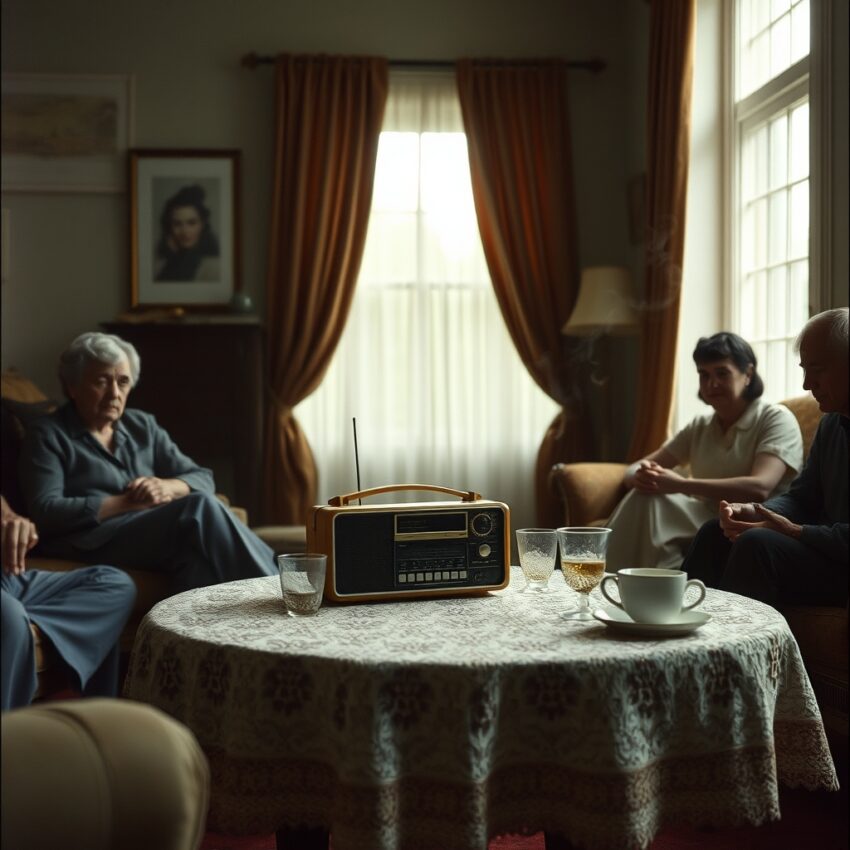
Bir zamanlar bazı akşamüstleri evin en dikkatli köşesi salon olurdu. Masanın üstünde dantel örtünün yanında duran transistörlü radyo, daha düğmesi çevrilmeden önce bile aileyi çevresine toplardı. Pencere az aralanmışsa içeri giren bahar serinliği perdeyi hafifçe oynatır, mutfaktan gelen çay buharı odanın içine ince bir sıcaklık bırakırdı. Çocuklar ses biraz daha açılsın diye yaklaşır, büyükler “cızırtı yapmasın” diyerek anteni düzeltir, herkes aynı anda hem gündelik işine devam eder hem de kulağını radyoya verirdi. O sessiz heyecan, yüksek bir coşku değil; ortak dikkatle kurulan, ev içi zamana ayrı bir ağırlık kazandıran yumuşak bir bekleyişti.
Teknoloji Mirası bakımından transistörlü radyo, yalnız taşınabilir bir cihaz değildi; sesi ev hayatının merkezine başka bir ölçüyle yerleştiren bir dönüm noktasıydı. Lambalı radyoların büyük ve ağır dünyasından sonra gelen bu daha pratik cihaz, mutfaktan balkona, salondan yazlığa kadar taşınabilen bir yakınlık yarattı. Ancak asıl unutulmayan şey teknik yeniliğin kendisinden çok, onun gündelik hayatı nasıl düzenlediğiydi. Haber saati, radyo tiyatrosu, şarkı programı ya da hafta sonu spor yayını, aile üyelerini aynı odaya çekebilen görünmez işaretlerdi. Transistörlü radyonun düğmesi çevrildiğinde evin içindeki konuşmalar bile başka bir ritme girer, herkes aynı sesi paylaştığını hissederdi.
Bu alışkanlığın hafızada kalıcı olmasının nedeni, dinleme eyleminin ev içinde küçük bir törene dönüşmesiydi. İnce belli bardaklar tepsiye dizilir, örülen yelek bir süreliğine dizlere bırakılır, gazeteyi okuyan biri başlığın ortasında durup haberi dinlemeye koyulurdu. Çocuklar duydukları kelimelerin anlamını hemen çıkaramazdı belki, ama büyüklerin yüzündeki dikkat ifadesini fark ederdi. Radyodan gelen sunucu sesi, müzik araları, kısa cızırtılar ve frekans ararken duyulan ince parazit, bugünün pürüzsüz dijital seslerinden farklı olarak dinleme anına bir maddilik katardı. Ses yalnız kulaktan geçmez, odanın içinde dolaşır, eşyalara ve insanlara değerek ortak bir atmosfer kurardı.
Baharın serin nefesinin çay buharına karıştığı anlar, bu ev içi sahnenin en unutulmaz zamanını oluştururdu. Pencereden gelen serinlik, mutfaktaki demlikten yükselen sıcaklıkla buluşur, transistörlü radyonun sesi bu iki duygu arasında ince bir köprü kurardı. Akşam henüz tam olmamış, gün ise bitmemiş olurdu; tam da bu eşikte radyo, evi toplayan merkez hâline gelirdi. O saatlerde dinlenen bir türkü, maç anlatımı ya da haber bülteni, yalnız içerik olarak değil, eşlik ettiği hava yüzünden de hafızada kaldı. Çünkü ailece dinlemek, aynı anda aynı şeye maruz kalmak değil; aynı sessizliğin içinde birlikte beklemek anlamına geliyordu. Sessiz heyecanın gücü de buradan doğuyordu.
Bugün transistörlü radyo günleri neden unutulmuyor diye düşününce, cevap yalnız teknolojik nostaljide bulunmuyor. Asıl mesele, o cihazın etrafında büyüyen dinleme terbiyesinde saklı. İnsanlar o yıllarda sesi tüketmiyor, onun etrafında bir araya geliyordu. Çay buharına karışan anlarda baharın serin nefesini taşıyan radyo yayınları, eve aynı anda hem dış dünyanın haberini hem de içeride kalmanın huzurunu getiriyordu. Bu yüzden transistörlü radyo, yalnız geçmiş bir cihaz olarak değil, aileyi sessizce aynı noktada tutabilen bir alışkanlığın simgesi olarak hatırlanıyor. O küçük kutudan yükselen ses, bugün bile birçok insanın zihninde salonun ışığını, pencerenin aralığını ve çayın ince kokusunu birlikte canlandırmaya yetiyor.
🇬🇧 English | The Days of the Transistor Radio: Why Was a Habit That Grew with the Quiet Excitement of Families Gathering in the Living Room Not Forgotten, Carrying the Cool Breath of Spring in Moments Mixed with Tea Steam
There was a time when, on certain late afternoons, the most attentive corner of the home was the living room. The transistor radio resting beside a lace cover on the table could gather the family around it even before its dial was turned. If the window stood slightly open, the cool breath of spring stirred the curtain, while steam from the tea in the kitchen left a thin warmth in the room. Children came closer asking for the volume to be raised, elders adjusted the antenna so it would not crackle, and everyone continued with daily tasks while also giving an ear to the radio. That quiet excitement was not loud enthusiasm. It was a soft anticipation built through shared attention, giving the domestic hour a weight of its own.
Seen as part of technological heritage, the transistor radio was not only a portable device. It was a turning point that placed sound at the center of home life in a different measure. After the large and heavy world of valve radios, this more practical object created a closeness that could travel from kitchen to balcony, from living room to summer house. Yet what remains unforgettable is less the technical innovation itself than the way it arranged daily life. News hour, radio theater, a song program, or a weekend sports broadcast were invisible signals that could pull family members into the same room. Once the dial of the transistor radio was turned, even conversation inside the house shifted into another rhythm, and everyone felt they were sharing the same voice.
The reason this habit stayed so firmly in memory is that listening became a small ritual inside the home. Thin-waisted tea glasses were lined up on a tray, a knitting piece was set down on someone’s lap for a while, and a person reading the newspaper would stop in the middle of a headline to listen. Children may not have grasped every word they heard, yet they noticed the expression of attention on adult faces. The announcer’s voice, the pauses between songs, the brief crackles, and the fine static heard while searching for the frequency gave the listening moment a material quality unlike today’s seamless digital sound. The sound did not merely pass through the ear; it moved through the room, touching objects and people and creating a shared atmosphere.
Those moments when the cool breath of spring mixed with tea steam formed the most unforgettable hour of this domestic scene. The coolness entering through the window met the warmth rising from the teapot, and the sound of the transistor radio built a delicate bridge between the two. Evening had not yet fully arrived, but the day was no longer whole; exactly at that threshold the radio became the center that gathered the house. A folk song, a football commentary, or a news bulletin heard at those hours remained memorable not only for its content, but for the air accompanying it. Listening together meant not simply being exposed to the same thing at once, but waiting together within the same silence. The force of that quiet excitement came from there.
When one asks why the days of the transistor radio are not forgotten, the answer lies in more than technological nostalgia. What truly matters is the discipline of listening that grew around that device. In those years people did not consume sound; they gathered around it. Radio broadcasts carrying the cool breath of spring in moments mingled with tea steam brought into the house both news of the outer world and the comfort of staying inside. That is why the transistor radio is remembered not merely as an old device, but as the sign of a habit capable of holding a family gently in the same place. Even today, the sound rising from that small box is enough to bring back the light of the living room, the half-open window, and the faint scent of tea all at once.
🇧🇷 Português (Brasil) | Os Dias do Rádio Transistorizado: Por que um Hábito que Cresceu com a Emoção Silenciosa das Famílias Reunidas na Sala Não Foi Esquecido, Levando o Sopro Fresco da Primavera nos Instantes Misturados ao Vapor do Chá
Houve um tempo em que, em certos fins de tarde, o canto mais atento da casa era a sala. O rádio transistorizado, apoiado sobre a mesa ao lado de uma toalha rendada, reunia a família ao redor mesmo antes de o botão ser girado. Se a janela estivesse um pouco aberta, o frescor da primavera mexia levemente a cortina, enquanto o vapor do chá vindo da cozinha deixava um calor discreto no ambiente. As crianças se aproximavam para pedir que aumentassem o volume, os mais velhos ajustavam a antena para evitar chiados, e todos continuavam as tarefas do dia ao mesmo tempo em que escutavam. Aquela emoção silenciosa não era euforia alta; era uma espera suave construída pela atenção compartilhada, que dava outra densidade ao tempo da casa.
Pela ótica do legado tecnológico, o rádio transistorizado não era apenas um aparelho portátil. Foi um ponto de virada que colocou o som no centro da vida doméstica de outra maneira. Depois do mundo grande e pesado dos rádios valvulados, esse objeto mais prático criou uma proximidade que podia ir da cozinha à varanda, da sala à casa de veraneio. Mas o que ficou inesquecível não foi tanto a inovação técnica em si, e sim a forma como ela organizava o cotidiano. A hora do noticiário, o radioteatro, um programa musical ou a transmissão esportiva de fim de semana eram sinais invisíveis capazes de atrair todos para o mesmo cômodo. Quando o botão do rádio era girado, até as conversas da casa entravam em outro ritmo, e todos sentiam que dividiam a mesma voz.
Essa lembrança permaneceu porque o ato de ouvir se transformava num pequeno ritual doméstico. Os copos de chá eram alinhados na bandeja, o tricô era deixado por um momento sobre o colo, e quem lia o jornal parava no meio da manchete para prestar atenção. As crianças talvez não entendessem todas as palavras, mas percebiam claramente a expressão concentrada no rosto dos adultos. A voz do locutor, os intervalos entre as músicas, os chiados curtos e o ruído fino da procura pela frequência davam ao instante de escuta uma materialidade diferente do som digital liso de hoje. O som não passava apenas pelo ouvido; ele circulava pela sala, tocando objetos e pessoas e formando uma atmosfera comum.
Os instantes em que o sopro fresco da primavera se misturava ao vapor do chá eram a hora mais inesquecível dessa cena doméstica. O ar frio entrando pela janela encontrava o calor que subia do bule, e a voz do rádio construía uma ponte delicada entre essas duas sensações. A noite ainda não tinha chegado por completo, mas o dia já não estava inteiro; justamente nesse limiar o rádio se tornava o centro que reunia a casa. Uma canção, uma narração esportiva ou um boletim ouvido nessas horas ficava marcado não apenas pelo conteúdo, mas também pelo clima que o acompanhava. Ouvir em família significava não apenas escutar a mesma coisa ao mesmo tempo, mas esperar juntos dentro do mesmo silêncio. A força dessa emoção silenciosa vinha daí.
Quando se pergunta por que os dias do rádio transistorizado não foram esquecidos, a resposta vai além da nostalgia tecnológica. O ponto principal está na disciplina de escuta que cresceu ao redor do aparelho. Naqueles anos, as pessoas não consumiam o som; elas se reuniam em torno dele. As transmissões que levavam o frescor da primavera aos instantes misturados ao vapor do chá traziam para dentro da casa, ao mesmo tempo, a notícia do mundo e o sossego de permanecer em casa. Por isso o rádio transistorizado é lembrado não apenas como um aparelho antigo, mas como o símbolo de um hábito capaz de manter a família reunida de forma silenciosa e firme. Ainda hoje, o som que saía daquela pequena caixa basta para fazer voltar à memória a luz da sala, a janela entreaberta e o leve perfume do chá.