🇹🇷 Türkçe | Antene Dokunan Ellerle Büyüyen Küçük Bir Teknoloji Umudu
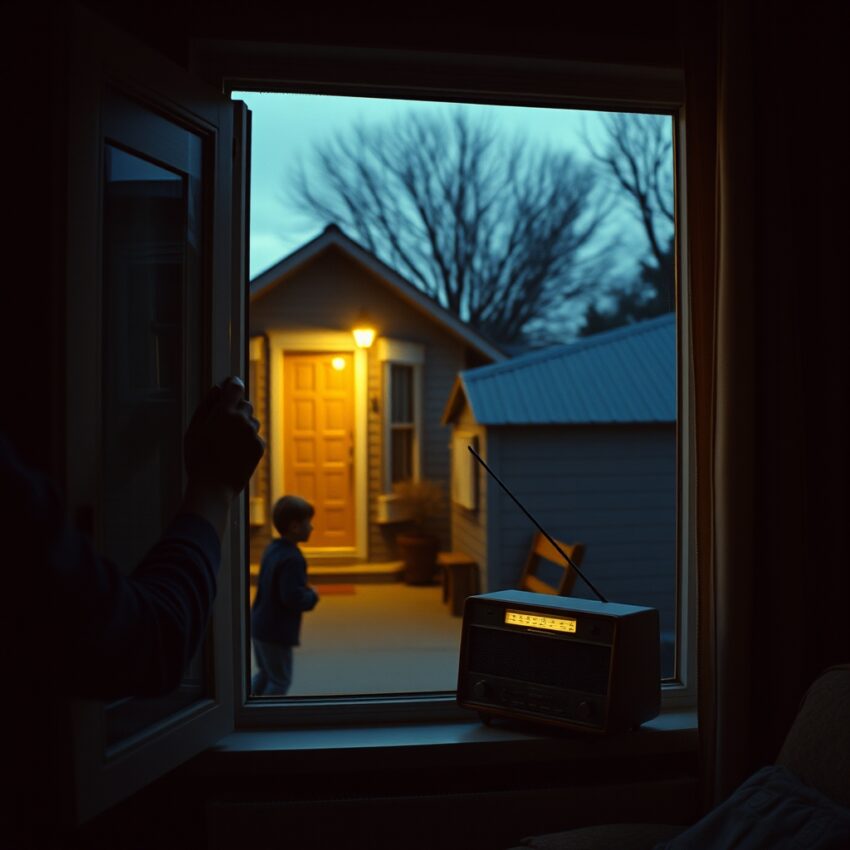
Bir zamanlar müzik ya da ses, düğmeye basıldığı anda kusursuz biçimde gelmezdi. Özellikle akşam üstüne doğru evin içinde hafif bir telaş başlardı; radyoya benzeyen o kutunun yeri düzeltilir, pencereye yakın bir sehpa seçilir, ince metal anten yavaşça yukarı kaldırılırdı. Sonra biri parmaklarını dikkatle antene ya da ayar düğmesine götürür, cızırtının arasından daha temiz bir ses yakalamaya çalışırdı. Tam o sırada evdeki herkes nefesini biraz tutar, sanki yalnız cihazın değil, günün de netleşmesini beklerdi. Müzik kutusu günleri denen o eski anlarda umut görünür değildi ama işitilebilirdi; ses berraklaştıkça akşamın havası da toparlanır, odanın içine yerleşen beklenti yerini tanıdık bir rahatlığa bırakırdı. Bu alışkanlığın unutulmaması biraz da o küçük teknik uğraşın duygusal karşılığından gelir.
Teknoloji Mirası açısından anten çevirmek yalnız bir ayar işi değil, analog dünyanın sabır talep eden diliydi. Bugünkü cihazlar gibi görünmez bir kolaylık sunmaz, insanı kendi işleyişine ortak ederdi. Cızırtı, kesilme, bir anda gelen güçlü ses ve tekrar bozulan yayın, teknolojinin kapalı bir kutu değil, birlikte idare edilen canlı bir şey olduğunu hissettirirdi. Çocuklar için o anten neredeyse büyülüydü; birkaç santim sağa ya da sola dönünce değişen ses, görünmeyen dalgaların gerçekten havada dolaştığını kanıtlardı. Büyükler içinse bu iş biraz maharet, biraz alışkanlıktı. Hangi saatte hangi pencerenin önünde ses daha iyi gelir, hangi odada lambanın yanması paraziti artırır, hangi komşunun televizyonu açılınca yayın bozulur, bütün bunlar günlük hayat bilgisine dönüşürdü. Teknoloji burada soğuk değil, evcildi.
Bu alışkanlığın çocuklukla birlikte hatırlanmasının nedeni, çoğu kez akşam sokağıyla kurduğu sessiz bağdır. Sokak lambası yandığında oyun sona ermek üzere olur, çocuk eve dönmeden önce son kez kaldırıma bakar, yukarıdaki pencereden gelen tanıdık müzik sesini duyar ya da eve girince o sesi içeride bulurdu. Antenin çevrilmesiyle netleşen yayın, günün dağınık halini toplayan bir işaret gibiydi. Belki haber saati başlayacaktı, belki sevilen bir şarkı çıkacaktı, belki ailece dinlenen bir program odanın içine yerleşecekti. O bekleyiş, sokak lambasının altında çocukluğun kıyısında durmak gibiydi; henüz bütünüyle eve kapanmamış, ama günün de yavaşça içeri alındığı bir eşik hâli. Bu yüzden müzik kutusu, yalnız ses veren bir cihaz değil, akşamla birlikte kurulan ev içi ritmin taşıyıcısıydı.
Bugünden bakınca o cızırtılı uğraşın neden unutulmadığı daha iyi anlaşılır. Çünkü mesele yalnız teknik bir zorluk değil, umudun elle tutulur hale gelmesiydi. İnsan birkaç küçük hareketle dünyaya biraz daha yaklaşabildiğini hissederdi. Ses netleşince odanın içindeki yüzler gevşer, biri çayı karıştırır, biri koltuğa yaslanır, çocuk ise sanki başarmış gibi gururlanırdı. Şimdi kusursuz bağlantılar çağında eksiksiz ses alıyoruz, ama o günlerde birkaç saniyelik netlik bile ortak bir sevinç yaratıyordu. Müzik kutusu günleri bu yüzden unutulmadı. Antene dokunan eller, aslında yalnız frekansı değil, ev içindeki umudu da ayarlıyordu; sokak lambasının altında bekleyen çocukluk da bu küçük teknik zaferleri hayat boyu saklıyordu.
🇬🇧 English | A Small Technological Hope Growing Through Hands Touching the Antenna
There was a time when music or sound did not arrive perfectly the moment a button was pressed. Toward late afternoon, a slight stir would begin inside the home. The radio-like box was moved into place, a table near the window was chosen, and the thin metal antenna was slowly raised. Then someone carefully brought fingers to the antenna or tuning dial and tried to catch a cleaner sound through the static. At that moment everyone in the room held their breath a little, as if waiting not only for the device, but for the day itself to become clearer. In those old moments we remember as music box days, hope was not visible, yet it could be heard. As the sound sharpened, the atmosphere of the evening gathered itself, and the expectancy settling in the room gave way to familiar ease. Part of the reason this habit was never forgotten lies in the emotional meaning of that small technical effort.
From the viewpoint of technological heritage, turning the antenna was never merely an adjustment. It was the language of the analog world, a world that demanded patience. It did not offer the invisible convenience of today’s devices; instead, it made people partners in its own functioning. Static, interruption, a sudden burst of strong sound, and then a fading signal again all suggested that technology was not a sealed box but a living thing to be managed together. For children, the antenna was almost magical. A sound changing when it moved only a few centimeters to the right or left proved that invisible waves were truly passing through the air. For adults, this was partly skill and partly habit. At what hour the sound was better by which window, in which room a lamp increased interference, or how a neighbor’s television could disturb reception all became forms of daily knowledge. Technology here did not feel cold; it felt domesticated.
The reason this habit is remembered together with childhood lies in the quiet connection it formed with the evening street. When the streetlamp came on, play was almost over. Before going inside, a child would cast one last glance at the pavement, hear familiar music drifting from an upstairs window, or find that same sound waiting indoors. The broadcast growing clearer as the antenna turned was like a sign that gathered the scattered parts of the day. Perhaps the news would begin, perhaps a beloved song would come on, perhaps a program listened to as a family would settle into the room. That waiting felt like standing at the edge of childhood under a streetlamp, not yet fully enclosed by the house, yet already drawing the day inside. For this reason, the music box was more than a device producing sound; it carried the domestic rhythm established with evening itself.
Looking back now, it is easier to see why that static-filled effort was never forgotten. The matter was not simply technical difficulty, but hope made tangible. With a few small movements, people felt they could bring the world a little closer. Once the sound cleared, the faces in the room softened. Someone stirred tea, someone leaned back into a chair, and a child felt proud as if a success had been won. Today, in an age of flawless connections, we receive perfect sound, yet in those days even a few seconds of clarity created a shared joy. That is why the days of the music box endure. The hands touching the antenna were not merely tuning a frequency; they were also adjusting hope inside the home, and the childhood waiting beneath the streetlamp kept those small technical victories for a lifetime.
🇧🇷 Português (Brasil) | Uma Pequena Esperança Tecnológica Crescendo nas Mãos que Tocavam a Antena
Houve um tempo em que a música ou a voz não chegavam de forma perfeita no instante em que se apertava um botão. Perto do fim da tarde, começava um leve movimento dentro de casa. Aquele aparelho parecido com rádio era colocado no lugar certo, escolhia-se uma mesinha perto da janela e a antena fina de metal era levantada com cuidado. Depois, alguém levava os dedos até a antena ou até o botão de sintonia e tentava encontrar um som mais limpo no meio do chiado. Nesse momento, todos no cômodo prendiam um pouco a respiração, como se esperassem não apenas o aparelho se acertar, mas também o próprio dia ganhar nitidez. Naqueles antigos momentos que se transformaram em dias de caixa de música, a esperança não era visível, mas podia ser ouvida. À medida que o som ficava claro, o clima da noite também se acomodava, e a expectativa espalhada no quarto dava lugar a um sossego conhecido. É por isso que esse hábito não foi esquecido: aquele pequeno esforço técnico tinha um forte equivalente emocional.
Do ponto de vista do legado tecnológico, girar a antena não era apenas um ajuste, mas a linguagem paciente do mundo analógico. Diferente dos aparelhos de hoje, não oferecia uma facilidade invisível; fazia a pessoa participar do próprio funcionamento da máquina. O chiado, a falha, o som que surgia forte por um instante e depois voltava a oscilar mostravam que a tecnologia não era uma caixa fechada, mas algo vivo, administrado em conjunto. Para as crianças, a antena tinha quase um poder mágico. Ver o som mudar alguns centímetros para um lado ou para o outro provava que ondas invisíveis realmente atravessavam o ar. Para os adultos, isso era um pouco habilidade e um pouco costume. Em que janela o som ficava melhor, em qual cômodo a lâmpada aumentava a interferência, ou como a televisão do vizinho podia atrapalhar a sintonia viravam conhecimentos do cotidiano. A tecnologia, ali, não era fria; era doméstica.
O motivo de esse hábito vir tão ligado à infância está na relação silenciosa que ele criava com a rua ao anoitecer. Quando o poste acendia, a brincadeira estava quase acabando. Antes de entrar, a criança ainda olhava para a calçada uma última vez, ouvia a música conhecida descendo da janela ou a encontrava já dentro de casa. A transmissão ficando mais nítida com o giro da antena funcionava como um sinal que recolhia o dia espalhado. Talvez fosse começar o noticiário, talvez tocasse uma canção querida, talvez um programa ouvido em família ocupasse o cômodo. Essa espera parecia estar na beira da infância sob a luz do poste: ainda não totalmente recolhido pela casa, mas já trazendo o dia para dentro. Por isso, a caixa de música era mais do que um aparelho que emitia som; ela carregava o ritmo doméstico montado junto com a noite.
Hoje, olhando para trás, entende-se melhor por que aquele esforço cheio de chiado não desapareceu da memória. Não se tratava apenas de uma dificuldade técnica, mas de uma esperança tornada concreta. Com poucos movimentos, as pessoas sentiam que podiam se aproximar um pouco mais do mundo. Quando o som se firmava, os rostos na sala relaxavam. Alguém mexia o chá, alguém se acomodava melhor na cadeira, e a criança se orgulhava como se tivesse vencido algo importante. Hoje recebemos áudio perfeito, mas naqueles dias alguns segundos de clareza já criavam uma alegria compartilhada. É por isso que os dias da caixa de música continuam vivos. As mãos tocando a antena não ajustavam apenas a frequência; ajustavam também a esperança dentro de casa, e a infância esperando sob o poste guardou essas pequenas vitórias técnicas por toda a vida.