🇹🇷 Türkçe | Mutfağın Sessiz Köşesinden Çıkan Parlak Bir Hatıra
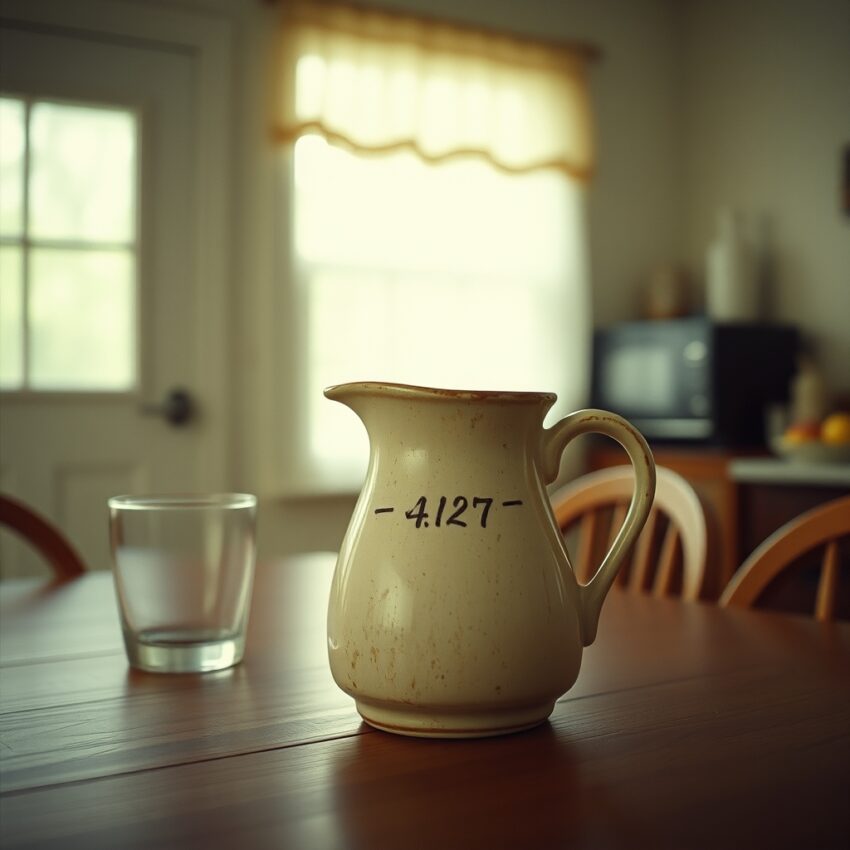
Bir zamanlar evde en çok kullanılan eşyalar, en az konuşulanlardı. Seramik sürahi de tam böyle bir nesneydi. Masanın başköşesine kurulmaz, çoğu zaman gösterişle sergilenmezdi; ama suyu serin tutar, ayranı taşır, bazen limonatayı sofraya getirir, bazen de mutfağın bir köşesinde gün boyu el altında beklerdi. Gündelik kullanımın içinde görünmeden bıraktığı iz tam da bu yüzden derindir. İnsan çocukken bir objeye dikkat etmeyebilir; ama yıllar sonra benzer bir sürahiyi gördüğünde bütün bir mutfak hafızası bir anda aydınlanır. Kenarındaki ince çatlak, kulbundaki aşınma, sır yüzeyinin yer yer matlaşıp yer yer ışık alması, bir evin tekrar eden hareketlerini saklayan küçük işaretlere dönüşür. Nostalji meraklılarının gözünde seramik sürahinin hemen parlaması, onun yalnız güzel olmasından değil, yaşanmış bir zamanı sessizce taşımasındandır.
Obje Hikayeleri içinde seramik sürahinin ayrı bir yeri vardır; çünkü o, tasarım ile kullanımın birbirinden kopmadığı dönemlerin tanığıdır. Elde tutulunca ne çok hafif ne çok ağır gelen gövdesi, dudaktan taşmadan akacak biçimde düşünülmüş ağzı ve çoğu zaman el boyaması ya da sade renkli yüzeyi, estetikle işlevin aynı masada buluştuğunu gösterir. Fakat bu nesneyi değerli yapan esas şey, gündelik tekrarların onda bıraktığı görünmez ciladır. Yazın içine konan kuyu suyu, sofraya yetişsin diye aceleyle taşınan ayran, misafir gelince daha özenle doldurulan komposto, hepsi sürahinin hafızasında birikir. O, vitrinde duran koleksiyon objesi değilken bile, yıllar içinde koleksiyon değeri kazanacak kadar karakter toplar. Çünkü kullanım, bazı nesneleri eskiltmez; onlara anlam kazandırır.
Seramik sürahinin bugüne taşınan çekiciliği biraz da ev içi ritimleri görünür kılmasındandır. Sabah kahvaltısında masaya konan su, öğle sıcağında mutfak tezgâhında bekleyen serinlik, akşam yemeğinde herkesin önündeki bardağa eşitçe pay edilen içecek, bütün bunlar bir sürahinin etrafında kurulan küçük düzenlerdir. Evde kimsenin üzerine uzun uzun düşünmediği bu nesne, aslında aile içi alışkanlıkların en sessiz düzenleyicilerinden biridir. Çocuk biri ondan su dökmeyi öğrenir, büyük biri misafire bardağı sürahiyle tamamlar, mutfağın akışı onun elden ele geçişinde görünür olur. Sonradan antikacı rafında ya da bir fotoğraf karesinde karşımıza çıktığında bizi etkileyen şey tam da budur: sıradanlığın içinde saklı zarafet. Seramik sürahi, gündelik hayatın estetikten yoksun olmadığını hatırlatan alçakgönüllü bir kanıttır.
Bugün nostalji meraklılarının bir seramik sürahiye bakınca hemen etkilenmesi tesadüf değildir. Modern yaşam, kullanım eşyalarını çoğu kez birbirine benzer ve hafızasız nesnelere dönüştürdü. Oysa eski bir sürahiye bakınca insan yalnız form görmez; sofra düzeni, mutfak ışığı, yaz serinliği ve el emeği de görür. Üzerindeki küçük kusurlar onu eksiltmez, tam tersine geçmiş bir ev hayatının tanıklığına dönüştürür. Belki bu yüzden seramik sürahiler bugün yeniden parlıyor. Onlar bize, gündelik kullanımın içinde görünmeden iz bırakan şeylerin aslında en kalıcı estetik mirası oluşturduğunu söylüyor. Bir mutfak köşesinde sessizce bekleyen bu nesne, hatırlayan göz için bir anda ışık alıyor; çünkü içinde yalnız su değil, yılların alışkanlıkla biriktirdiği ev sıcaklığı duruyor.
🇬🇧 English | A Bright Memory Emerging from a Quiet Corner of the Kitchen
There was a time when the most frequently used objects in a home were also the least discussed. The ceramic pitcher was exactly such an object. It did not sit at the ceremonial center of the table, nor was it usually displayed with pride, yet it kept water cool, carried ayran, brought lemonade to the meal, and waited within reach in a corner of the kitchen throughout the day. The trace it left unseen within everyday use is deep for precisely that reason. A child may not notice such an object at the time, yet years later, at the sight of a similar pitcher, an entire kitchen memory suddenly lights up. A fine crack at the rim, wear along the handle, the glazed surface turning matte in one place and reflective in another become small signs preserving the repeated movements of a household. The reason a ceramic pitcher shines at once in the eyes of nostalgia lovers is not only that it is beautiful, but that it quietly carries lived time.
Within the stories of objects, the ceramic pitcher holds a special place because it belongs to a period when design and use were not separated from one another. A body that felt neither too light nor too heavy in the hand, a lip shaped to pour without spilling, and a surface often painted by hand or kept in a restrained color all show how beauty and utility once met at the same table. Yet what truly gives the object value is the invisible polish left on it by repeated use. Well water poured in during summer, ayran carried quickly to the table, compote served more carefully when guests arrived, all of this gathers inside the memory of the pitcher. Even when it was not yet a collectible kept in a cabinet, it slowly gathered enough character to become one. Use does not always wear objects down; sometimes it grants them meaning.
The enduring appeal of the ceramic pitcher also comes from the way it makes domestic rhythms visible. Water placed on the breakfast table, coolness waiting on the kitchen counter at noon, and a drink shared evenly into everyone’s glass at dinner are all small orders arranged around a single vessel. No one in the house spent long thinking about it, yet it quietly organized habits within the family. A child learned to pour water from it, an elder used it to complete a guest’s glass, and the movement of the kitchen revealed itself as it passed from hand to hand. When such a pitcher later appears on an antique shelf or in an old photograph, what moves us is exactly that: elegance hidden inside ordinariness. The ceramic pitcher is a modest proof that daily life was never devoid of aesthetic grace.
It is therefore no accident that nostalgia lovers are immediately struck by a ceramic pitcher today. Modern life has often turned practical objects into similar, memoryless things. Yet when one looks at an old pitcher, one sees more than form. One sees table order, kitchen light, summer coolness, and handcraft. The small imperfections do not diminish it; they transform it into a witness to an earlier domestic life. Perhaps that is why ceramic pitchers glow again now. They tell us that the things leaving traces unnoticed in daily use may in fact constitute the most lasting aesthetic heritage. Waiting quietly in a kitchen corner, such an object suddenly catches the light for a remembering eye, because within it there once rested not only water, but the warmth of a home accumulated through years of habit.
🇧🇷 Português (Brasil) | Uma Lembrança Brilhante Saindo de um Canto Silencioso da Cozinha
Houve um tempo em que os objetos mais usados da casa eram também os menos comentados. A jarra de cerâmica era exatamente um desses objetos. Não ocupava o lugar de destaque na mesa nem costumava ser exibida com solenidade, mas mantinha a água fresca, levava o ayran, trazia a limonada para a refeição e passava o dia esperando num canto acessível da cozinha. O vestígio que ela deixou sem ser notado no uso cotidiano é profundo justamente por isso. Quando criança, a pessoa talvez nem percebesse o objeto, mas anos depois, ao ver uma jarra parecida, toda uma memória de cozinha se ilumina de repente. Uma pequena rachadura na borda, o desgaste da alça, o esmalte brilhando num ponto e ficando opaco em outro se transformam em sinais discretos dos movimentos repetidos dentro da casa. A razão de a jarra de cerâmica brilhar de imediato aos olhos dos amantes da nostalgia não é apenas sua beleza, mas o fato de carregar silenciosamente um tempo vivido.
Nas histórias dos objetos, a jarra de cerâmica ocupa um lugar especial porque pertence a um período em que desenho e uso não estavam separados. O corpo que na mão não parece leve demais nem pesado demais, o bico pensado para servir sem derramar e a superfície muitas vezes pintada à mão ou mantida em cores sóbrias mostram como beleza e função já estiveram sentadas à mesma mesa. Mas o que realmente dá valor a essa peça é o brilho invisível deixado pelo uso repetido. A água fresca colocada no verão, o ayran levado depressa à mesa, a compota servida com mais cuidado quando chegavam visitas, tudo isso se acumula na memória da jarra. Mesmo quando ainda não era uma peça de coleção, ela reunia aos poucos o caráter suficiente para se tornar uma. O uso nem sempre desgasta os objetos; às vezes lhes dá sentido.
A força que essa jarra ainda exerce hoje também vem do modo como ela torna visíveis os ritmos da vida doméstica. A água colocada na mesa do café da manhã, o frescor esperando sobre a bancada na hora do calor, a bebida repartida igualmente nos copos durante o jantar, tudo isso são pequenas ordens organizadas ao redor de um mesmo recipiente. Ninguém em casa pensava longamente nela, mas, ainda assim, ela organizava silenciosamente os hábitos da família. Uma criança aprendia a servir água com ela, um adulto completava o copo do visitante usando sua alça, e o movimento da cozinha aparecia em sua passagem de mão em mão. Quando depois ela surge numa prateleira de antiquário ou numa fotografia antiga, o que nos comove é exatamente isso: a elegância escondida dentro do ordinário. A jarra de cerâmica é uma prova humilde de que o cotidiano nunca foi desprovido de graça estética.
Não é por acaso, portanto, que os apaixonados pela nostalgia se encantem imediatamente com uma jarra de cerâmica. A vida moderna transformou muitos utensílios de uso em objetos parecidos entre si e sem memória. Já uma jarra antiga mostra mais do que forma. Ela revela a ordem da mesa, a luz da cozinha, o frescor do verão e o trabalho manual. Suas pequenas imperfeições não a diminuem; ao contrário, fazem dela testemunha de uma vida doméstica passada. Talvez seja por isso que as jarras de cerâmica brilhem novamente hoje. Elas nos dizem que aquilo que deixou marcas sem chamar atenção no uso cotidiano pode formar o legado estético mais duradouro. Esperando em silêncio num canto da cozinha, esse objeto volta a receber luz de repente para quem sabe lembrar, porque dentro dele não havia apenas água, mas o calor de uma casa acumulado durante anos de costume.